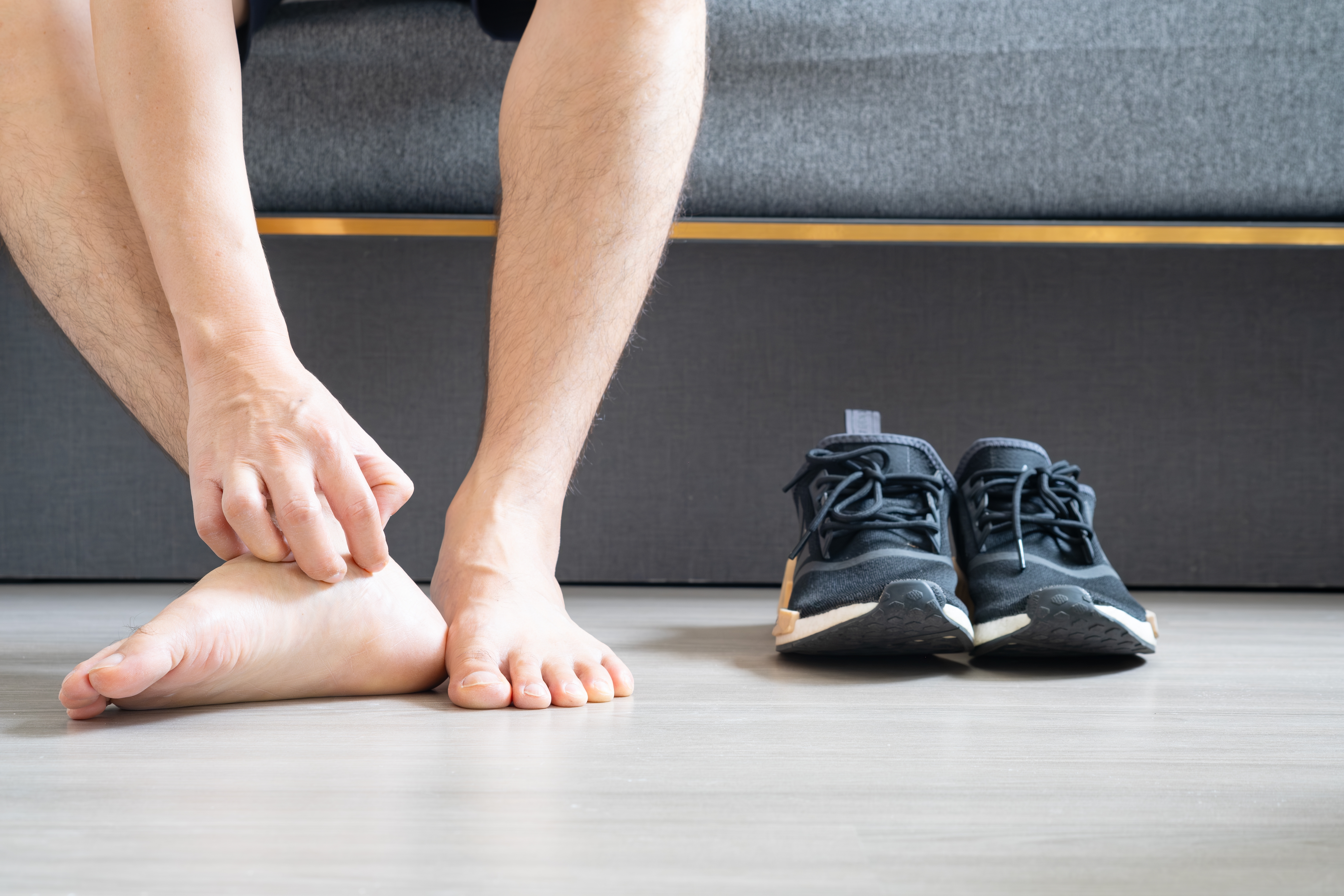

That uncomfortable sensation of your shoes feeling increasingly tight during a long day on your feet isn’t just in your head—it’s your body sending a clear signal that your footwear is fighting against natural physiological changes.
Key Points
- Foot swelling during prolonged standing or walking is a normal response to gravity and increased blood flow
- Shoes that feel perfect in the morning can become painfully tight as feet naturally expand throughout the day
- Proper shoe sizing requires accounting for daily foot swelling by choosing half a size larger or wider widths
- Persistent or severe swelling that doesn’t resolve with rest may indicate underlying health conditions requiring medical attention
The Science Behind Daily Foot Expansion
Your feet undergo predictable changes throughout the day that most people never consider when buying shoes. Dr. Jeffrey Fleming, a sports medicine physician at UPMC, explains that foot swelling during prolonged activity represents a normal physiological response. Gravity pulls fluids downward into your lower extremities, while increased blood flow from walking or standing compounds the effect, causing noticeable expansion in foot width and length.
This natural swelling affects different people to varying degrees, influenced by factors including age, circulation health, weather conditions, and activity level. Heat and humidity exacerbate the problem, which explains why summer walks feel more uncomfortable than winter strolls. The expansion isn’t uniform—feet typically swell more in width than length, creating pressure points that poorly fitted shoes amplify into genuine discomfort.
Recognizing the Warning Signs of Poor Fit
The telltale sensation begins subtly but escalates quickly when shoes can’t accommodate natural foot expansion. Initial symptoms include a general feeling of tightness across the forefoot, followed by pressure points along the sides of your feet. As swelling progresses, you might experience numbness in your toes, hot spots that develop into blisters, or an overwhelming urge to remove your shoes immediately.
Liz Pagonis, a footwear specialist at Philadelphia Runner, observes that many customers describe their shoes as “shrinking” during the day. This perceived shrinkage actually reflects their feet expanding beyond their footwear’s capacity. The sensation becomes particularly pronounced during activities like shopping, hiking, or extended periods of standing at work, when gravity has maximum opportunity to pool fluids in your feet.
Strategic Solutions for Comfortable Footwear
The most effective solution involves rethinking your approach to shoe sizing entirely. Rather than focusing solely on morning fit, consider how your feet will feel after hours of use. Experts recommend sizing up by half a size or choosing wider widths to accommodate natural expansion. This proactive approach prevents the cascade of discomfort that occurs when shoes become too restrictive.
Compression socks offer additional support by promoting better circulation and reducing fluid accumulation. However, they’re not universally effective for all foot pain types and work best when combined with properly sized footwear rather than as a standalone solution. The key lies in addressing the root cause—inadequate space for natural foot changes—rather than merely managing symptoms.
When Swelling Signals Serious Problems
While daily foot swelling is typically benign, certain warning signs demand medical attention. Persistent swelling that doesn’t resolve with rest, elevation, or proper footwear may indicate circulation problems, heart conditions, or other underlying health issues. Similarly, swelling accompanied by color changes, severe pain, or skin temperature variations warrants prompt medical evaluation.
The distinction between normal activity-related swelling and pathological edema often comes down to timing and severity. Normal swelling develops gradually throughout the day and resolves with rest, while problematic swelling may appear suddenly, persist overnight, or worsen progressively. Understanding these differences helps you make informed decisions about when self-care measures suffice and when professional medical assessment becomes necessary.