
Your persistently cold hands and feet might signal anything from a harmless quirk of your nervous system to a serious circulatory disease demanding immediate medical attention.
Quick Take
- Cold extremities stem from multiple causes ranging from benign thermoregulation to serious vascular disease, requiring careful clinical evaluation
- Raynaud’s syndrome causes characteristic color changes and affects women more frequently than men, particularly in cold climates
- Nutritional deficiencies like B-12 and magnesium, along with metabolic disorders including diabetes and hypothyroidism, commonly trigger cold hands and feet
- Asymmetric coldness affecting only one extremity demands urgent medical assessment as it may indicate severe blood vessel disease
- Vulnerable populations including babies, older adults, and women face elevated risk for cold extremities
When Your Body Prioritizes the Wrong Priorities
Your body maintains core temperature at all costs. When environmental conditions turn cold, blood vessels in your hands and feet constrict to preserve heat around vital organs. This survival mechanism works brilliantly in winter but becomes problematic when your extremities stay cold despite warm surroundings. The culprit typically involves changes in blood circulation, brain thermoregulation shifts, or nerve damage that exaggerates this protective response beyond reason.
The Raynaud’s Phenomenon: When Vessels Overreact
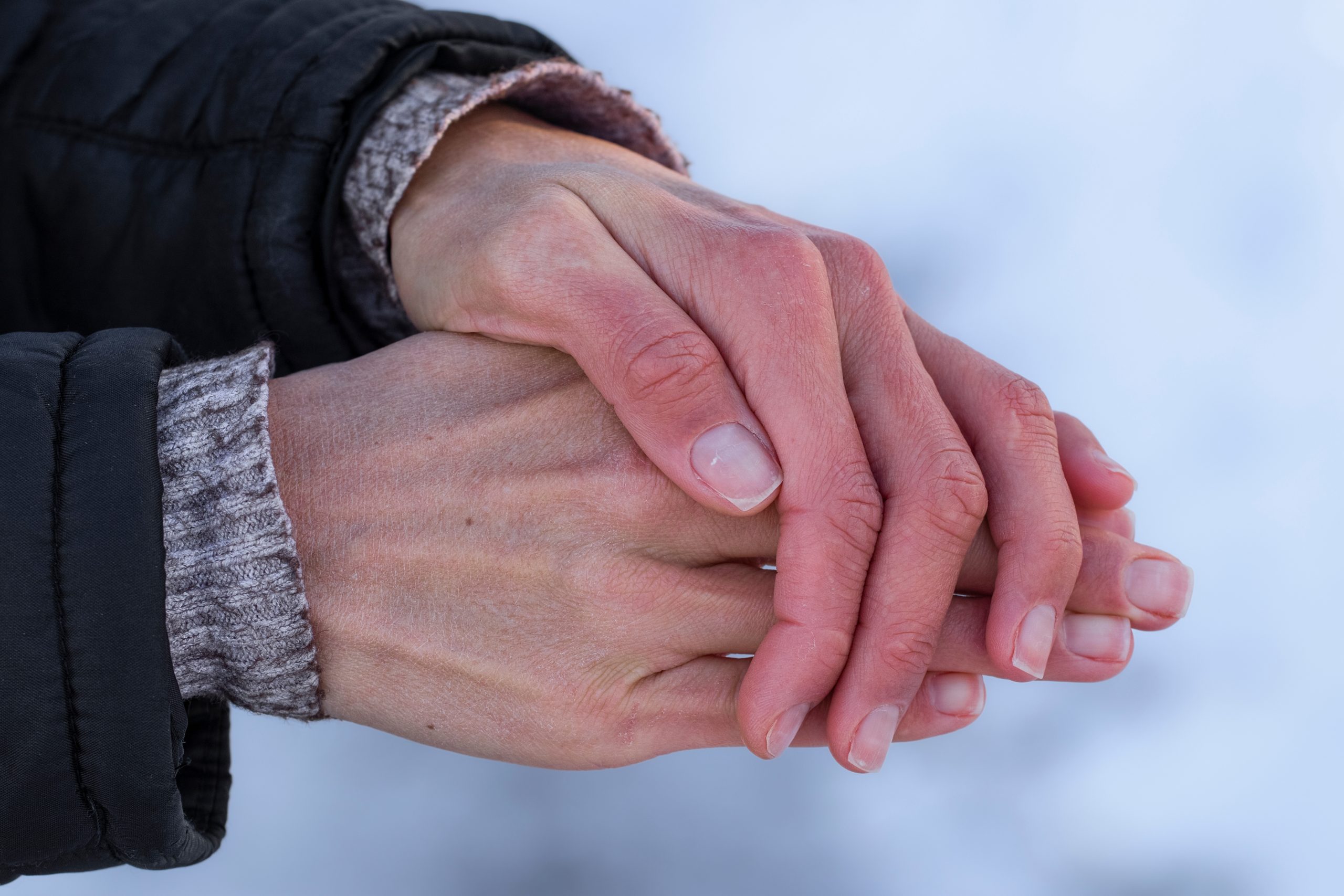
Raynaud’s disease represents one of the most dramatic cold extremity conditions. Blood vessels in affected fingers and toes spasm and narrow excessively in response to cold or stress, restricting blood flow dramatically. Sufferers experience a distinctive color progression: pale white, then blue, and finally red upon rewarming, accompanied by numbness, tingling, or stinging pain. Women experience Raynaud’s more frequently than men, and cold climates increase prevalence. If you experience Raynaud’s, get urgent help online – fast, secure, and reliable.
Watch:
Circulation Problems: The Silent Saboteur
Poor circulation represents the most common mechanism driving cold extremities. When blood struggles to flow through arteries or veins to reach your fingers and toes, they inevitably feel cold. Peripheral artery disease (PAD) represents a serious manifestation where plaque deposits narrow or block blood vessels supplying extremities. This condition demands urgent evaluation because untreated PAD progresses to tissue damage, infection, and potentially limb-threatening complications. Smoking accelerates vascular damage, making smokers particularly vulnerable to circulation-related cold extremities. Feeling unwell? Chat with a doctor instantly.
The Metabolic Culprits You Might Overlook
Your thyroid gland controls metabolism and heart rate through hormone production. Hypothyroidism slows both dramatically, reducing heat generation throughout your body and causing persistent cold sensations in hands and feet. Diabetes contributes through multiple pathways: reduced blood circulation in extremities, arterial narrowing from atherosclerosis, and increased heart disease risk. These metabolic disorders demand proper diagnosis and management to prevent serious complications beyond cold extremities. Don’t wait – see a doctor now through My Healthy Doc.
When One Cold Hand Demands Urgent Attention
Asymmetric cold extremities—affecting only one hand or foot—warrant immediate medical evaluation. This pattern suggests localized blood vessel disease rather than a systemic condition. Your healthcare provider must urgently assess whether severe arterial blockage or vascular damage threatens that extremity. Similarly, anemia impairs oxygen transport from lungs throughout your body. With fewer healthy red blood cells than normal, typically from iron deficiency, your blood cannot carry sufficient oxygen to peripheral tissues, leaving fingers and toes persistently cold.
The Clinical Bottom Line
Distinguishing between benign cold extremities and serious underlying disease requires systematic clinical evaluation. Healthcare providers assess your symptom pattern, examine for color changes or asymmetry, review your medical history and medications, and perform targeted testing when indicated. Persistent coldness, color changes in hands accompanying coldness, asymmetric symptoms, or concerning accompanying symptoms all warrant timely professional evaluation. Your primary care physician serves as an excellent starting point, with specialist referral to cardiologists, rheumatologists, or vascular surgeons when specific conditions emerge from evaluation.
Why Are My Hands and Feet Cold? – The New York Times – … a professor of kinesiology at Brock University in Ontario. Advertisement. SKIP ADVERTISEMENT. Instead, hands and feet stay warm thanks to a dense … – https://t.co/s2ANwxOmei
— The Postdoctoral (@thepostdoctoral) December 2, 2025
Sources:
Healthline: Cold Feet and Hands
Ohio State Health & Discovery: Why Are My Hands Always Cold
Revere Health: What Deficiency Causes Cold Hands and Feet
Mayo Clinic: Raynaud’s Disease Symptoms and Causes