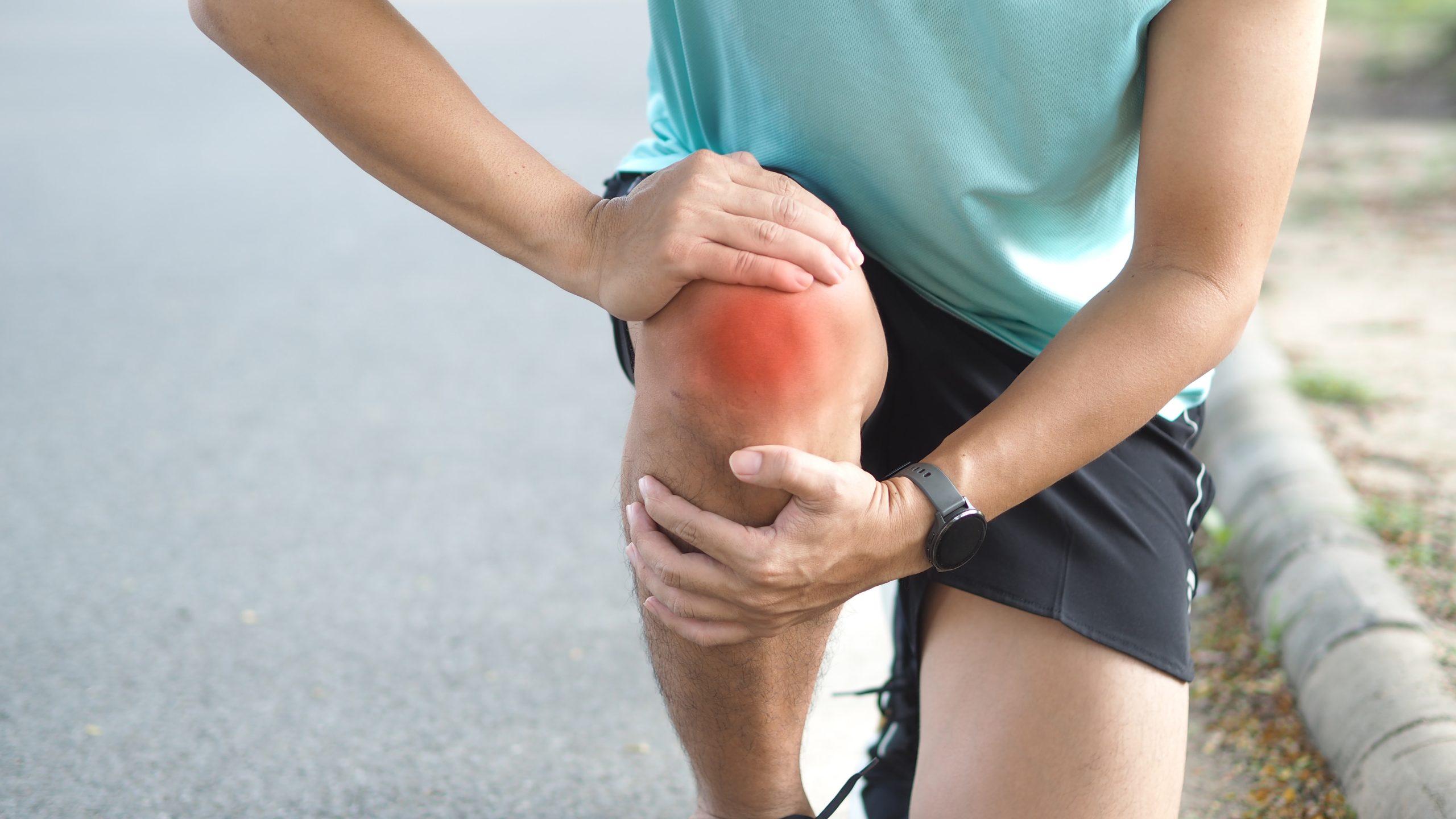

Women athletes face knee injuries at alarming rates, but what’s fueling this disparity and how can it be mitigated?
Story Highlights
- Women are 2-8 times more likely to suffer ACL injuries than men.
- Biological, biomechanical, hormonal, and social factors all contribute.
- Despite existing prevention programs, adoption remains low.
- Recent studies highlight the need for a multifaceted approach.
Knee Injury Disparity
Women athletes, particularly in sports like soccer and basketball, experience knee injuries—especially ACL tears—at significantly higher rates than men. This disparity, identified in the late 20th century, has since been scrutinized through various lenses, including anatomical differences and hormonal fluctuations. However, recent research emphasizes the critical role of social factors like team resources and training intensity, presenting a more complex picture than previously assumed.
Studies suggest that anatomical factors such as wider hips and thinner ACLs predispose women to higher injury risks. Hormones like estrogen may influence ligament laxity, but evidence remains mixed. The way female athletes land and rely on their quadriceps can also exacerbate stress on their ACLs. Despite these findings, the persistence of high injury rates calls for a deeper examination of the socio-environmental factors at play.
Watch: Why Knee Injuries are More Common in Women | Women in Motion Series (HSS)
Historical Context
The recognition of increased ACL injuries among women coincided with the rise in female sports participation post-Title IX in the United States. As more women entered competitive sports, researchers began accumulating injury data, leading to the development of injury prevention programs (IPPs) designed to mitigate these risks. Despite these efforts, the gender disparity in injury rates remains, prompting questions about the effectiveness and real-world implementation of these programs.
In high-impact sports like basketball and soccer, female athletes face the greatest relative risks. Historical data from collegiate and professional leagues have highlighted repeated incidents of ACL injuries among elite female athletes, emphasizing the need for more effective interventions. Yet, the gap between scientific knowledge and practical application persists, driven by factors such as lack of resources and awareness.
Current Developments
Recent meta-analyses confirm that ACL injury rates for women are two to eight times higher than for men, depending on the sport. These studies also underscore the importance of social determinants, such as team size and resource allocation, in contributing to injury risk. Despite the proven efficacy of injury prevention programs, their adoption remains inconsistent across different levels of women’s sports.
The Harvard GenderSci Lab and other leading research groups emphasize the need to consider social factors alongside biological ones. Sports medicine experts advocate for broader implementation of these programs and more equitable distribution of resources to ensure female athletes receive the support they need. However, systemic change in training and resource allocation remains limited.
Sources: