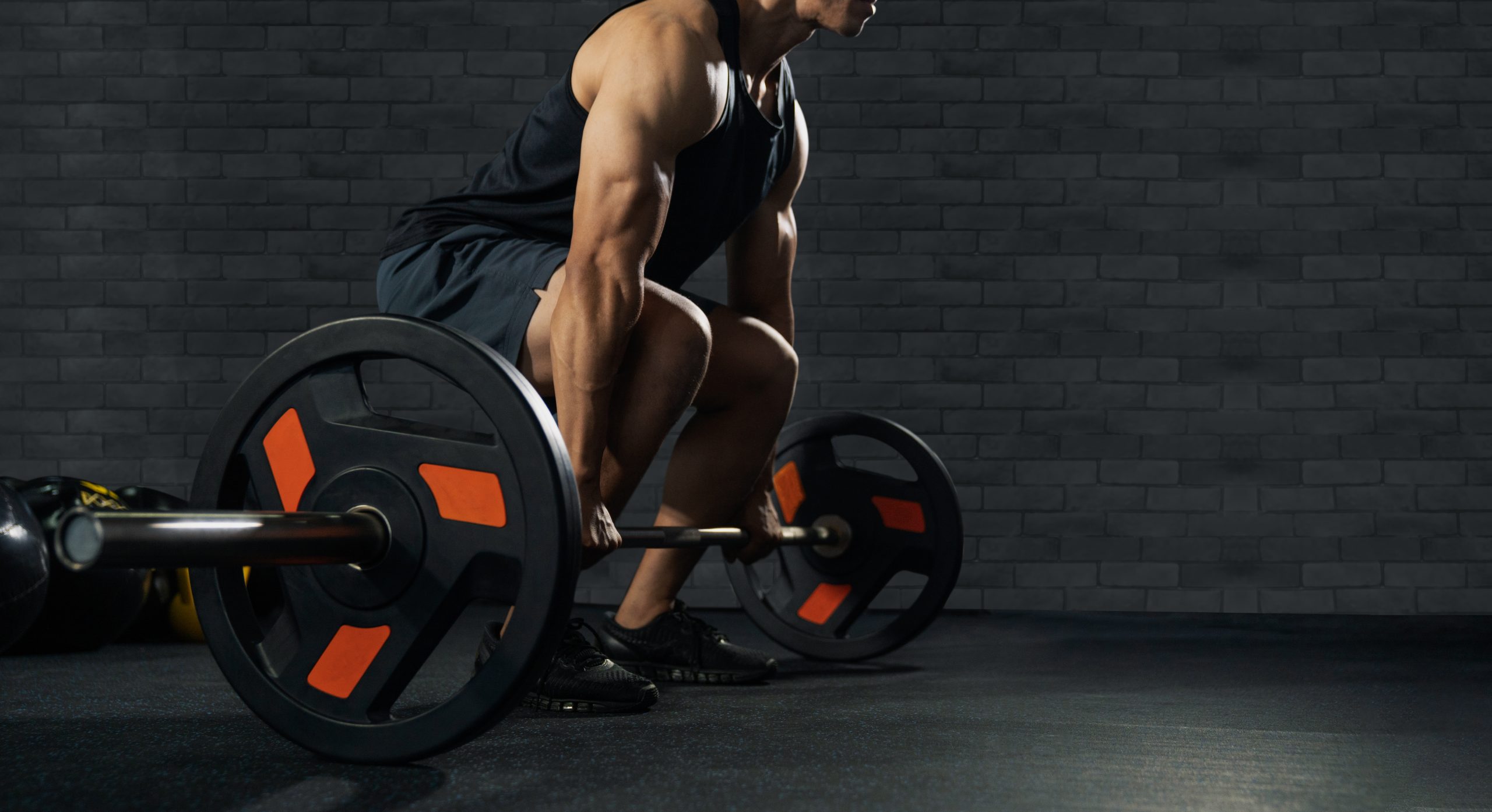

Compound exercises have quietly rewritten the rules of fitness, making the old isolation-versus-compound debate seem like ancient history and leaving anyone still stuck on bicep curls at the margins of modern strength and health.
Story Snapshot
- Compound exercises work multiple muscle groups and joints at once, maximizing time and efficiency.
- They have deep roots in strength training but are more relevant than ever thanks to science and the digital fitness boom.
- Trainers, researchers, brands, and everyday people are driving a movement toward functional, evidence-based workouts.
- Adoption of compound lifts is transforming not just workouts, but public health recommendations and fitness industry economics.
Compound Exercises: The Power Moves That Built—and Now Define—Modern Fitness
Squats, deadlifts, and presses—the same movements that built the hulking icons of early-20th-century physical culture—are now at the heart of mainstream fitness, from CrossFit boxes to hospital rehab wards. Compound exercises, defined by their multi-joint, multi-muscle-group action, have become the go-to solution for anyone who wants results without wasting time. This is not just a trend; it is the logical outcome of a century of trial, error, and scientific validation. The fitness world’s obsession with efficiency, functional strength, and sustainable results has made compound movements indispensable.
Modern fitness is a battlefield for attention and innovation. The old debate—should you spend your gym time on single-joint isolation or multi-joint compound exercises—has been settled in practice, if not always in theory. In the 1970s through the 1990s, bodybuilding and athletic training programs featured compound lifts as the bedrock of strength, but it was the rise of functional training and CrossFit in the early 2000s that made them part of the general population’s vocabulary. Today, apps, smart gyms, and online trainers are spreading the message: move more muscles at once, get more done, and build a body that works in the real world, not just in a mirror.
Why Compound Exercises Win: Science, Simplicity, and Serious Results
Compound exercises deliver proven muscle growth, greater calorie burn, and superior hormonal responses compared to their isolation cousins. Movements like squats, pull-ups, and bench presses don’t just sculpt muscle—they trigger surges in testosterone and growth hormone, fueling metabolism and accelerating gains. This efficiency is not just about aesthetics; it’s about building the kind of strength and mobility that translates to everyday life. Functional benefits include improved stability, joint health, and injury resilience. Certification bodies like NASM and ACSM, along with top trainers and sports scientists, now advocate for compound movements as the foundation of any serious fitness regimen, with isolation work reserved for targeted rehab or advanced symmetry goals.
Compound lifts’ versatility also changed the economics of fitness. Equipment manufacturers, gyms, and digital platforms are all racing to provide smarter solutions that revolve around these time-tested movements. The result: a more accessible, democratized fitness landscape where a barbell or a resistance band can replace racks of machines. This shift is not just market-driven—it’s evidence-based, with peer-reviewed research repeatedly confirming the metabolic, hormonal, and injury-preventing benefits of multi-joint training.
The Industry’s New Gold Standard: Who Sets the Pace and Who Benefits
Fitness professionals, academic researchers, and end-users each have a stake in the rise of compound exercises. Trainers and coaches embrace them for their efficiency and real-world results. Sports scientists and exercise physiologists dissect their effects in labs, producing studies that reinforce what old-school lifters always suspected: compound lifts are the most bang for your buck. Certification bodies shape standards, while fitness brands and gyms compete to make compound training more accessible, from group classes to at-home apps. The general public benefits the most, gaining access to routines that offer practical strength, improved metabolic health, and even better cardiovascular outcomes.
Decision-makers in the fitness industry—leading trainers, credentialing organizations, and influential sports scientists—are driving a wholesale shift in how people train. Their message is clear: for most people, compound movements should be the focus, with isolation exercises playing a supporting role. The data is so consistent that even public health bodies are now updating activity guidelines to emphasize multi-joint movement, mobility, and functional strength over isolated muscle development.
Looking Ahead: How Compound Lifts Will Shape the Next Era of Fitness
Compound exercises are not just a passing phase—they are the backbone of current and future training methods. New research focuses on optimizing programming, preventing injuries, and maximizing hormonal benefits. Digital fitness platforms are integrating these movements into every program and class, making them more accessible than ever. The next wave of innovation will likely come from improved instruction, smarter equipment, and AI-driven personalization, but the fundamental principle will not change: multi-joint movements build better, more resilient bodies.
The adoption of compound lifts is influencing economic, social, and even political spheres. Equipment sales are up, certification programs are evolving, and public health agencies are rethinking exercise guidelines. Socially, more people—especially those over 40—are reaping the mobility and metabolic benefits, challenging outdated ideas about aging and physical decline. The only open question: how long will it take for isolation-obsessed holdouts to catch up? If you’re still spending your gym time on endless curls and crunches, the evidence suggests it’s time to join the compound revolution—or risk being left behind.