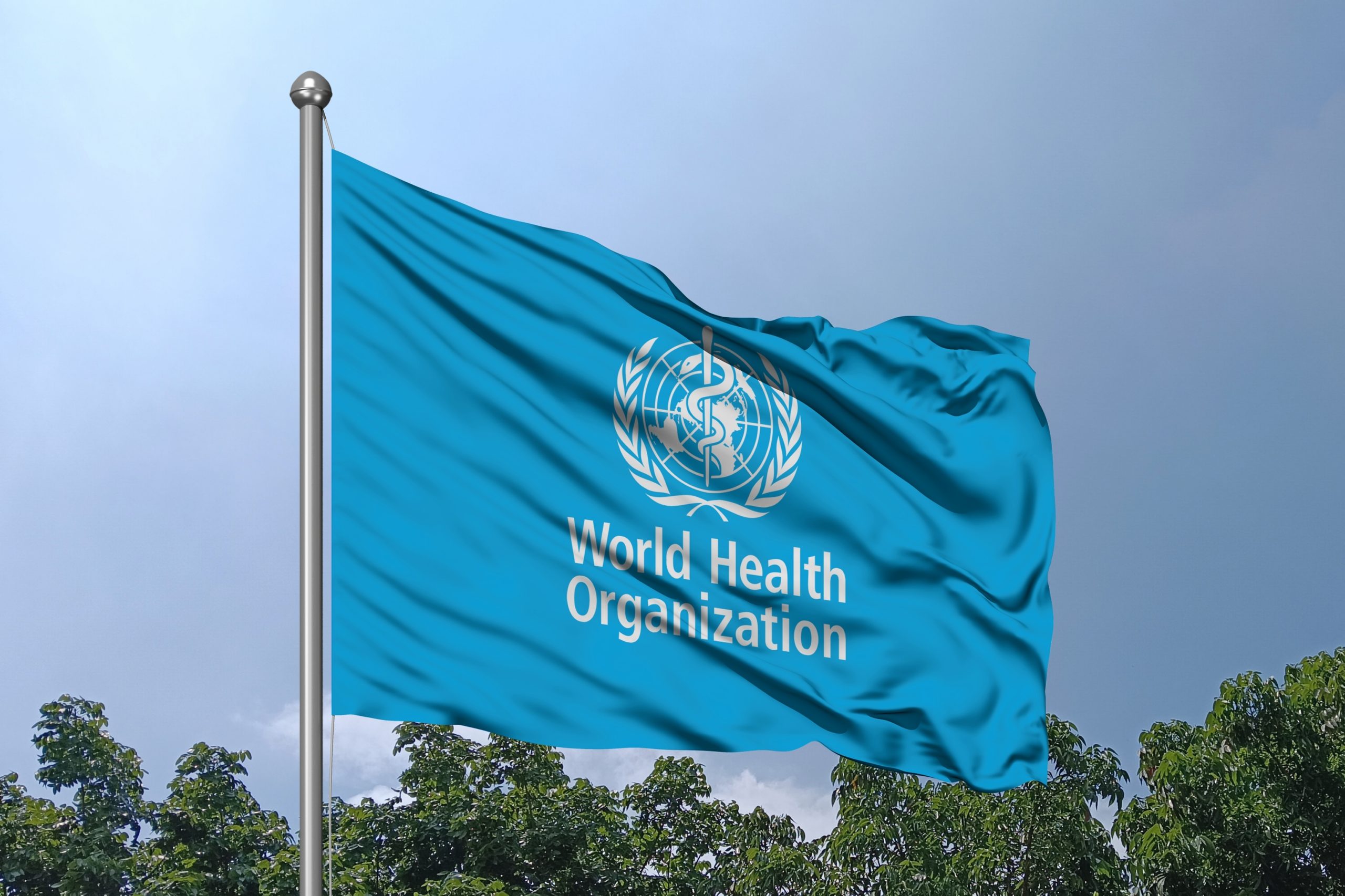
The World Health Organization just launched a massive digital library containing 1.6 million traditional medicine resources.
Story Overview
- WHO convened over 800 delegates from 100+ countries at the Global Traditional Medicine Summit in New Delhi
- Launched Traditional Medicine Global Library with 1.6 million resources and AI research tools
- 26 Member States signed Delhi Declaration committing to integrate traditional medicine into primary healthcare
- New accelerator program and advisory group established to advance evidence-based traditional medicine practices
The Great Medical Reconciliation Begins
For decades, traditional medicine existed in the shadows of modern healthcare—dismissed by medical establishments yet trusted by nearly four billion people worldwide. The WHO’s second Global Summit on Traditional Medicine in New Delhi represents a seismic shift in this dynamic, bringing together practitioners of ancient healing arts and contemporary medical professionals under one ambitious umbrella.
Digital Arsenal for Ancient Wisdom
The centerpiece of this initiative is the Traditional Medicine Global Library, a comprehensive digital platform housing 1.6 million resources enhanced with artificial intelligence tools. This repository aims to bridge the evidence gap that has long plagued traditional medicine, providing researchers with unprecedented access to documented practices spanning millennia across diverse cultures.
The platform represents more than digital storage—it’s a research revolution. AI tools will help identify patterns, validate treatments, and accelerate the typically lengthy process of evidence gathering that modern medicine demands. This technological approach addresses the fundamental challenge: how to apply rigorous scientific standards to practices rooted in empirical observation rather than controlled studies.
Strategic Commitment to Integration
Twenty-six Member States signed the Delhi Declaration, committing to concrete actions that could reshape healthcare delivery globally. These nations pledged to integrate traditional medicine into primary healthcare systems, strengthen regulatory frameworks, and invest substantially in research infrastructure. The commitment extends beyond mere acknowledgment to practical implementation.
The WHO Global Traditional Medicine Strategy 2025-2034 establishes a roadmap for this integration, emphasizing safety protocols and evidence-based practices. This strategic framework recognizes that effective healthcare systems must be both scientifically sound and culturally relevant, particularly in regions where traditional medicine forms the foundation of community health practices.
Watch:
Innovation Accelerators and Advisory Networks
The Summit unveiled the Health & Heritage Innovations accelerator program, designed to fast-track promising traditional medicine applications through rigorous testing and development. This initiative bridges the gap between ancient knowledge and modern validation processes, potentially unlocking treatments that have been effective for generations but lack formal scientific backing.
The newly established Strategic and Technical Advisory Group on Traditional, Complementary and Integrative Medicine provides ongoing guidance for implementation. This expert panel ensures that integration efforts maintain scientific rigor while respecting cultural contexts and traditional knowledge systems that have sustained communities for centuries.
Practical Implications for Global Health
This initiative addresses a critical reality: billions of people worldwide rely on traditional medicine as their primary healthcare resource, often because modern medical services remain inaccessible or unaffordable. By legitimizing and improving traditional practices, the WHO strategy could significantly expand healthcare access while reducing costs.
The focus on interoperable data systems suggests a future where traditional and modern medical records integrate seamlessly, providing healthcare providers with comprehensive patient histories regardless of treatment modalities used. This holistic approach could improve patient outcomes while respecting diverse cultural approaches to healing and wellness.
Your instant doctor companion – online 24 hours a day.
Sources: