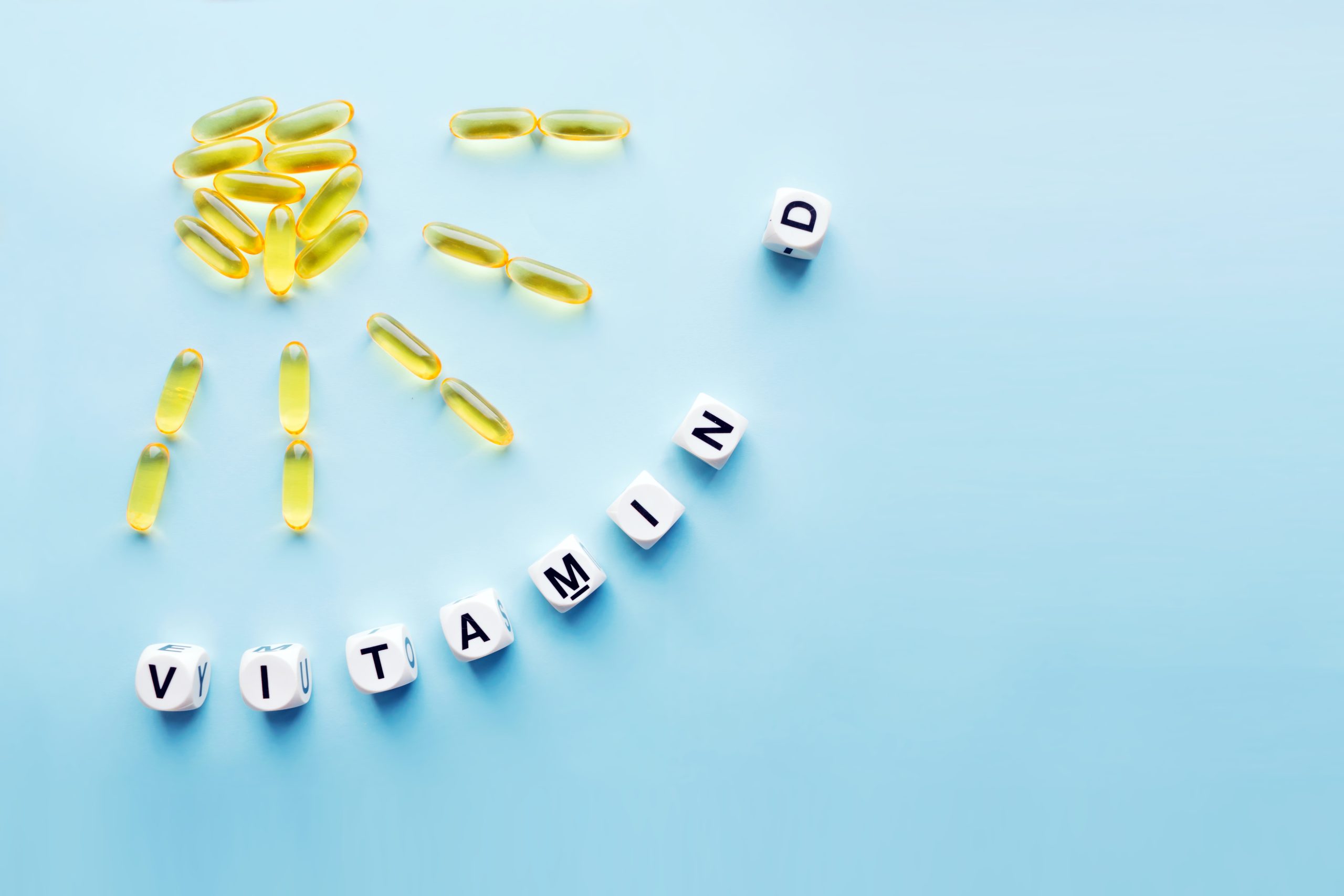

If you think vitamin D is just for bones, brace yourself—this “sunshine vitamin” is quietly transforming our understanding of gut health, immunity, and even mood.
Story Snapshot
- Vitamin D’s impact on gut health goes far beyond digestion, shaping immunity and inflammation.
- Deficiency in vitamin D may disrupt the balance of beneficial and harmful microbes in your gut.
- Food sources are limited; sunlight and targeted supplements play crucial roles.
- Experts emphasize vitamin D’s role in gut-brain communication, with broad implications for overall well-being.
Vitamin D’s Gut Health Revolution: Beyond Bones and Immunity
Forget the old image of vitamin D as merely the guardian of your skeleton. The newest research spotlights its behind-the-scenes power in your gut—a complex environment where trillions of microbes, immune cells, and hormones constantly interact. Vitamin D, acting as both a vitamin and a hormone, orchestrates a subtle yet powerful defense. It activates natural antimicrobial peptides, such as defensins and cathelicidin, helping your gut fend off harmful bacteria, viruses, and other invaders. Registered dietitian Erin Kenney explains that vitamin D’s role doesn’t end there: it helps your immune system tell friend from foe, reducing the risk of runaway inflammation and potential autoimmune flare-ups. The message from the experts is clear—your gut’s resilience and your body’s peacekeeping efforts both hinge on this often-overlooked nutrient.
Meanwhile, the gut microbiome—those microscopic tenants living rent-free in your digestive tract—thrives when vitamin D levels are up to par. Registered dietitian Hannah Van Ark points to studies linking vitamin D deficiency with lower populations of friendly bacteria such as Lactobacillus and Bifidobacterium. Supplementation, on the other hand, can increase microbial diversity, which is the gold standard for a resilient, well-functioning gut. A diverse microbiome means better digestion, a more balanced immune system, and stronger defenses against unwelcome inflammation. This is more than a feel-good story; it’s a paradigm shift in how we understand the “good bacteria” that shape everything from metabolism to mood.
The Barrier Guard: How Vitamin D Shields Your Gut Lining
Your gut lining is more than a physical boundary; it’s the frontline of your body’s defense, deciding what gets absorbed and what stays out. Vitamin D supports the production of tight junction proteins, the molecular “rivets” holding your intestinal lining together. Meghan Pendleton, M.S., RD, explains that a robust gut barrier keeps nutrients flowing in and pathogens out, preventing leaky gut—a condition linked to autoimmune disorders, food sensitivities, and even skin problems. Kenney adds that by maintaining this barrier, vitamin D keeps your internal ecosystem stable and secure. The implications ripple outwards: a compromised gut lining can set off a cascade of health issues, many of which evade detection until they’ve already taken hold.
Vitamin D’s influence reaches even further, extending to the mysterious gut–brain axis. Van Ark highlights that vitamin D receptors line the gut, participating in the communication network that links your digestive tract with your brain. This connection isn’t just about butterflies in your stomach; it’s about how gut health can influence mood, stress, and even cognitive function. Vitamin D helps regulate gut inflammation and supports the production of serotonin—95% of which is manufactured in your small intestine. When your gut is balanced, the messages it sends to your brain are clear and steady, supporting mental and digestive well-being alike.
Getting Enough: Food, Sun, and Smart Supplementation
Despite its importance, vitamin D is unusually scarce in food. Fatty fish like salmon and sardines top the list of natural sources, while mushrooms provide a plant-based option—though in the less potent D2 form. Many dairy products and plant-based milks are fortified, but even with these, it’s tough to meet daily needs through diet alone. Supplements offer a practical solution for most adults, with experts recommending vitamin D3 (cholecalciferol) for best absorption and maintenance. Registered dietitians advise pairing supplements with meals containing fat to boost uptake, and even suggest pairing with vitamin K2 and magnesium to optimize benefits for bones and metabolism.
Sunlight remains the most efficient and natural way to boost vitamin D levels. Just 5 to 30 minutes of midday exposure on arms and legs can be enough for many people—though factors like skin tone, latitude, and sunscreen use all influence results. The catch: while sunlight is free, overexposure increases the risk of skin damage, so moderation is key. For those in northern climates or with limited sun access, supplements become even more critical, and regular blood tests may help ensure optimal levels without risk of overdose.
Vitamin D: The Overlooked Hero of Gut and Whole-Body Health
Vitamin D’s role in gut health is only now coming into focus. By supporting a balanced microbiome, maintaining the gut barrier, and regulating the gut–brain axis, it earns a spot among the most influential nutrients for adults seeking to age well, stay resilient, and keep chronic disease at bay. The practical takeaway: check your vitamin D status, embrace safe sun, enjoy vitamin D-rich foods, and consider strategic supplementation if needed. The gut, it turns out, is not just the seat of digestion—it’s the crossroads of immunity, mood, and vitality, with vitamin D as its silent partner.
Sources:
EatingWell: Things You Should Do Every Day for Better Gut Health
Nutrition Rewired: About Erin Kenney, M.S., RD
EatingWell: 10 Ways to Reduce Inflammation
The Plant-Forward Nutritionist: About Hannah Van Ark, M.S., RD