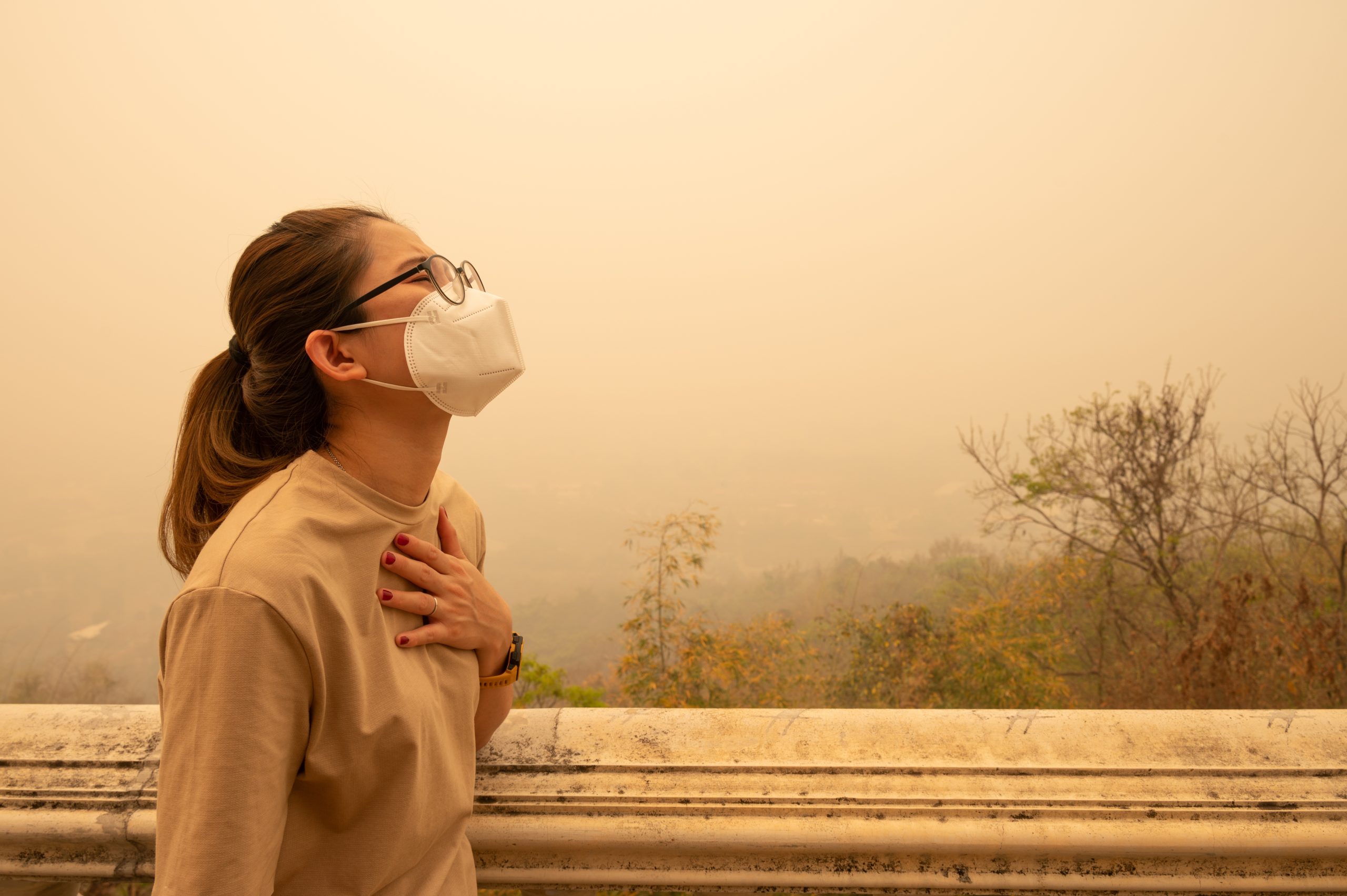

Scientists just discovered that global wildfires pump 21% more toxic compounds into our atmosphere than previously calculated, fundamentally challenging everything we thought we knew about air quality and public health risks.
Story Overview
- New research reveals wildfires emit 143 million tons of organic pollutants annually, far exceeding previous estimates
- These emissions concentrate in populated regions across Asia and Africa, multiplying health dangers for millions
- The hidden pollutants form secondary aerosols that travel thousands of miles from fire sources
- Current air quality models severely underestimate wildfire health impacts, demanding immediate policy updates
The Measurement Gap That Threatens Public Health
The January 2026 study published in Environmental Science & Technology exposes a critical blind spot in wildfire monitoring. Researchers focused on intermediate-volatility and semi-volatile organic compounds that previous studies largely ignored. These chemicals emerge primarily during smoldering phases of fires, when flames die down but vegetation continues burning at lower temperatures.
Lead researcher Lyuyin Huang discovered that global emission inventories missed these compounds because monitoring systems primarily tracked the dramatic flaming phases. The smoldering emissions create secondary aerosols in the atmosphere, forming new particles that can persist and travel vast distances through jet streams.
Geographic Collision of Fire and Human Pollution
The study identifies three critical overlap zones where wildfire emissions merge with existing human pollution: Equatorial Asia, Northern Hemisphere Africa, and Southeast Asia. These regions face a double burden as wildfire compounds interact with industrial emissions, creating toxic cocktails that exceed what either source produces alone.
Wildfires are polluting the air far more than thought #AirPollution #Wildfires https://t.co/TrcAJhNunX
— Respro® UK (@ResproUK) January 7, 2026
This geographic overlap explains why wildfire health impacts extend far beyond fire-prone areas. Medicare data from 2007-2019 shows wildfire smoke contributes to 0.42% of adult deaths nationally, with effects reaching communities thousands of miles from actual fires. Western regions bear the heaviest burden, where wildfire smoke comprises up to 50% of ambient particulate matter.
Health Consequences Beyond Current Understanding
The 21% emissions underestimate translates directly into underestimated health risks. EPA research confirms that brief wildfire smoke exposures cause immediate respiratory and cardiac emergency room visits, with effects lasting up to five days after exposure. North Carolina’s 2008 peat fires demonstrated this pattern, showing a spike in upper respiratory infections even in areas meeting federal air quality standards.
Long-term consequences prove even more concerning. Yale University research tracking 2007-2020 data links persistent wildfire smoke exposure to higher all-cause mortality rates. UC Davis studies document lung function losses persisting up to two years after exposure, challenging assumptions that health effects disappear when skies clear.
Watch:
The Nonlinear Danger Factor
Recent analysis reveals that wildfire particulate matter causes disproportionate harm compared to regular air pollution. Small increases in wildfire smoke concentrations trigger outsized health responses, particularly among elderly populations. This nonlinear relationship means that the 21% emissions undercount likely translates to much larger health impacts than a simple percentage increase would suggest.
Insurance industry data confirms this pattern through morbidity claims analysis. The Society of Actuaries found lagged disease prevalence following wildfire events, suggesting that health systems consistently undercount smoke-related illnesses by focusing only on immediate emergency responses rather than delayed complications.
Policy Implications for an Underestimated Threat
The emissions revelation demands immediate updates to air quality modeling systems and health risk assessments. Current federal standards assume accurate emission inventories, but the 21% undercount means communities receive inadequate warnings and insufficient protection measures. This becomes particularly critical as climate change drives increased wildfire frequency and intensity across traditional and new fire regions.
The research team emphasizes that updated inventories must inform climate-related policy development. As wildfire emissions contribute approximately 18% of total U.S. ambient particulate matter, accurate accounting becomes essential for meeting air quality targets and protecting public health in an era of expanding fire seasons and changing atmospheric patterns.
Your instant doctor companion – online 24 hours a day.
Sources:
NBER Working Paper on Wildfire Health Impacts
PMC Review of Wildfire Smoke Health Effects
UC Davis Environmental Health Wildfire Research
EPA Wildland Fire Health Research
ScienceDaily: Wildfires Polluting Air More Than Thought
Yale Study on Long-term Wildfire Smoke Exposure