
Protein-enhanced foods are flooding supermarket shelves with promises of health benefits, but research reveals many are loaded with hidden sugars, fats, and sodium that could undermine your health goals.
At a Glance
- Foods with protein claims are often less healthy than their regular counterparts, with 90.8% classified as “less healthy” in a recent study
- Plant-based proteins like legumes, nuts, and seeds are generally healthier options than red meats and protein-enhanced processed foods
- Excessive protein consumption (over 22% of daily calories) can increase risk of heart attack, stroke, and kidney damage
- The National Academy of Medicine recommends a minimum of 0.8 grams of protein per kilogram of body weight daily
- The source of protein matters more than the amount for long-term health outcomes
The Protein Marketing Boom
Walk down any supermarket aisle today and you’ll notice a striking trend: everyday foods now touting added protein benefits. From breakfast cereals and soups to cookies and even chocolate, manufacturers have jumped on the protein-enhancement bandwagon. This marketing strategy capitalizes on protein’s reputation as the nutrient of choice for health-conscious consumers looking to build muscle, lose weight, or simply improve their overall health.
But recent research from Miguel Hernández University in Spain has revealed a concerning reality about these protein-enhanced products. Their study found that foods marketed with protein claims are often significantly less healthy than their regular counterparts. In fact, about 90.8% of these protein-boosted foods were classified as “less healthy,” with more than half containing high levels of fat and sodium that could contribute to health problems with regular consumption.
Plant- and Animal-Based Protein-Rich Foods and Cardiovascular Health https://t.co/XAvIaUgtYl
— Stuart Phillips (he/him) (@mackinprof) March 27, 2022
A terrific read…
"Results from meta-analyses of RCTs exemplify the importance of considering relative effects of protein-rich foods, i.e., when intake of one food increases,
The Hidden Costs of Protein-Enhanced Foods
The allure of convenient protein sources comes with potential drawbacks that many consumers may not realize. While these products do indeed contain more protein, they often come packaged with unhealthy additions. Scientists found that compared to regular versions, foods with protein claims had significant differences in carbohydrates, sugar, and fat content – often not in a positive direction.
Another critical consideration is that these protein-enhanced products are not regulated by the FDA in the same way as medications, meaning they can contain unexpected or undesirable ingredients. For those with existing health conditions like kidney disease, the high protein content itself could potentially cause harm by putting additional strain on already compromised organs.
"It’s important we understand any risks Protein Fortified Foods might present to athletes when it comes to substances banned in sport” Dr Larissa Trease, Medical Advisor for @ProtectingSport
— Australian Institute of Sport (@theAIS) October 15, 2021
Find out more ⬇️ and access resources on the AIS website – https://t.co/OrrLcSDRik https://t.co/0fmWKbOQDu
How Much Protein Do You Actually Need?
Despite aggressive marketing suggesting everyone needs more protein, most Americans actually consume adequate amounts through their regular diet. The National Academy of Medicine recommends a minimum of 0.8 grams of protein per kilogram of body weight daily – for a 150-pound adult, that’s about 54 grams of protein, which many exceed without special protein-enhanced products.
Research from the University of Missouri suggests that consuming more than 22% of daily calories from protein may pose more health risks than benefits. Excessive protein consumption has been linked to increased risk of heart attack and stroke, particularly when that protein comes from less healthy sources. For most adults, focusing on the quality of protein rather than simply increasing quantity offers greater health benefits.
Healthier Protein Choices
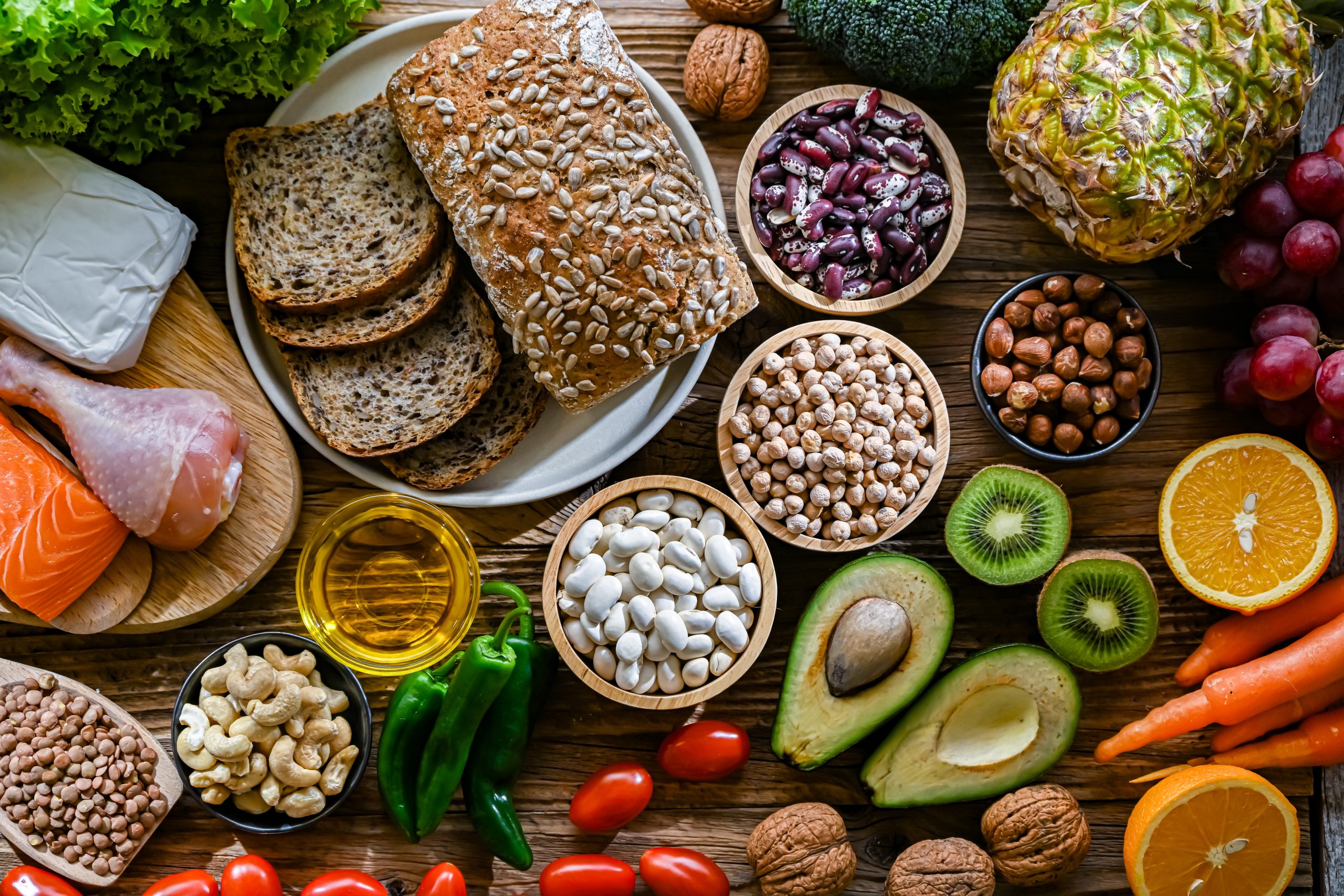
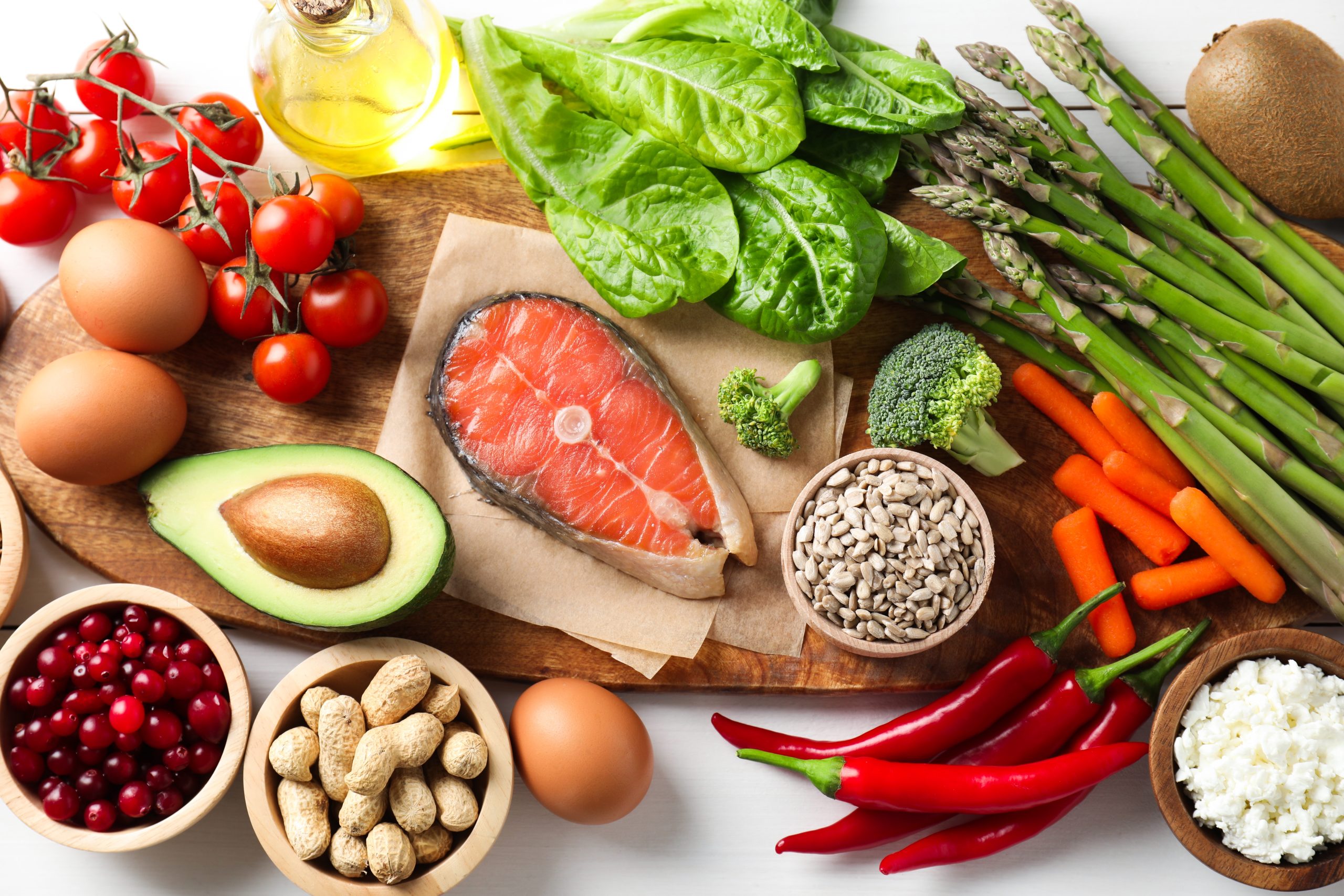
Not all proteins are created equal when it comes to health benefits. Plant-based proteins like legumes, nuts, and seeds not only provide quality protein but also deliver fiber, healthy fats, and protective nutrients that support heart health. Legumes in particular help lower cholesterol and reduce heart disease risk, making them an excellent protein choice for those concerned about cardiovascular health.
Fish and seafood provide high-quality protein along with heart-protective omega-3 fatty acids that can reduce heart attack risk. Eggs and poultry represent neutral options that provide complete protein without increasing heart disease risk. In contrast, red meat consumption should be limited to less than 350g weekly, while processed meats should be avoided altogether due to their established links to increased heart disease and other health problems.
Finding Balance in Your Protein Intake
The key takeaway for health-conscious consumers is that the source of protein matters more than simply increasing your intake. Rather than reaching for protein-enhanced processed foods, focus on incorporating naturally protein-rich whole foods into your diet. This approach provides protein alongside the full spectrum of nutrients your body needs without the hidden sugars, fats, and sodium often found in protein-marketed products.
For those with specific health goals like building muscle or managing weight, consulting with a healthcare provider or registered dietitian can help determine your individual protein needs. Remember that overall eating patterns, rather than single foods or nutrients, ultimately determine your health outcomes. A balanced approach that prioritizes whole foods will generally serve your health better than chasing the latest protein-enhanced product on store shelves.
Sources:
https://www.heartfoundation.org.au/healthy-living/healthy-eating/protein-and-heart-health