
This might be the only time a humble can of salmon could quietly change your health story, making your pantry a more powerful pharmacy than your medicine cabinet ever was.
Story Snapshot
- Canned salmon and sardines are now spotlighted for potent anti-inflammatory power, bucking old myths about canned foods.
- Registered dietitians are eating and recommending these shelf-stable staples daily, citing robust scientific backing.
- Recent research confirms critical nutrients—like omega-3s and antioxidants—are retained or even enhanced through canning.
- Affordable, simple, and practical, these foods are reshaping the anti-inflammatory diet for real-world kitchens.
The Canned Food Revolution in Anti-Inflammatory Eating
Chronic inflammation stands as a silent driver of America’s most debilitating diseases—arthritis, heart disease, and diabetes—yet the cure might be hiding in plain sight in the canned food aisle. For decades, “fresh” foods were king, with canned goods dismissed as inferior. But a new wave of research, amplified by credible voices like the Arthritis Foundation and Harvard Health, is flipping the script. Registered dietitians now routinely reach for canned salmon, sardines, and tomatoes, not out of convenience alone but because the science demands it.
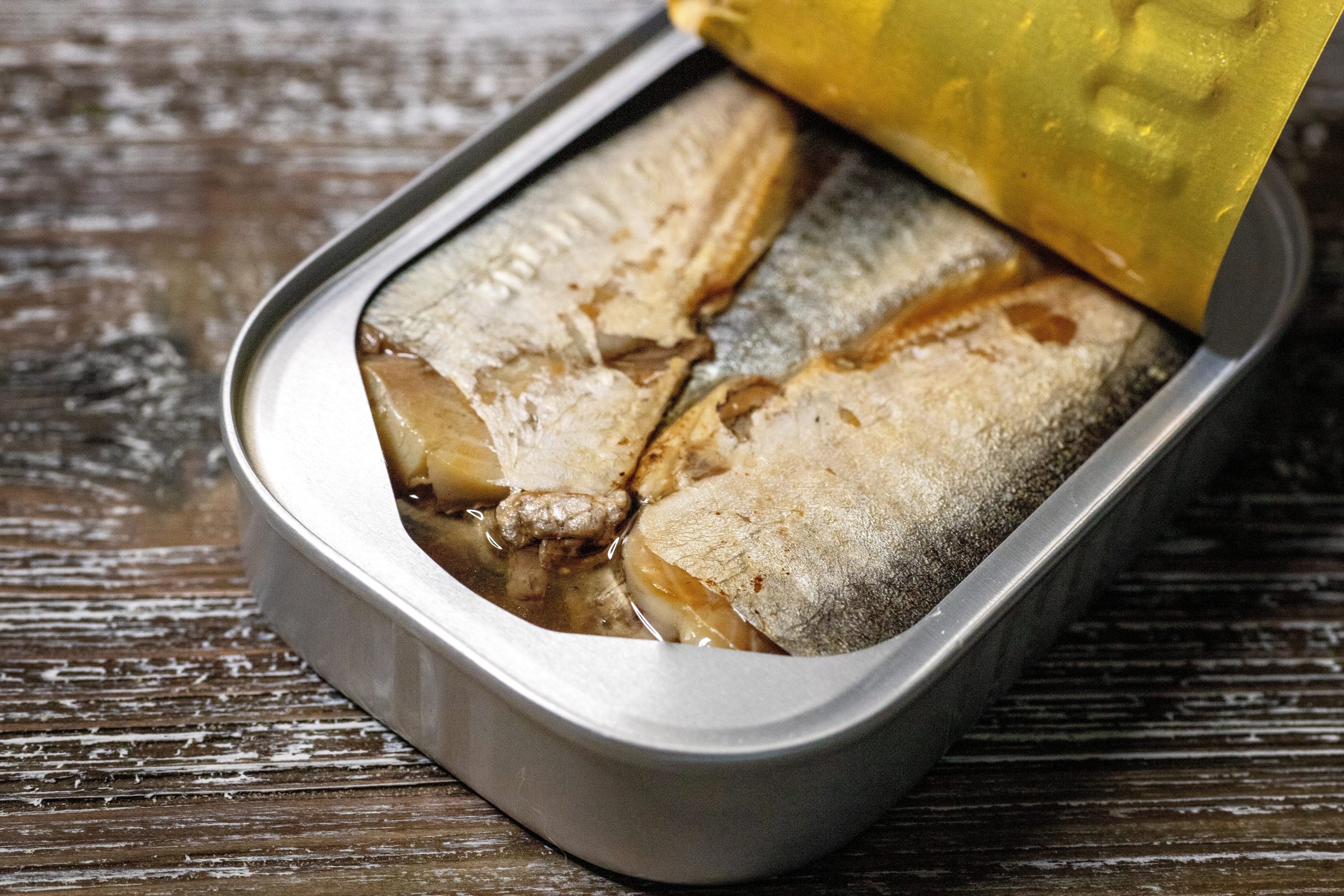
Omega-3 fatty acids, calcium, and antioxidants are the real stars in this shift. Canned salmon and sardines deliver EPA and DHA—omega-3s vital for taming pro-inflammatory cytokines and supporting joint and heart health. Canned tomatoes, through the alchemy of heat processing, offer enhanced levels of lycopene, a powerful antioxidant. These aren’t just stopgap foods for emergencies or tight budgets; they’re now central players in evidence-based anti-inflammatory diets. This evolution has been accelerated by rising rates of chronic illness, global events like the COVID pandemic, and a growing need for affordable, shelf-stable nutrition.
The Evidence: Science Backs the Shelf-Stable Solution
Multiple peer-reviewed studies and respected health organizations have confirmed that the key nutrients responsible for fighting inflammation not only survive the canning process but can become more bioavailable. For example, canned salmon retains high levels of omega-3s and calcium—thanks to the inclusion of edible bones—while canned tomatoes’ lycopene content actually increases with heat exposure during processing. These findings directly challenge the long-held belief that only fresh or frozen options are worth your attention, and they explain why prominent RDs publicly declare their daily love for these foods.
The Arthritis Foundation specifically endorses canned salmon, sardines, and tomatoes for their anti-inflammatory benefits, and Harvard Health lists the same nutrients as central to reducing inflammation. The Cleveland Clinic adds that these foods also provide crucial micronutrients and fiber, which further support immune function and gut health. While sodium and BPA content in canned goods remain valid concerns, the rise of low-sodium and BPA-free options mitigates these risks, making the benefits far outweigh the drawbacks for most consumers.
Breaking the Stigma: Who Wins with Canned Foods?
This paradigm shift is a win for more than just the health-obsessed. Low- and fixed-income families, those living in food deserts, and anyone seeking to prevent or manage inflammatory conditions now have a clear, affordable path forward. The normalization of canned foods as part of a healthy diet has economic and social ripple effects: boosting demand in the canned food industry, reducing healthcare costs tied to chronic inflammation, and making dietary strategies more inclusive. The food industry, recognizing this momentum, is innovating rapidly with more nutrient-rich, lower-sodium, and BPA-free canned products.
Registered dietitians and health organizations hold the power to reshape public perception, and they’re wielding it strategically. By sharing real-world, science-backed endorsements and practical meal ideas, they’re bridging the gap between research and the grocery cart. For the consumer, this means actionable advice: stock your pantry with canned salmon for omega-3s, tomatoes for antioxidants, and beans for fiber and polyphenols. The days of canned food shame are over; these pantry staples are now at the forefront of a realistic, anti-inflammatory lifestyle.