
What if a diabetes drug could quietly rewrite your odds of surviving heart disease, whether or not you even have diabetes?
Story Highlights
- GLP-1 drugs, once known only for diabetes and weight loss, are now proven to cut heart attack and stroke risk—even for some without diabetes.
- Major real-world studies in 2024 revealed dramatic reductions in heart failure hospitalizations and deaths among patients using these drugs.
- This shift marks a turning point, as heart doctors and regulators move to recommend GLP-1s broadly for cardiovascular protection.
- Debates over cost, access, and who should get these drugs next are just beginning, with implications for millions.
GLP-1 Drugs: From Diabetes Afterthought to Heart Disease Gamechanger
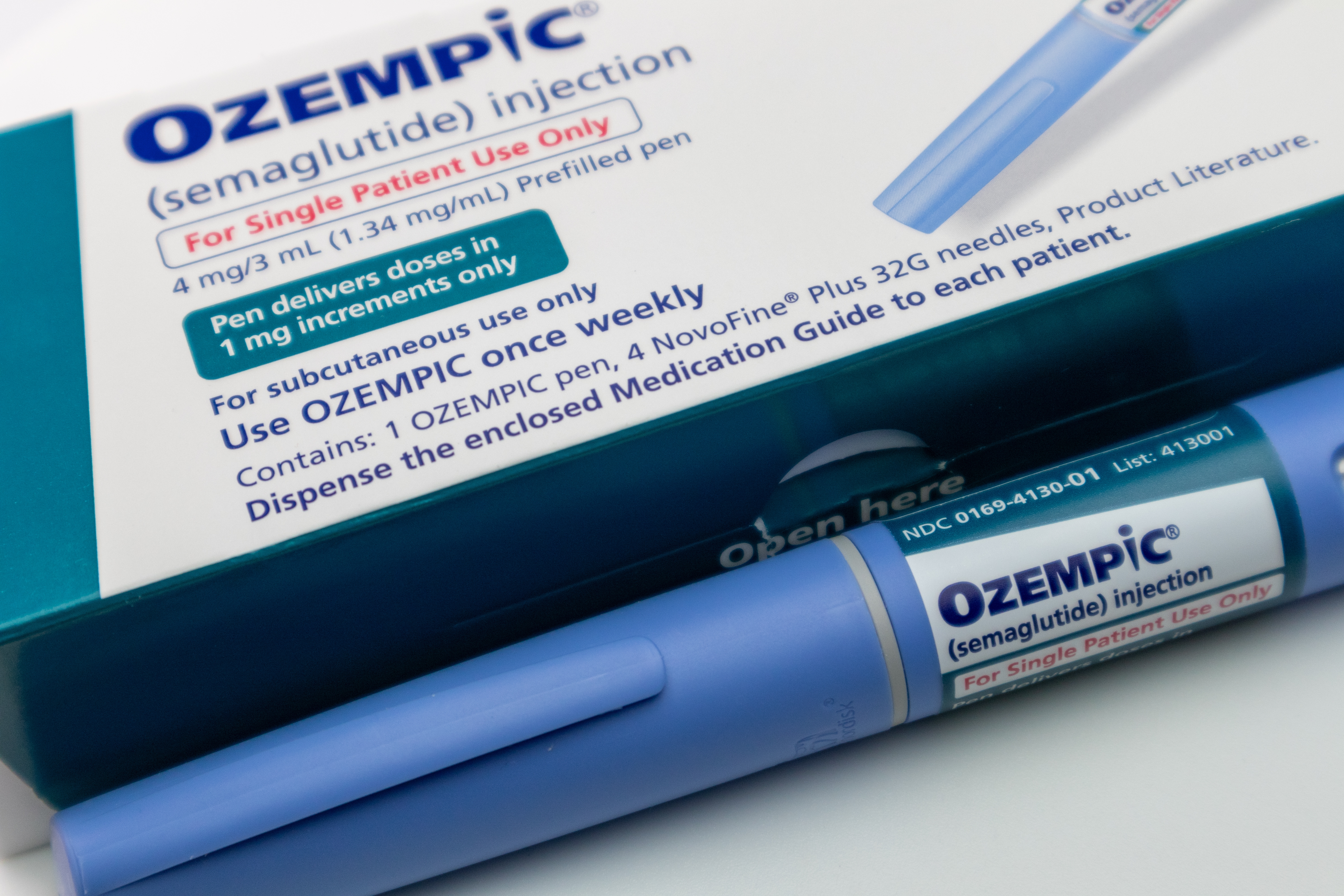
Doctors once prescribed GLP-1 receptor agonists almost exclusively for people struggling to control their blood sugar. These drugs, including semaglutide and tirzepatide, mimicked a gut hormone that made the pancreas release insulin after meals. Then, an unexpected demand from regulators, spurred by past disasters with older diabetes drugs, forced new medicines to prove they wouldn’t raise the risk of heart attacks or strokes. What followed upended medical expectations: not only were GLP-1 drugs safe, but patients taking them had fewer heart attacks, strokes, and cardiovascular deaths compared to those on other therapies[1][2][4].
A string of clinical trials between 2016 and 2022—LEADER, SUSTAIN-6, REWIND—cemented this effect in people with type 2 diabetes. But 2023’s SELECT trial delivered something even more startling: overweight and obese people without diabetes, but with cardiovascular risks, also reaped significant heart protection from semaglutide[2][3][4]. Hospitalizations for heart failure and deaths from any cause dropped by over 40% among high-risk patients with heart failure and diabetes or obesity, according to analyses from Mass General Brigham and Harvard Medical School.
Watch; How GLP-1s Provide New Options to Manage Heart Disease
Paradigm Shift: Who Stands to Benefit and Who Makes the Call?
Cardiovascular disease remains the leading cause of death for people with diabetes, and heart failure with preserved ejection fraction (HFpEF) plagues both diabetic and obese populations, with few good treatments. The breakthrough with GLP-1 drugs is their broad, consistent benefit across diverse groups: young or old, male or female, with or without diagnosed diabetes[2][3]. Pharmaceutical giants like Novo Nordisk and Eli Lilly, who market semaglutide and tirzepatide, are now joined by regulatory agencies, academic researchers, and patient advocacy groups in pushing to expand who has access to these medications.
The Evidence: Real-World Data and Clinical Trials Align
Unlike previous diabetes drugs that sometimes worsened heart risk, the evidence for GLP-1 drugs is built on a foundation of both randomized clinical trials and massive real-world studies. The SELECT trial’s 2023 results showed semaglutide slashed the risk of heart attack, stroke, or cardiovascular death by 20% in overweight or obese patients without diabetes[2][3]. In parallel, JAMA and European Society of Cardiology presentations in 2024 demonstrated hospitalizations for heart failure and all-cause mortality fell dramatically for patients treated with GLP-1 drugs, with the benefits seen across age, gender, and ethnicity[1][3].
Challenges, Controversies, and the Road Ahead
Despite near-universal enthusiasm from the medical research community, some disagreements and concerns persist. The long-term safety of GLP-1 drugs in people without diabetes remains under study, and the price tag for these medications is substantial. Insurers, faced with surging demand, are weighing the potential to save money on hospitalizations against the high cost of widespread prescriptions.
The broader impact on healthcare is profound. If GLP-1 drugs are used widely for primary and secondary prevention of heart disease, hospitalizations and deaths may fall, but costs and prescribing practices will have to be carefully managed. The next few years will see new clinical guidelines, expanded FDA approvals, and—possibly—competition that could bring down prices.
Sources: