
Mushroom mycelium is transforming industries with its sustainable, versatile nature, bridging the gap between food and beauty.
Story Snapshot
- Mushroom mycelium is an emerging sustainable ingredient with applications in food and beauty.
- Mycrocell is pioneering the use of mycelium in cosmetics, emphasizing its safety and scalability.
- Mycelium’s low environmental footprint makes it a key player in addressing global sustainability challenges.
- Experts highlight its potential in reducing food waste and offering nutrient-dense alternatives.
Mycelium’s Versatility in Food and Beauty
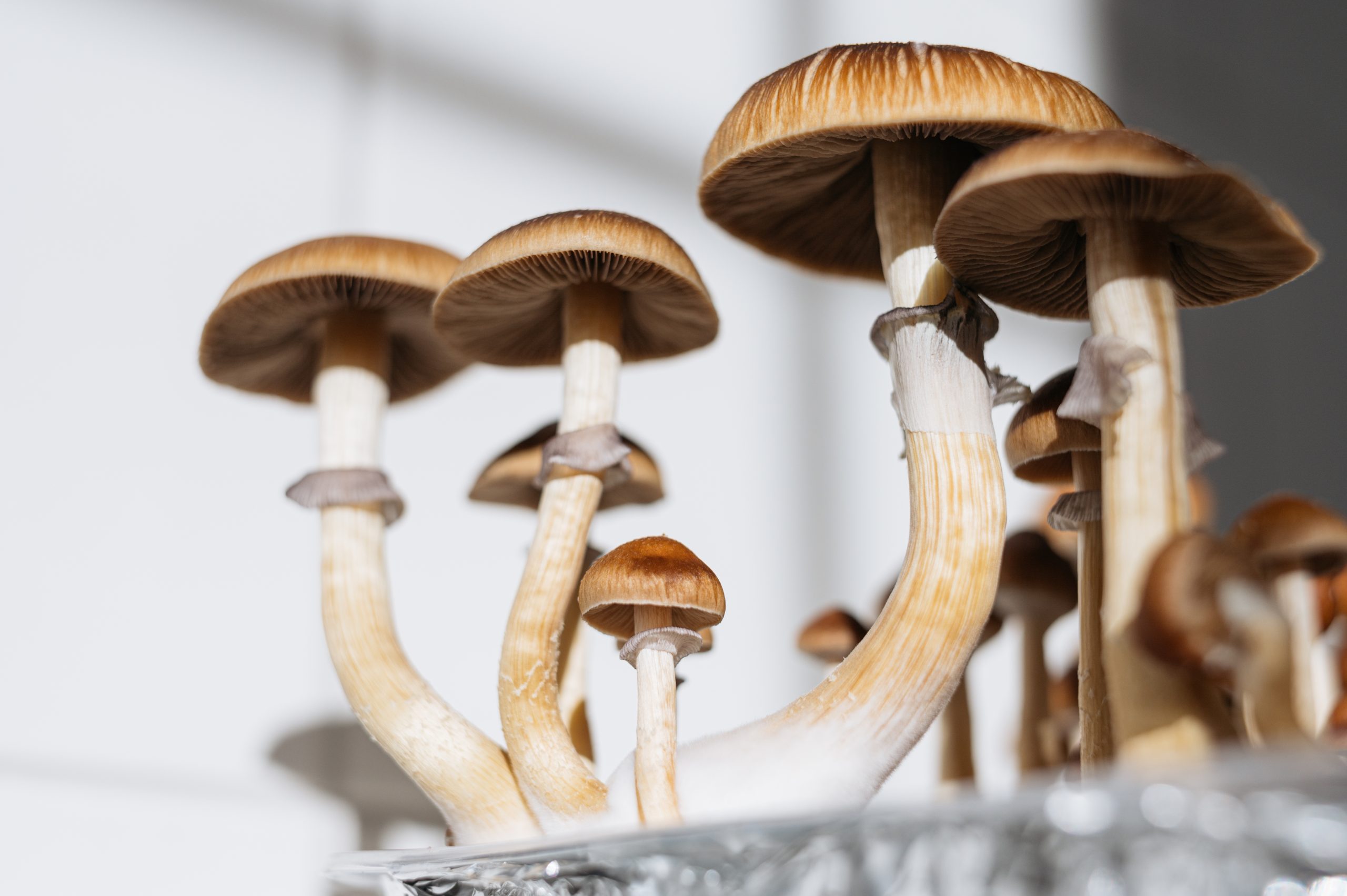
Mushroom mycelium, the root-like network of fungi, is gaining attention for its applications across food and beauty sectors. Mycrocell, a Singapore-based startup, is at the forefront, leveraging mycelium’s high protein content and low environmental impact to innovate in cosmetics. This ingredient is not just a trend; it represents a shift towards sustainable living as it bridges the gap between natural and edible products in both industries.
Mycelium’s role extends beyond being a mere ingredient. It acts as a natural decomposer, breaking down organic matter and supporting ecosystems. This capability, combined with its potential to convert agricultural waste into nutrient-rich biomass, makes it a sustainable powerhouse. Mycelium requires significantly less land and water compared to traditional meat production, marking it as a game-changer in the fight against food insecurity and climate change.
Meet My Healthy Doc – instant answers, anytime, anywhere.
Innovations Driving Mycelium’s Popularity
Mycrocell’s journey from food to cosmetics highlights the innovative use of mycelium. Initially developed for food-grade purposes, the company discovered its potential in beauty products. Mycelium’s extracts, such as polysaccharides and peptides, are known for their anti-inflammatory properties, making them ideal for skincare. The scalability of mycelium production, facilitated by custom bioreactors, ensures its viability as a sustainable ingredient in both sectors.
This biotechnological advancement is part of a larger trend where startups and researchers are exploring fungi-based solutions to global challenges. By upcycling agricultural waste to create high-protein products, companies are addressing issues of food waste and sustainability. The industry’s focus on clean-label, natural ingredients aligns with consumer demand for transparency and environmental responsibility.
Watch:
Impact on Sustainability and Nutrition
Mycelium’s applications in food and beauty have far-reaching implications. In the short term, it offers a means to reduce food waste by transforming plant remnants into valuable protein sources. Its clean-label proteins not only taste better but also have a superior texture compared to traditional isolates. Long-term, mycelium has the potential to combat malnutrition by providing a scalable, nutrient-dense alternative to animal-based foods.
The environmental benefits of mycelium are significant. Its production results in 4-10 times lower emissions than conventional meat, supporting efforts to reduce the carbon footprint of food production. Mycelium’s ability to store carbon and support soil health further underlines its role in promoting a circular bioeconomy, where waste is minimized, and resources are efficiently utilized.
Start your health journey now.
Challenges and Future Prospects
While the prospects for mycelium are promising, challenges remain. The commercial scaling of mycelium in the beauty industry is still in its early stages, with ongoing tests to validate its benefits. Additionally, while the sustainability and nutritional claims are supported by academic studies, real-world applications need further exploration to fully understand their long-term impact.
Despite these challenges, the consensus among experts is that mycelium holds the key to a more sustainable future. Its low resource requirements and environmental benefits align with global efforts to address food security and climate change. As technology advances, the potential for mycelium to transform industries and promote a healthier planet becomes ever more achievable.
Your instant doctor companion – online 24 hours a day.
Sources: