
Can munching on a handful of walnuts every day really be the secret to a healthier heart and a happier gut? Recent research says yes, and the answer may surprise you.
At a Glance
- Walnuts have been consumed for thousands of years for their nutritional benefits.
- Recent studies show walnuts improve gut bacteria and heart health.
- Walnuts reduce gut permeability and boost beneficial gut microorganisms.
- Consumption of walnuts may lower inflammation and cancer risk.
The Historical Nut with Modern Benefits
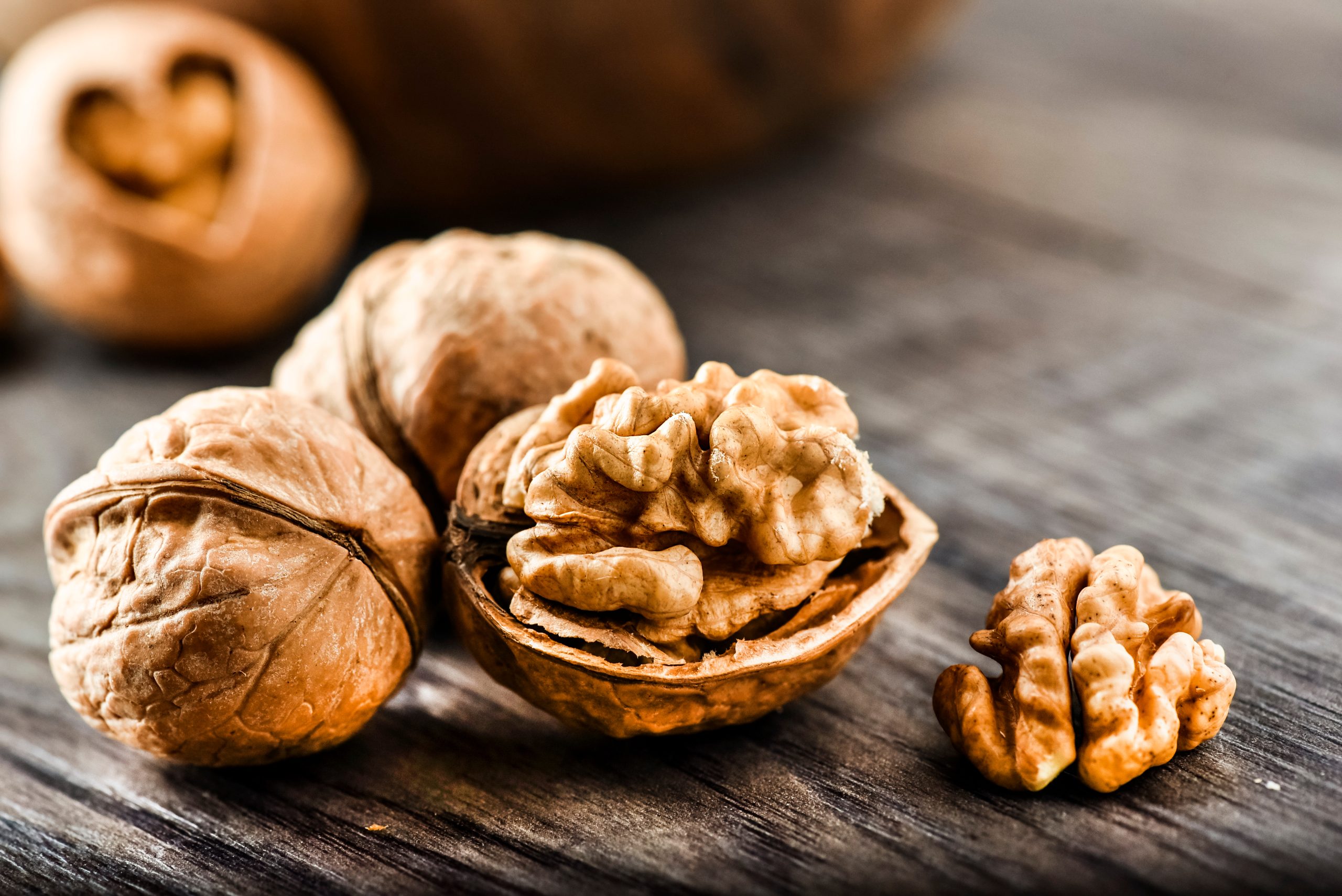
Walnuts have been a staple since the days when people thought fire was a major invention. Originating from Central Asia and the Mediterranean, these nuts have always been credited with heart-friendly properties. Fast forward to today, and scientists are digging deeper, finding that these wrinkly wonders do more than just lower cholesterol. They might just be the ultimate gut health allies, promising a whole new level of health benefits with every crunchy bite.
Watch: The Powerful Health Benefits of Walnuts: Heart, Brain, and Gut Health
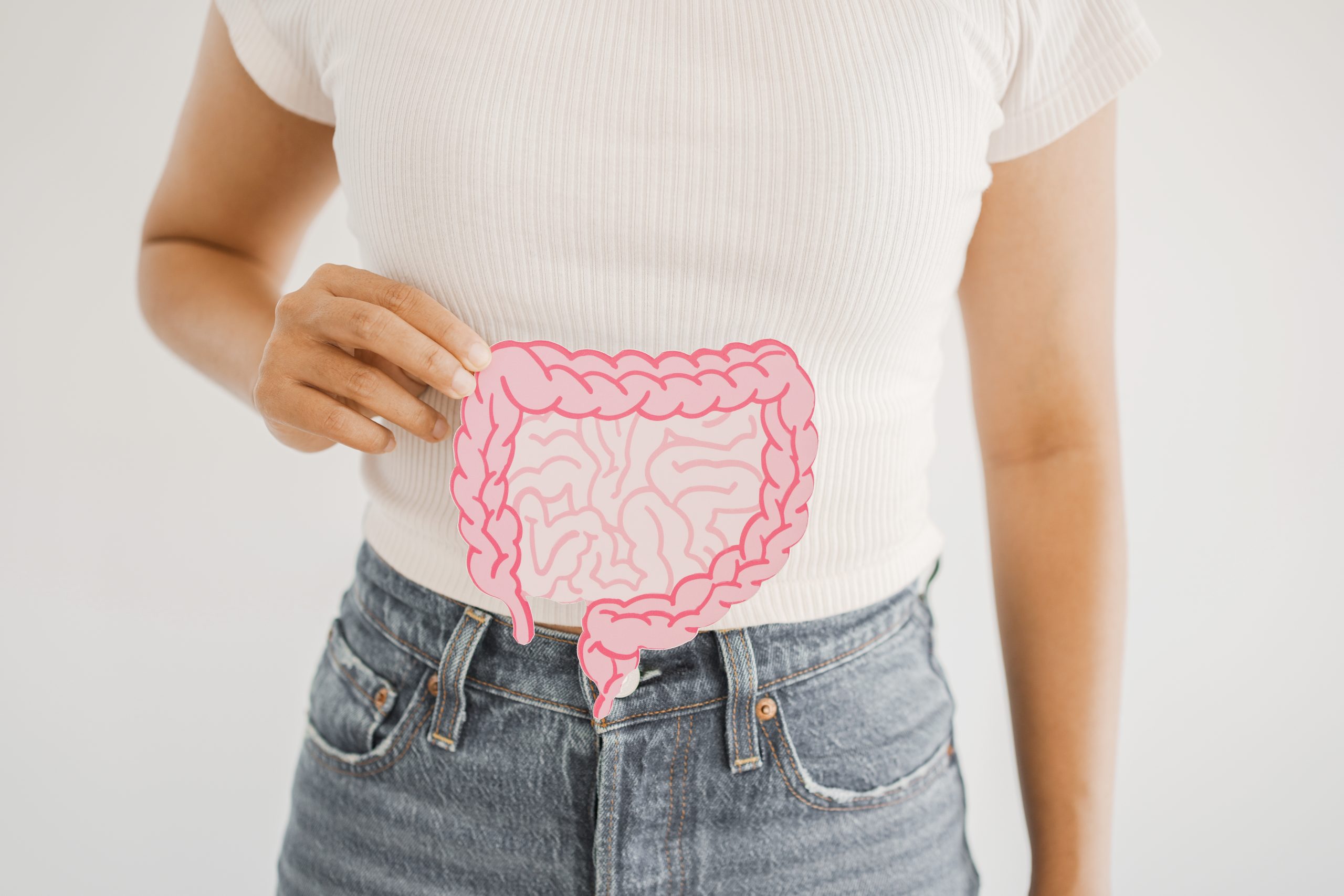
But how do these ancient snacks pull off such modern miracles? It’s all about the gut microbiome. This complex ecosystem inside our bellies holds the key to many health mysteries, and walnuts seem to be its favorite food. Recent studies suggest that the polyphenols and dietary fiber in walnuts boost beneficial gut bacteria, which in turn can lower blood pressure and cholesterol. Talk about a win-win situation for your taste buds and your health!
The Science Behind the Crunch
In 2025, a study published in the Journal of Nutrition highlighted walnuts’ ability to alter gut bacteria in ways that promote heart health. Researchers found that diets rich in walnuts increased strains like *Eubacterium eligens* and *Lachnospiraceae*, known for their heart-boosting benefits. Meanwhile, another study presented at the NUTRITION 2025 conference revealed that walnuts can reduce gut permeability and improve insulin response, particularly in adults struggling with obesity.
Clinical trials at the University of Connecticut added to the walnut fanfare, showing that these nuts can be converted into urolithins by our gut. Urolithins have been linked to anti-inflammatory and anti-cancer properties, specifically reducing colorectal cancer risk. So, not only are walnuts helping your heart, but they might also be giving cancer a serious run for its money.
What’s in it for You?
If you’re one of the many who could benefit from a little gut rejuvenation or heart health boost, walnuts might just be the snack for you. Regular walnut munchers could enjoy improved gut health, lower inflammation, and a reduced risk of chronic diseases like cardiovascular disease and colorectal cancer. It’s like having a personal health trainer in a shell, ready to support your wellness journey with each tasty crunch.
But let’s not get too carried away. While the results are promising, researchers remind us that individual responses can vary. Factors like baseline gut microbiota composition and genetics play a role in how your body will react to walnut consumption. More large-scale studies are needed to fully understand the scope of these benefits and the optimal walnut intake for maximum health impact.
The Bigger Picture
The findings on walnuts are already shaking up the food industry, with increased demand benefiting agricultural producers and the nut industry. Public health campaigns might soon spotlight walnuts in dietary guidelines, nudging us to incorporate these nuts into our daily diet. Meanwhile, the functional foods sector is buzzing with ideas for walnut-based products that could make our health journeys even easier and tastier.
Ultimately, while walnuts are stealing the spotlight, experts emphasize the importance of a balanced diet and healthy lifestyle. They remind us not to pin all our hopes on a single food, even if it is as mighty as the walnut. Instead, consider these nuts a delicious and nutritious component of a broader strategy for health and wellnes