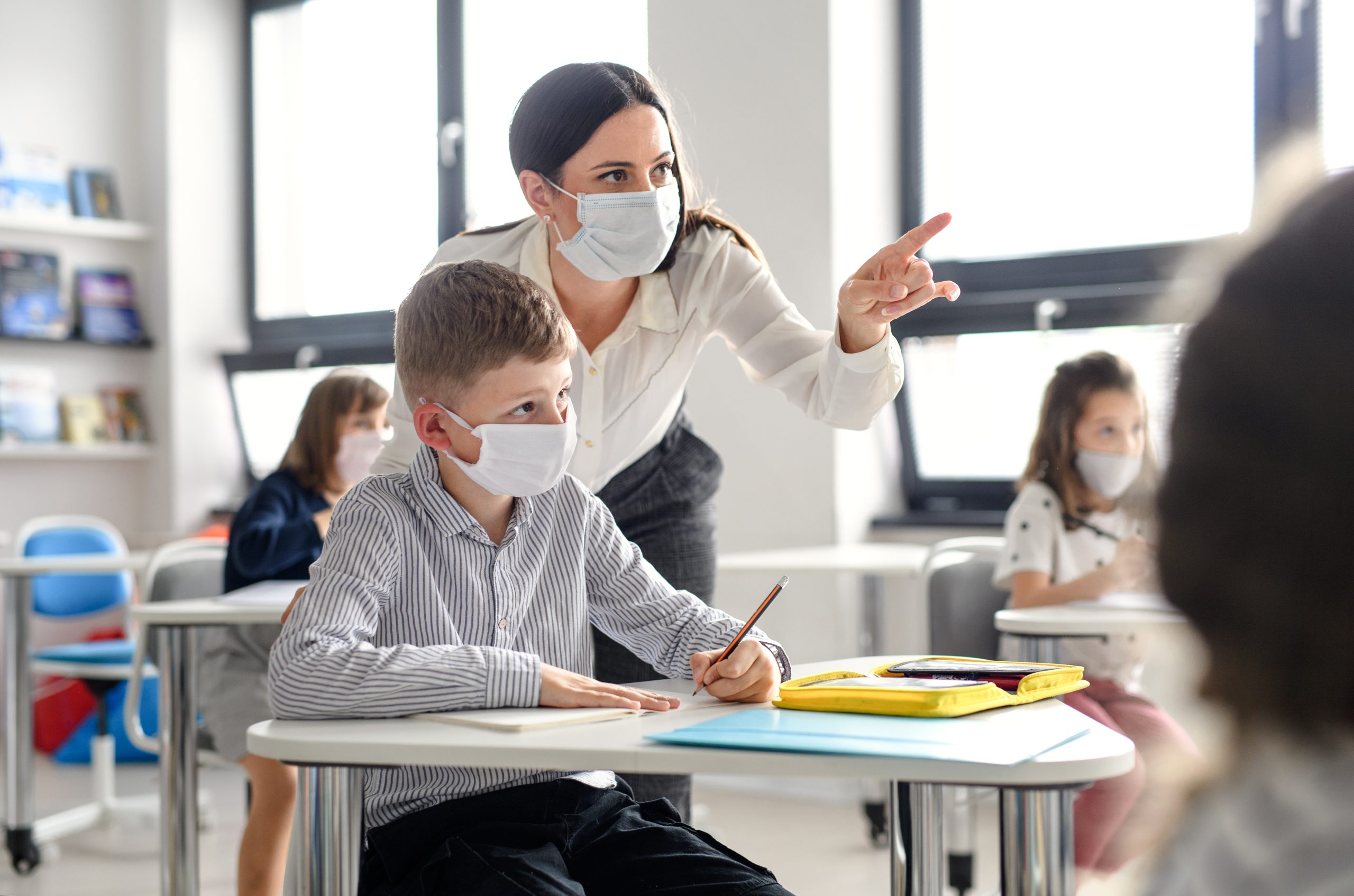

When schools reopened for in-person learning after COVID-19 closures, youth mental health significantly improved, according to new research.
Story Overview
- Harvard study finds 43% drop in mental health visits post-reopening.
- Girls showed more pronounced improvements than boys.
- Study suggests balancing public health and mental health in future pandemics.
- Reopening schools reduced anxiety, depression, and ADHD diagnoses.
School Reopenings and Mental Health
Research from Harvard T.H. Chan School of Public Health analyzed insurance claims for over 185,000 children in California. The study revealed a 43% decrease in mental health visits within nine months of schools reopening. This decline included fewer diagnoses of depression, anxiety, and ADHD. The findings underscore the protective role of in-person schooling, which offers structure, social interaction, and access to support services that remote learning lacks.
The study showed that non-drug medical spending for mental health decreased by 11%, spending on psychiatric drugs by 8%, and ADHD-specific drugs by 5% nine months after reopening. This data suggests that reopening schools may have provided a form of mental health intervention by restoring the supportive environment of in-person education.
Watch:
Global Perspectives and Variations
While the Harvard study focused on California, a global narrative review highlighted varying outcomes worldwide. Many regions saw improvements in youth mental health post-reopening, but not uniformly. For instance, in Shanghai, adolescents reported fewer symptoms of anxiety and depression after returning to school. Conversely, in Australia, some mental health issues remained elevated compared to pre-pandemic levels, suggesting that reopening alone isn’t a panacea.
The mixed outcomes reflect the diverse contexts of school reopenings, including factors like academic pressure and the availability of mental health resources. In China and parts of Europe, reductions in distress were more pronounced, whereas in regions with high academic stress, the benefits were less evident.
Implications for Future Policy
The study’s authors and other experts argue that these findings should inform future pandemic policies. Schools are more than just educational institutions; they are critical mental health support systems. The evidence suggests that prolonged closures can exacerbate mental health issues, and reopening should be a priority, balanced against the need for infection control.
In future pandemics, policymakers should consider the mental health implications of school closures. The California study, focused on privately insured children, also raises questions about the equity of access to mental health services, highlighting the need for inclusive policies that address disparities in healthcare access.
Youth Mental Health Improved When Schools Reopened, Study Finds
— Jonathan D. Raskin, Ph.D. (@JDRaskin) December 9, 2025
With the end of school shutdowns, children’s mental health appointments fell sharply, though other factors may have contributed. https://t.co/lKRAwGjSBI
Long-Term Effects and Considerations
The reopening of schools has shown short-term benefits in reducing clinical burdens and improving daily functioning for many youth. However, the persistence of mental health issues in some groups suggests that reopening is not the sole solution. The pandemic has spotlighted the importance of integrating mental health support into educational settings, advocating for investments in school-based mental health services and staff.
Beyond the immediate impacts, the study’s insights may drive long-term policy changes, emphasizing the role of schools in mental health and the need for targeted interventions to support students’ well-being. As schools navigate post-pandemic challenges, the integration of mental health resources remains crucial in supporting youth’s overall development.
Start your mental health conversation safely.
Sources: