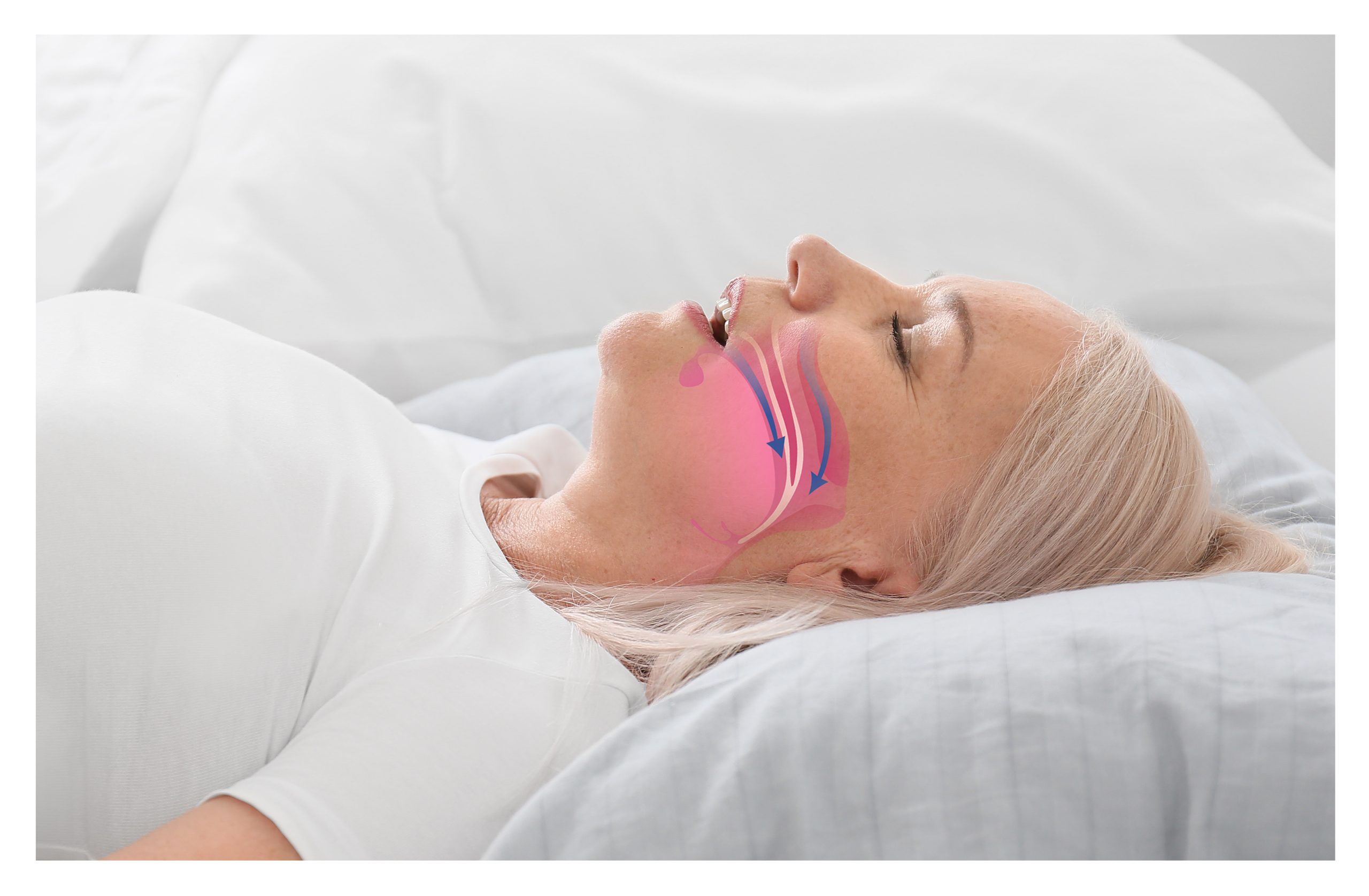

Untreated sleep apnea not only disrupts your nights but may double your risk of developing Parkinson’s disease.
Story Highlights
- Study links untreated sleep apnea with a doubled risk of Parkinson’s disease.
- CPAP therapy shown to significantly reduce this risk.
- Findings based on health records of over 13 million U.S. veterans.
- Emphasizes importance of early screening and treatment for sleep apnea.
Revolutionary Findings in Sleep Disorders
A study published in JAMA Neurology unveils a startling connection between untreated obstructive sleep apnea (OSA) and an increased risk of Parkinson’s disease. The research, led by Oregon Health & Science University and the Portland VA Health Care System, analyzed over 13 million U.S. veterans’ health records. Results show that those with untreated OSA are nearly twice as likely to develop Parkinson’s, highlighting a significant, yet modifiable risk factor for this neurodegenerative disorder.
Despite OSA’s prevalence, affecting 25–35% of middle-aged adults, about 80% remain undiagnosed. This underdiagnosis poses a silent threat, potentially paving the way for Parkinson’s in the aging population. The study’s findings underscore the pressing need for early detection and intervention, especially through CPAP therapy, which can halve the risk of developing Parkinson’s. CPAP, a common treatment for sleep apnea, has now shown potential beyond improving sleep quality by offering neuroprotective benefits.
Got a health question? Ask our AI doctor instantly, it’s free.
Watch:
Implications for Healthcare Practices
Healthcare providers are urged to adopt more rigorous screening practices for sleep apnea, particularly in primary care settings. Experts like Dr. Daniel Truong from the Truong Neuroscience Institute advocate for the increased use of CPAP therapy, emphasizing its safety, effectiveness, and newfound neuroprotective properties. By integrating sleep apnea screening into routine health assessments, we can potentially reduce the incidence of Parkinson’s, thus improving long-term neurological health outcomes. Start your health journey in under a minute.
The study’s implications extend beyond individual health, affecting broader healthcare policies and economic structures. With increased awareness, there could be a surge in demand for CPAP devices and sleep clinics, affecting insurance coverage for sleep apnea treatment. This shift could also spur pharmaceutical companies to invest in therapies related to sleep disorders, creating a ripple effect across the medical device and pharmaceutical industries.
Expert Opinions and Perspectives
Leading experts emphasize the groundbreaking nature of these findings. Dr. Lee Neilson from OHSU states, “Untreated sleep apnea nearly doubles the risk of Parkinson’s, but CPAP therapy can cut that risk almost in half,” marking this study as a pioneering demonstration of modifying Parkinson’s risk through sleep apnea treatment. Dr. Gregory Scott adds that while sleep apnea doesn’t guarantee Parkinson’s, it significantly raises the chances, making CPAP therapy a crucial preventive measure.
This study has sparked widespread media coverage, influencing clinical guidelines and public health recommendations. The call for action includes prioritizing sleep apnea screening and integrating CPAP therapy into treatment plans, aiming for a future where fewer individuals face the debilitating effects of Parkinson’s disease. Your 24/7 AI doctor is now live. No waiting. No appointment.
Sources: