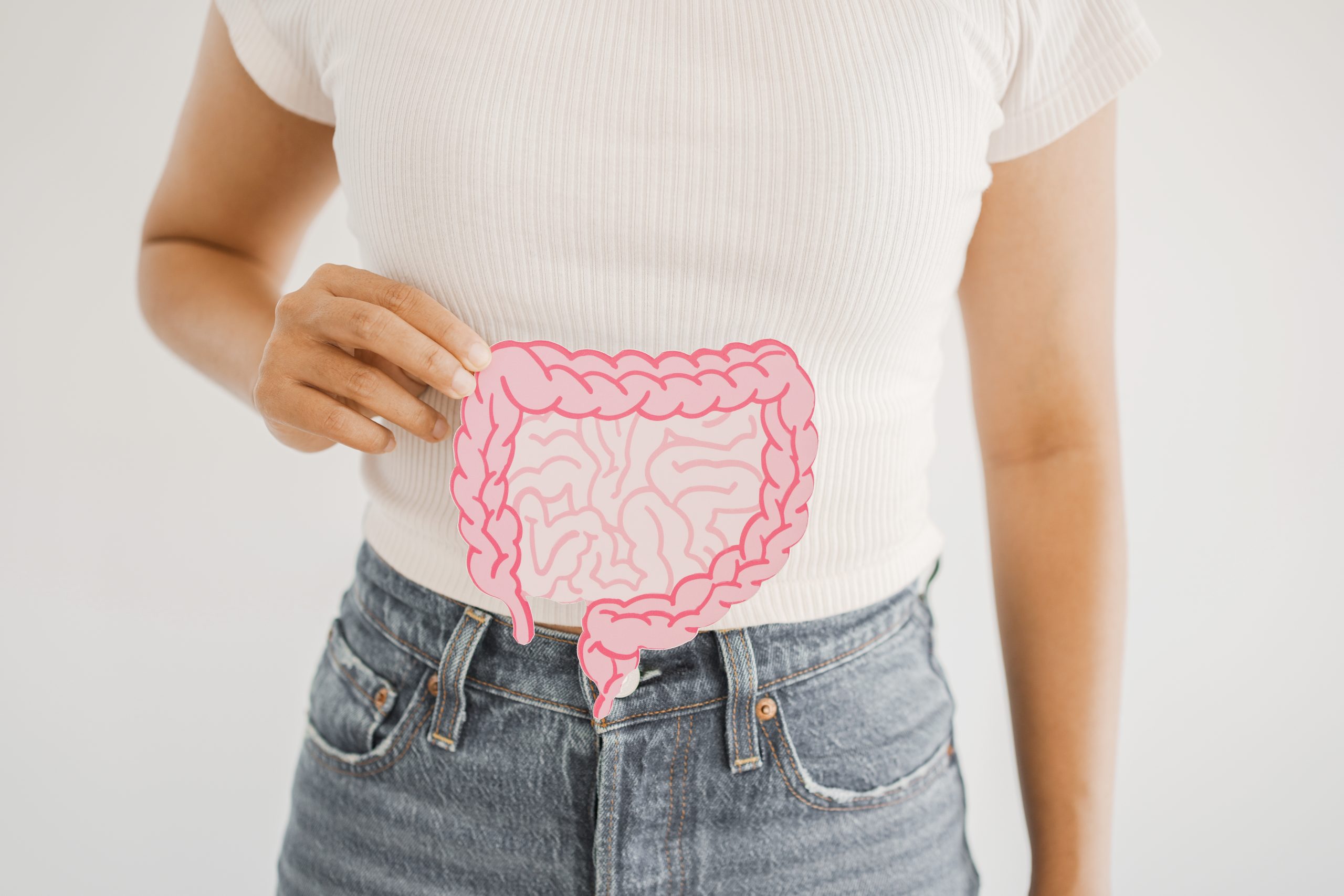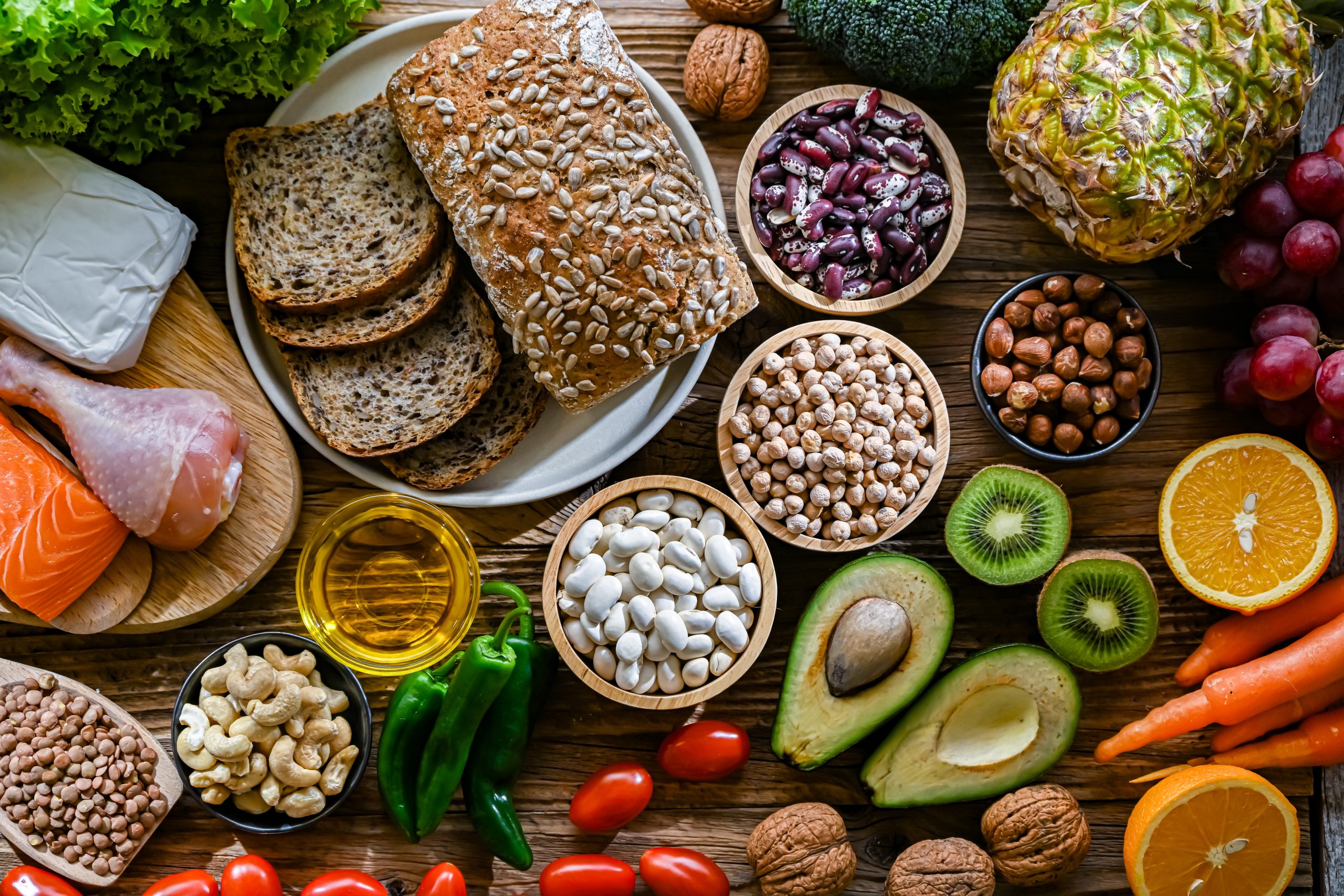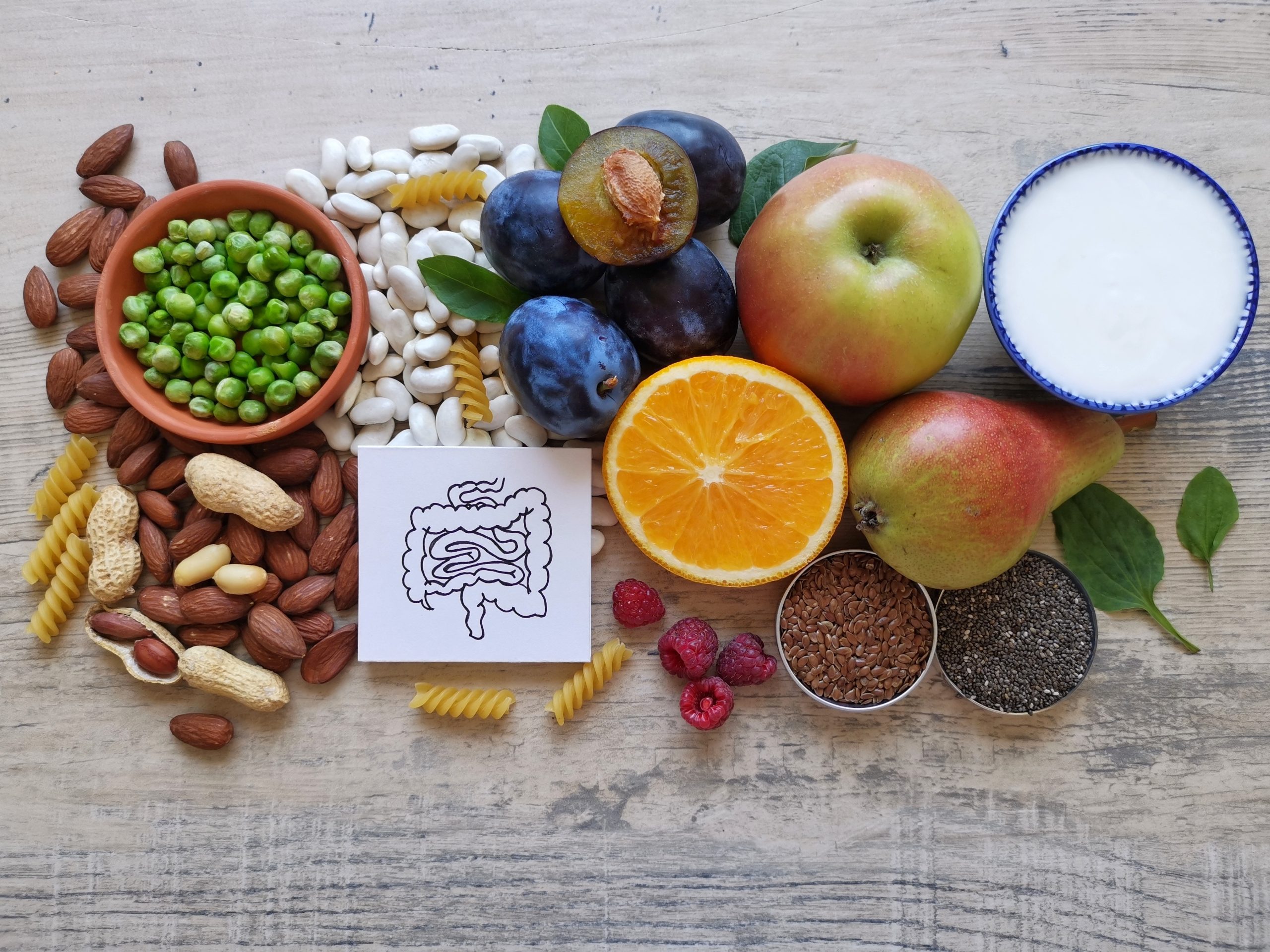

Six simple foods may quietly hold the power to dramatically lower your risk of colorectal cancer after 45—yet most Americans still ignore them, risking a fate that could be entirely preventable.
Story Snapshot
- Colorectal cancer risk surges after age 45, but strategic dietary changes offer substantial protection.
- New research pinpoints whole grains, fruits, vegetables, dairy (especially milk/yogurt), fish, and legumes as the most effective foods for reducing risk.
- Genetic studies (Mendelian randomization) now confirm that the link is not just correlation but causation for several food groups.
- Experts urge a shift from red and processed meats to these protective foods for adults over 45.
Six Foods That Could Rewrite Your Cancer Risk After 45
Adults crossing the age 45 threshold face a stark reality: colorectal cancer risk climbs sharply, turning routine dietary choices into high-stakes decisions. The latest cohort studies and genetic analyses now reach a rare consensus—six food groups consistently stand between you and a diagnosis. Whole grains, fruits, vegetables, dairy (milk and yogurt preferred), fish, and legumes have emerged as the most powerful weapons in your everyday arsenal, with evidence spanning thousands of participants in studies conducted from 2018 to 2024.
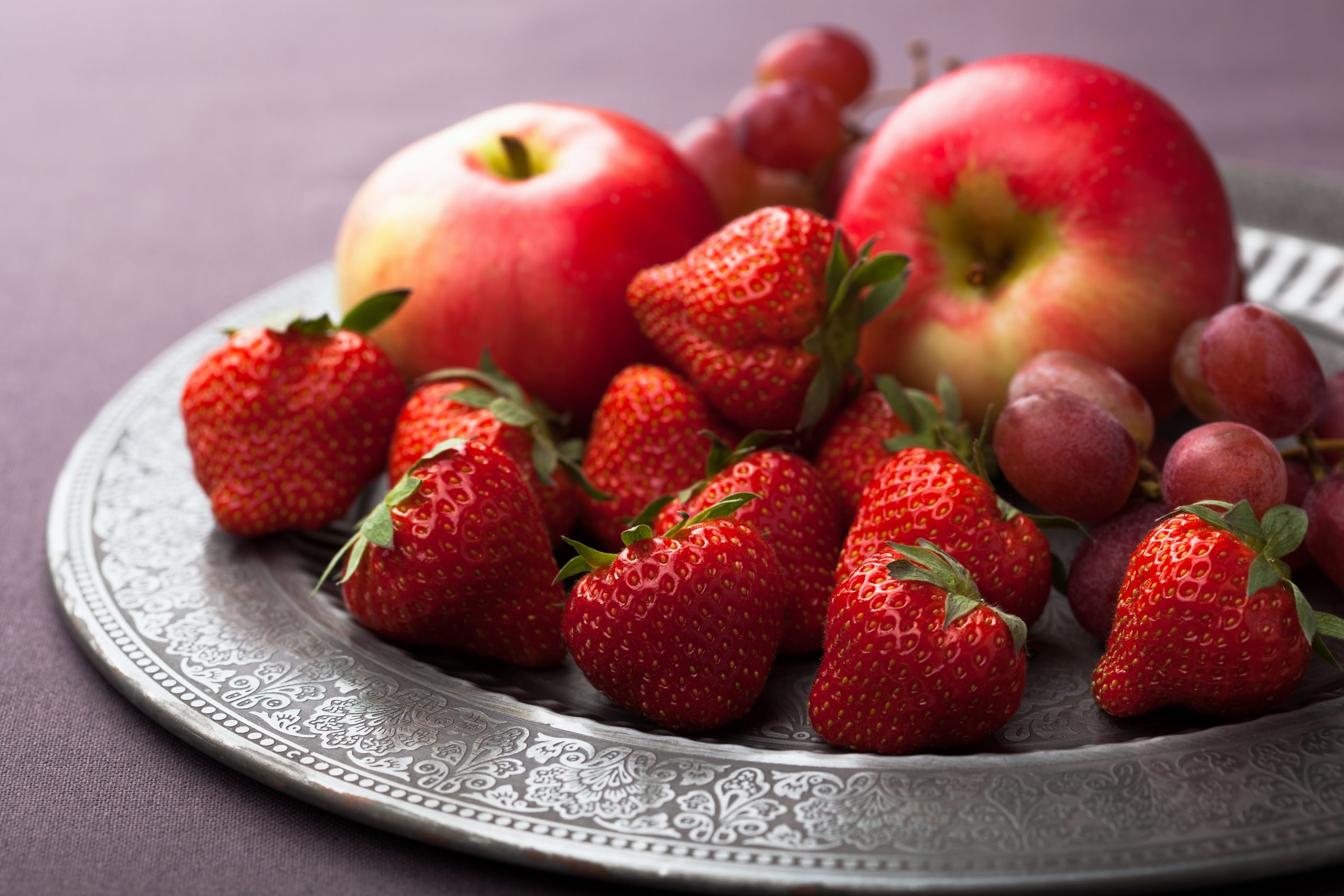
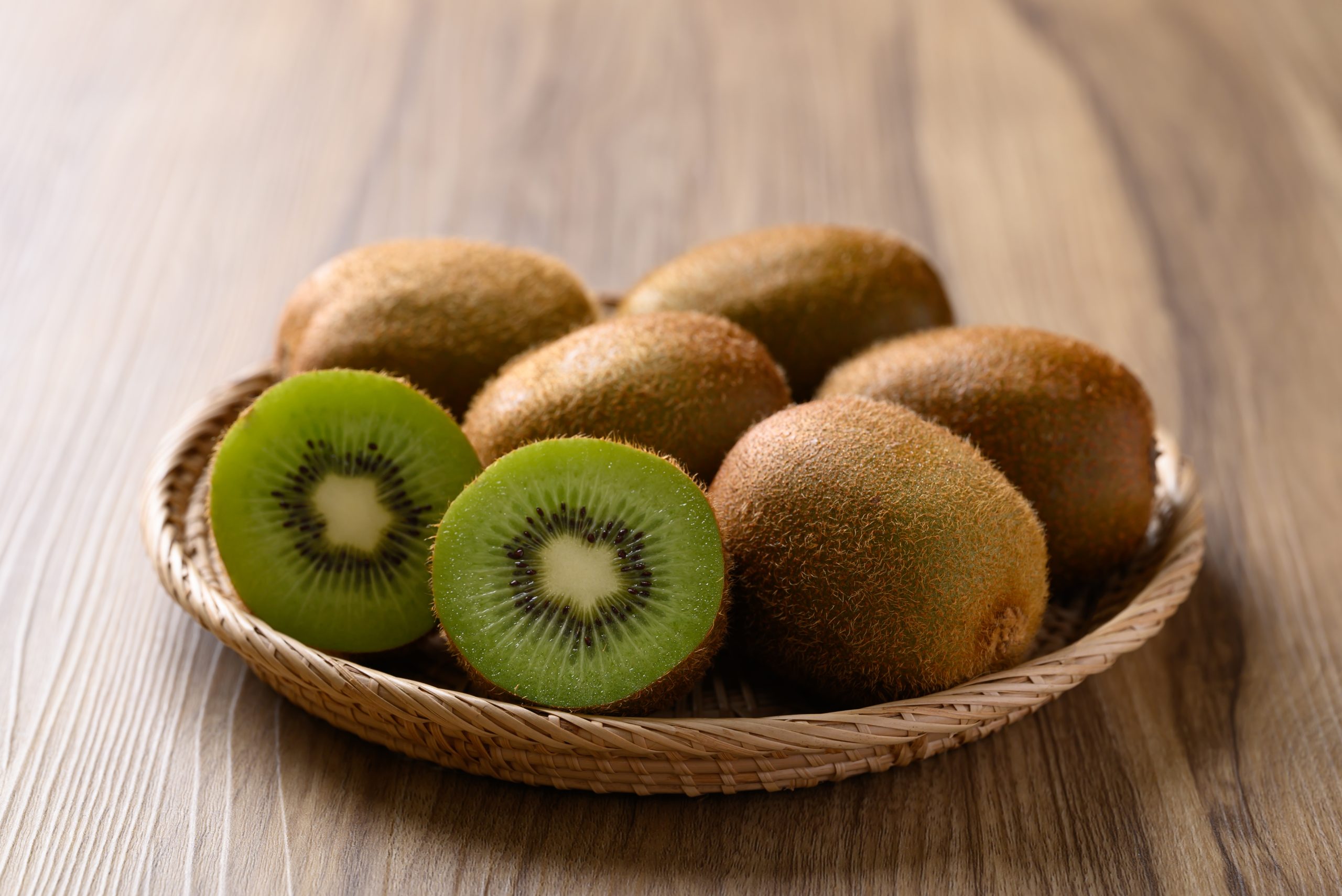
Whole grains deliver more than just fiber; they accelerate waste transit through the colon, reducing exposure to potential carcinogens. Fruits and vegetables carry antioxidants, vitamins (notably C and folate), and phytochemicals that help repair cellular damage and fight inflammation. Dairy’s protective effect, particularly from milk and yogurt, hinges on calcium’s ability to neutralize harmful bile acids and probiotic fermentation that tames inflammation. Fish brings omega-3 fatty acids, replacing red meat’s inflammatory triggers with anti-inflammatory nutrients. Legumes, often overlooked, offer plant protein, fiber, and micronutrients, rounding out the menu of prevention.
Why These Foods Matter More Than Ever
Western diets, heavy in red and processed meats and light on fiber, have fueled a rise in colorectal cancer rates—even among younger adults. The World Cancer Research Fund, American Cancer Society, and top academic researchers warn that without a radical shift toward these six foods, progress in prevention will stall. New genetic studies published in 2024 confirm the causal role for whole grains, fruit, vegetables, and dairy: people genetically predisposed to eat more of these foods have lower cancer rates, even after accounting for lifestyle confounders.
Not all dairy products are created equal; the evidence for cheese and ice cream remains inconsistent, while milk and yogurt consistently deliver risk reduction. Experts caution that population differences, like lactose intolerance in East Asia, may influence the protective effect, but the overall pattern is remarkably stable across the US and Europe.
Public Health, Policy, and Your Grocery List
Guidelines from the World Cancer Research Fund and American Cancer Society now explicitly call for increased intake of fiber, whole grains, and dairy, alongside reduced consumption of red and processed meats. This shift is more than academic—public health campaigns and colorectal cancer awareness initiatives increasingly focus on empowering adults over 45 to make these changes a central part of daily life. Healthcare providers, once hesitant to prescribe dietary interventions, now cite robust evidence from meta-analyses and Mendelian randomization studies to support their recommendations.
The long-term implications run deep: as more adults adopt these evidence-based diets, healthcare costs may fall, survival rates could improve, and the food industry will inevitably pivot toward supplying more whole grains, yogurt, and fresh produce. The economic benefits are matched by improved quality of life and longevity, making this more than just a personal health issue—it’s a societal opportunity.
Expert Debate and the Remaining Unknowns
While consensus builds around the six protective foods, experts continue to debate the magnitude of dairy’s effect and the role of plant-based diets. Some argue that vegetarian or pesco-vegetarian patterns offer even greater protection, though not all agree on excluding animal products entirely. The evidence for fish and legumes, while strong, remains slightly less robust than for whole grains and dairy, leading researchers to call for ongoing studies.
Nature Communications, JAMA, and the World Cancer Research Fund remain the gold standards for sourcing these recommendations, with findings buttressed by prospective cohort studies, meta-analyses, and genetic analyses. Uncertainties linger for certain dairy subtypes and population variations, but the broad strokes are clear: for adults over 45, these six foods are the foundation of any rational cancer prevention strategy.
Sources:
Nature Communications: Comprehensive Diet-wide Analysis
Rocky Mountain Cancer Centers: Diet and Colon Cancer Risk
Endoscopy Center of Red Bank: Nutritious Foods Lower Cancer Risk
University of Minnesota Cancer Center: Diet and Cancer Risk
NCBI: Dietary Factors and Colorectal Cancer
Prevent Cancer Foundation: Foods That Reduce Cancer Risk