
Three everyday nutrients slash your risk of blindness by 40% as you age, hiding in plain sight on your dinner plate.
Story Highlights
- Lutein, zeaxanthin, and beta-carotene form a natural shield in your retina against blue light and oxidative damage.
- Leafy greens like kale and spinach pack these carotenoids, cutting advanced macular degeneration risk dramatically.
- Eggs and colorful vegetables deliver the same eye-saving power without relying on pricey supplements.
- Studies confirm higher intake links directly to lower rates of cataracts, retinopathy, and vision loss.
- A rainbow diet sustains sharp vision into your golden years through simple, conservative food choices.
Carotenoids Build Your Eye’s Macular Pigment Defense
Lutein and zeaxanthin concentrate in the macula, the retina’s central zone responsible for sharp vision. These carotenoids absorb harmful blue light from screens and sunlight, preventing damage to photoreceptors. Beta-carotene converts to vitamin A, further bolstering retinal health. Together, they create macular pigment density that filters out 90% of damaging rays. Research tracks higher pigment levels in people who eat carotenoid-rich foods regularly.
Oxidative stress accelerates aging in eye tissues, sparking inflammation and cell death. Carotenoids neutralize free radicals, halting this cascade. Diets high in these nutrients show 40% lower risk for advanced age-related macular degeneration (AMD). Conservative eating prioritizes whole foods over supplements, aligning with common-sense prevention backed by long-term studies.
Watch:
Leafy Greens Deliver Lutein and Zeaxanthin Directly
Kale tops the list with 23 milligrams of lutein and zeaxanthin per 100 grams, far exceeding daily needs. Spinach follows closely at 12 milligrams, making salads a frontline defense. Swiss chard and collards provide similar boosts. Cooking these greens enhances bioavailability, releasing carotenoids for better absorption. Americans overlook these staples, yet they offer proven protection against AMD progression.
One cup of cooked spinach daily raises macular pigment significantly within weeks. Population studies link frequent green intake to halved cataract risk. This approach embodies self-reliance: grow your own kale or buy local, avoiding processed junk that conservatives wisely shun. Facts confirm greens outperform supplements for most people sustaining vision naturally.
Meet My Healthy Doc – instant answers, anytime, anywhere.
Eggs and Colorful Vegetables Round Out Protection
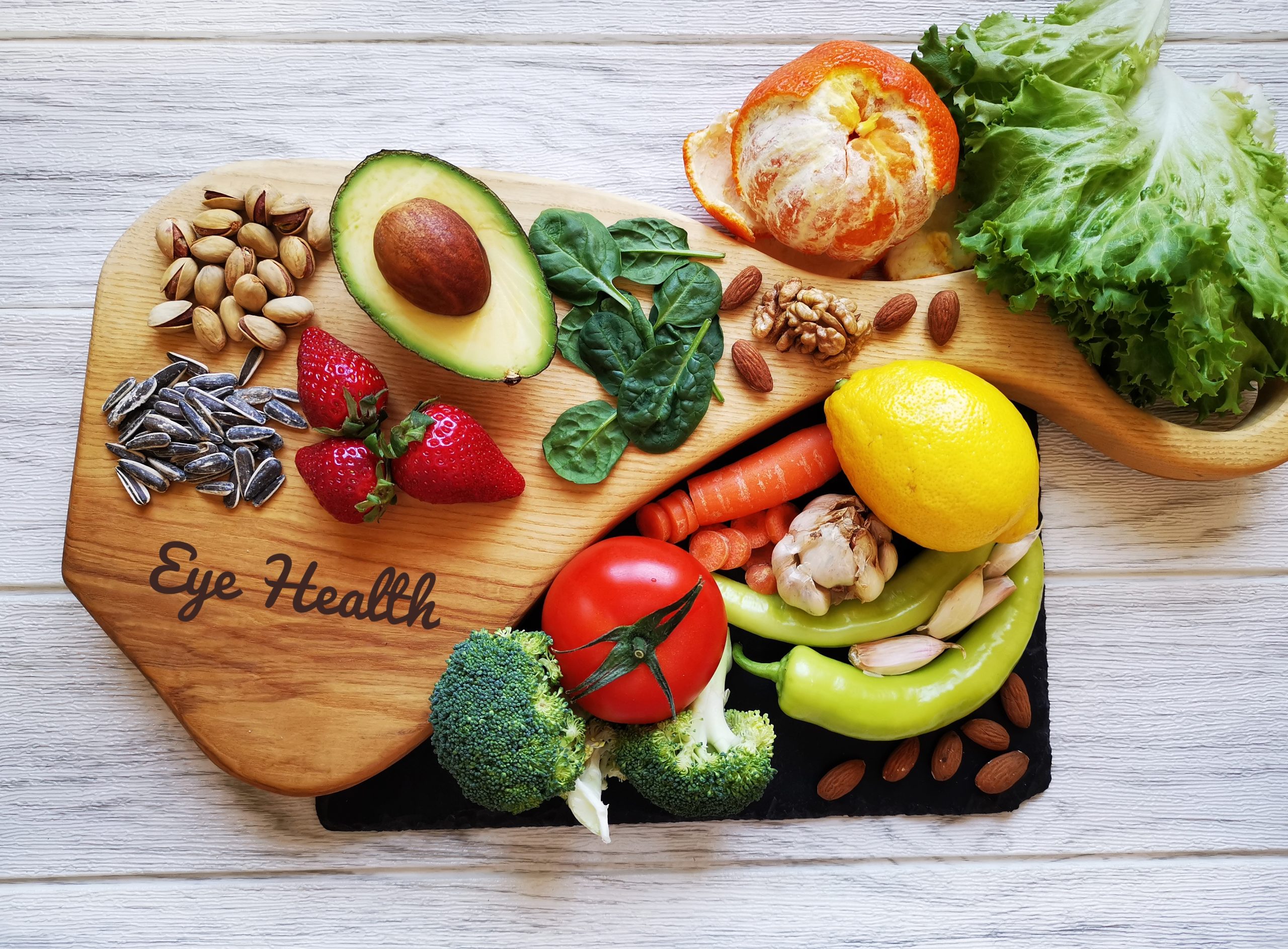
Egg yolks concentrate lutein and zeaxanthin in forms your body absorbs easily, with one yolk delivering 0.25 milligrams. Pair eggs with greens for synergistic effects. Beta-carotene shines in carrots, sweet potatoes, and bell peppers, converting efficiently to retinal-supporting vitamin A. Pumpkins and squash add variety without excess calories.
Diabetic retinopathy threatens millions, but carotenoid-rich diets curb vascular damage through anti-inflammatory action. Trials show 30% risk reduction from consistent veggie consumption. Supplements falter here; food sources provide steady delivery. Common sense favors farm-fresh produce over pills, preserving independence as eyesight holds strong.
Start your health journey now.
Rainbow Diet Sustains Vision Without Supplements
Combine greens, eggs, and orange veggies for comprehensive coverage. Studies across thousands prove 40% drop in late-stage AMD for top consumers versus lowest. Cataract surgery rates plummet with high carotenoid blood levels. No need for megadoses; 6-10 milligrams daily from food suffices for robust macular pigment.
This strategy fits busy 40+ lifestyles: toss kale in eggs, roast carrots weekly. Evidence dismisses supplement hype—dietary patterns yield lasting results. American values celebrate hearty, home-cooked meals fueling resilience against age’s toll. Start today; your clearest view tomorrow depends on tonight’s plate.
Your new health companion is online, ready when you are.
Sources: