
Your brain may have aged nearly half a year faster during the COVID-19 pandemic—even if you never caught the virus—and the most vulnerable Americans saw the biggest toll.
Story Snapshot
- Large-scale study found pandemic-era stress accelerated brain ageing by up to 20 months in some, averaging 5.5 months across the general population
- Accelerated brain ageing occurred even in people who never contracted COVID-19
- Older adults, men, and those from socioeconomically disadvantaged backgrounds were hit hardest
- Stress, isolation, and economic upheaval—not infection alone—drove changes with uncertain reversibility
Pandemic Stress Left Its Mark on the Brain—No Infection Required
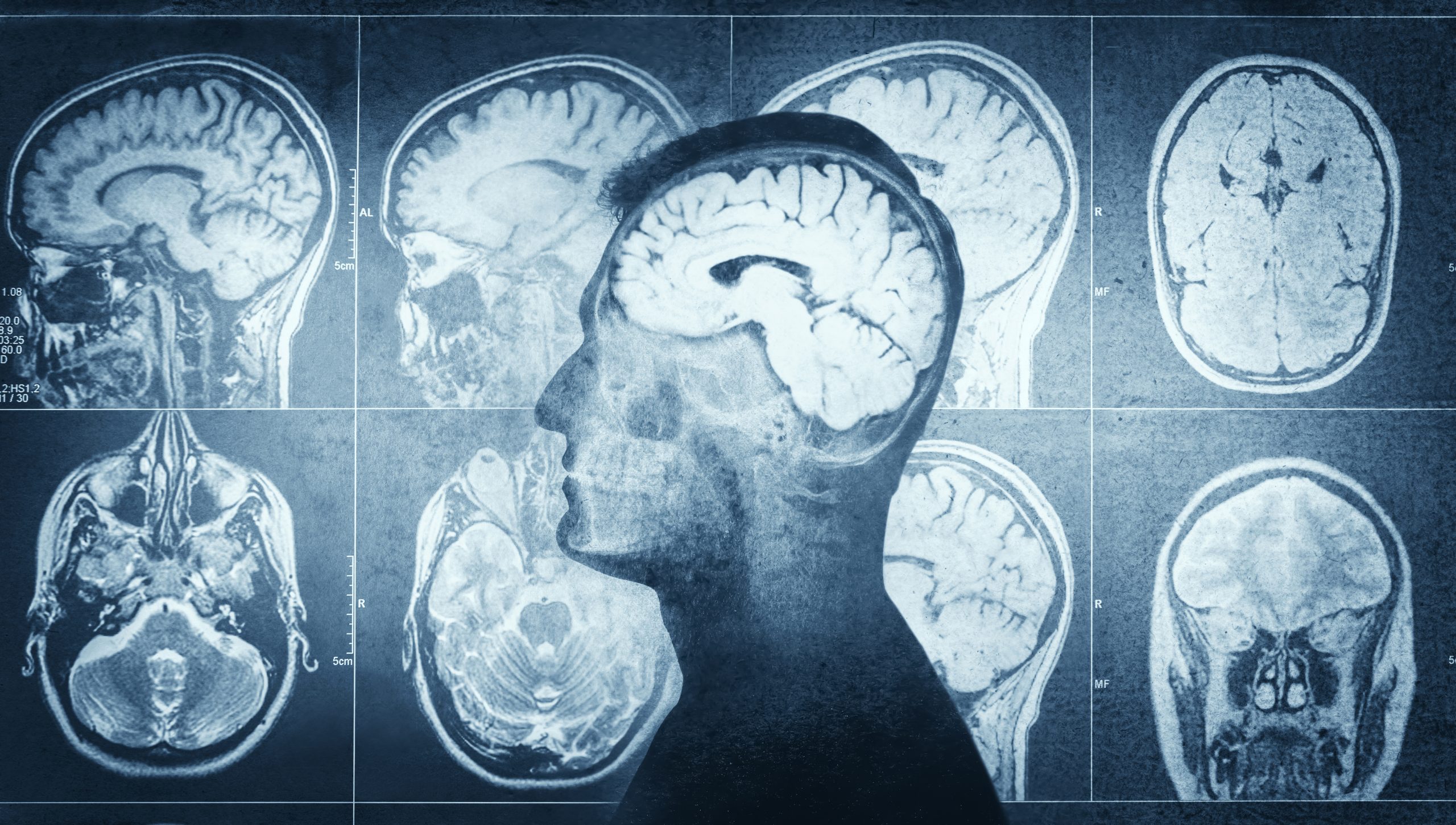
Researchers analyzing thousands of pre- and post-pandemic brain scans from the UK Biobank have confirmed a stunning finding: the COVID-19 pandemic aged the human brain faster, regardless of viral infection status. The average brain aged 5.5 months more than expected, but some individuals showed the equivalent of nearly two years of extra ageing. The numbers become more unsettling when considering that this phenomenon affected even those who dodged the virus entirely, pointing to the pandemic’s social and psychological upheaval as the culprit.
Social isolation, fear, and economic uncertainty became the new normal in 2020. The study’s lead researcher, Dr. Ali-Reza Mohammadi-Nejad, stated, “Even people who hadn’t had Covid showed significant increases in brain ageing rates. It really shows how much the experience of the pandemic… may have affected our brain health.” These findings, published in Nature Communications, upend the common wisdom that infection is the sole risk factor for pandemic-era cognitive decline. Instead, the lived experience of lockdowns and disruption emerges as a potent driver of neurological change.
Who Suffered Most: The Uneven Toll of Brain Ageing
The study’s revelations don’t stop at the average. Older adults, men, and those already facing socioeconomic adversity experienced the greatest acceleration in brain ageing. The compounding effect of existing disadvantage and pandemic stress created a perfect storm: men, who already face higher risk for cognitive decline, and those with fewer resources to buffer isolation or financial loss, appear especially vulnerable. Previous studies hinted at these patterns, but the pandemic’s scale has made them impossible to ignore.
Researchers used robust, longitudinal data—comparing baseline scans from before the pandemic with follow-ups after its onset—to control for confounding variables. This approach, bolstered by the UK Biobank’s rich dataset, means the disparities can’t be easily dismissed as statistical noise. The implication is clear: policy responses to future crises must account for deep-seated demographic and socioeconomic differences in resilience and risk.
How the Pandemic Changed the Cognitive Landscape
The acceleration of brain ageing isn’t just a matter of numbers on a scan; it carries real-world consequences. Neurologist Dr. Erik Perkins warns, “Accelerated brain aging in adults… can increase the risk of early-onset dementia. You want to keep your brain active by being socially, physically, and intellectually active. Unfortunately, the pandemic thwarted our ability to maintain these activities.” The cognitive impact was particularly pronounced in tasks demanding flexibility and processing speed, echoing the cognitive fog reported by many during this era.
With the pandemic now a case study in mass psychological and neurological disruption, public health leaders face pressing questions. Is the acceleration of brain ageing reversible? Some experts argue that lifestyle interventions—exercise, social connection, good sleep, and diet—could help restore cognitive health. Others urge caution, citing the persistent effects of chronic stress and the unknowns of long-term neurological change. What’s clear is that the crisis has rewritten the playbook for understanding, and protecting, brain health in times of societal upheaval.
Sources:
CIDRAP: Brains aged faster during COVID pandemic—even among uninfected, data suggest
NIH: Accelerated brain ageing during the COVID-19 pandemic
UNMC: Accelerated brain ageing during the COVID-19 pandemic
LA Times: Pandemic aged our brains faster, whether we got COVID or not, study says
Sharp Health News: Study finds COVID-19 pandemic caused accelerated brain aging