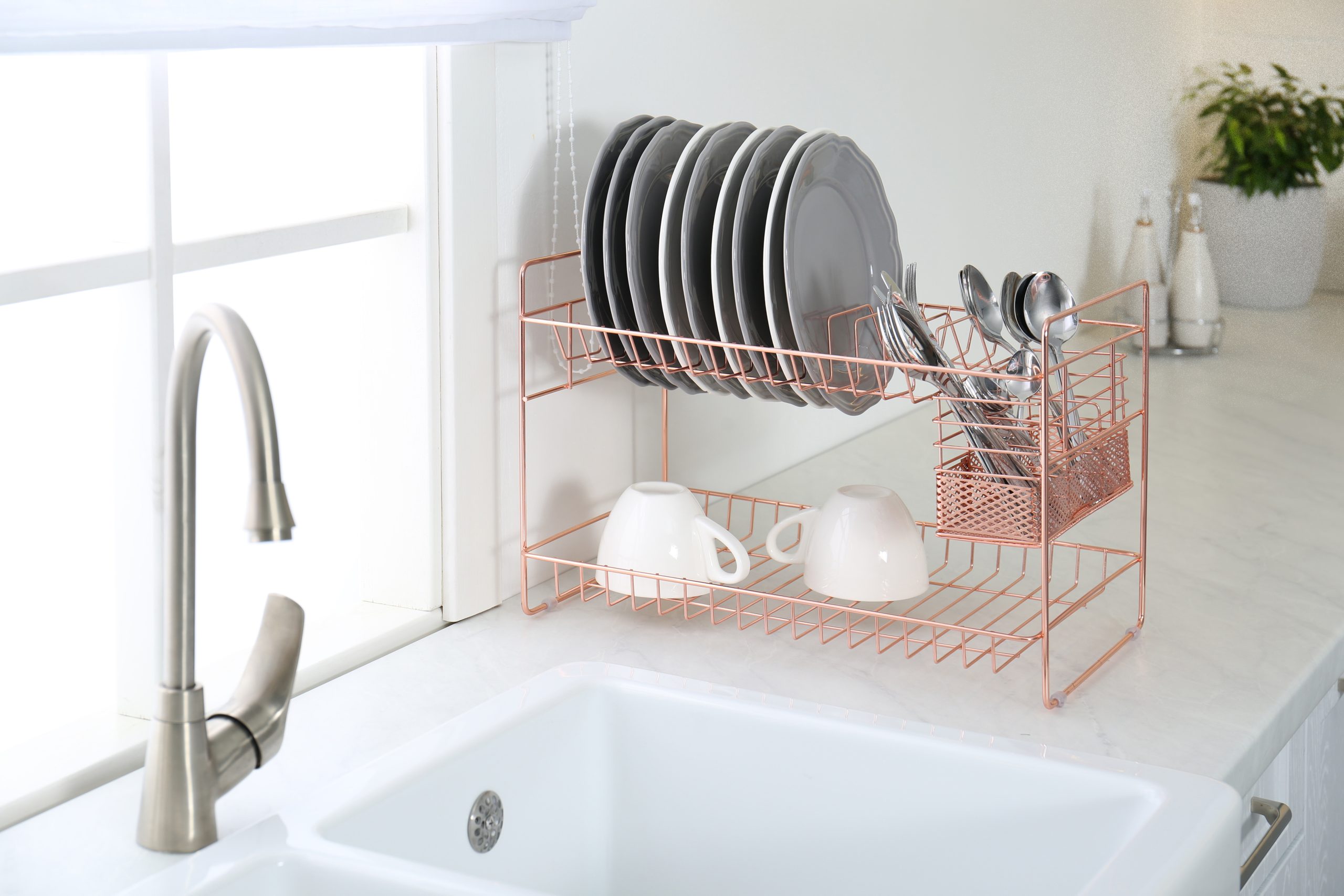

The dish drying rack in your kitchen could be the most dangerous thing you touch today—and chances are, you haven’t cleaned it since you can’t remember when.
Story Highlights
- Dish drying racks are among the most contaminated items in the home, yet rarely make it onto weekly cleaning lists.
- Microbiologists and cleaning experts agree: neglecting racks can directly increase your family’s risk of foodborne illness.
- Weekly cleaning with soap and sanitizing products is now the industry standard, but most households still fall short.
- Public health campaigns are shifting focus to hidden kitchen hazards, but consumer habits lag behind expert advice.
Neglected Danger: The Microbial Problem Hiding by Your Sink
Each time a plate or mug lands on the dish rack, it brings with it invisible hitchhikers—bacteria, mold, and sometimes dangerous pathogens. Studies have shown that, much like sponges and dishcloths, racks can harbor E. coli, Salmonella, and Staphylococcus aureus if not cleaned regularly. Moisture and food particles create the perfect storm for microbial growth, transforming your “clean” dishes’ resting place into a risky reservoir. The science is clear: racks ignored for weeks can become a prime site for germ transfer, especially in homes with kids, elderly, or anyone immunocompromised.
Despite these findings, surveys reveal most Americans only clean their dish racks occasionally, if at all. Research published in peer-reviewed journals highlights a consistent trend: people focus on what they can see—countertops, stovetops, handles—while racks blend into the background. This oversight is not minor. According to experts, a rack left unwashed can quickly become more contaminated than your kitchen sponge, and sponges are already notorious for their microbial load.
From Research to Real Life: How the Experts Clean (and Why You Should Too)
Professional cleaning companies, such as Philadelphia Scrubs, now include dish racks on their weekly checklists, echoing the advice of microbiologists and public health agencies. The CDC and FDA have stopped short of mandating rack cleaning but strongly recommend including it in kitchen hygiene routines. Their reasoning is grounded in common sense and hard science: if you’re drying clean dishes on a dirty rack, you undermine every other cleaning effort.
Food safety researchers draw direct lines between overlooked surfaces and outbreaks of illness. One pivotal study found that as cleaning frequency drops, contamination climbs, but also noted that how you clean matters as much as how often. Soap and hot water are effective; so are commercial sanitizing sprays. Bleach solutions work, but must be used carefully. Experts remain split on whether daily or weekly cleaning is best, but all agree: “never” is not an option.
Behavioral Blind Spots: Why Smart People Still Forget the Dish Rack
Why do so many otherwise responsible adults ignore their dish racks? Part of the answer lies in habit and psychology. Kitchen hygiene priorities are shaped by visible messes and urgent smells, not invisible threats. After the heightened focus on handwashing and sanitizing during the pandemic, one would expect more vigilance—but old habits return as urgency fades.
Media, cleaning influencers, and product companies are working to change this. Recent years have seen a surge in public health messaging about hidden kitchen hazards. Still, consumer surveys and direct observation confirm that dish racks remain neglected in most homes, an Achilles’ heel in even the most fastidious kitchens. The gap persists between what experts advise and what people actually do, a classic case of knowledge not translating into action.
The Economics and Future of Clean: What Happens When Habits Change
There are immediate benefits to a cleaner dish rack: fewer germs on your dishes, lower risk of stomach bugs, and a safer environment for everyone, especially the young and elderly. Long-term, public health experts argue that better home hygiene could reduce healthcare costs by cutting down on preventable illness. The cleaning industry has responded with new products—antimicrobial racks, easy-to-disassemble designs, and sprays promising hospital-grade sterilization.
As kitchen science advances, so too does consumer awareness—albeit slowly. The next frontier may be “smart” racks that signal when they need cleaning, or public health campaigns targeting this overlooked risk. Until then, the responsibility falls to the person who does the dishes. The evidence is in: your dish rack deserves a regular date with soap and sanitizer, not just for appearances, but for the health of your home.
Sources:
ActivePure: 6 Surprising Facts About Kitchen Microbes and Cleaning Tips