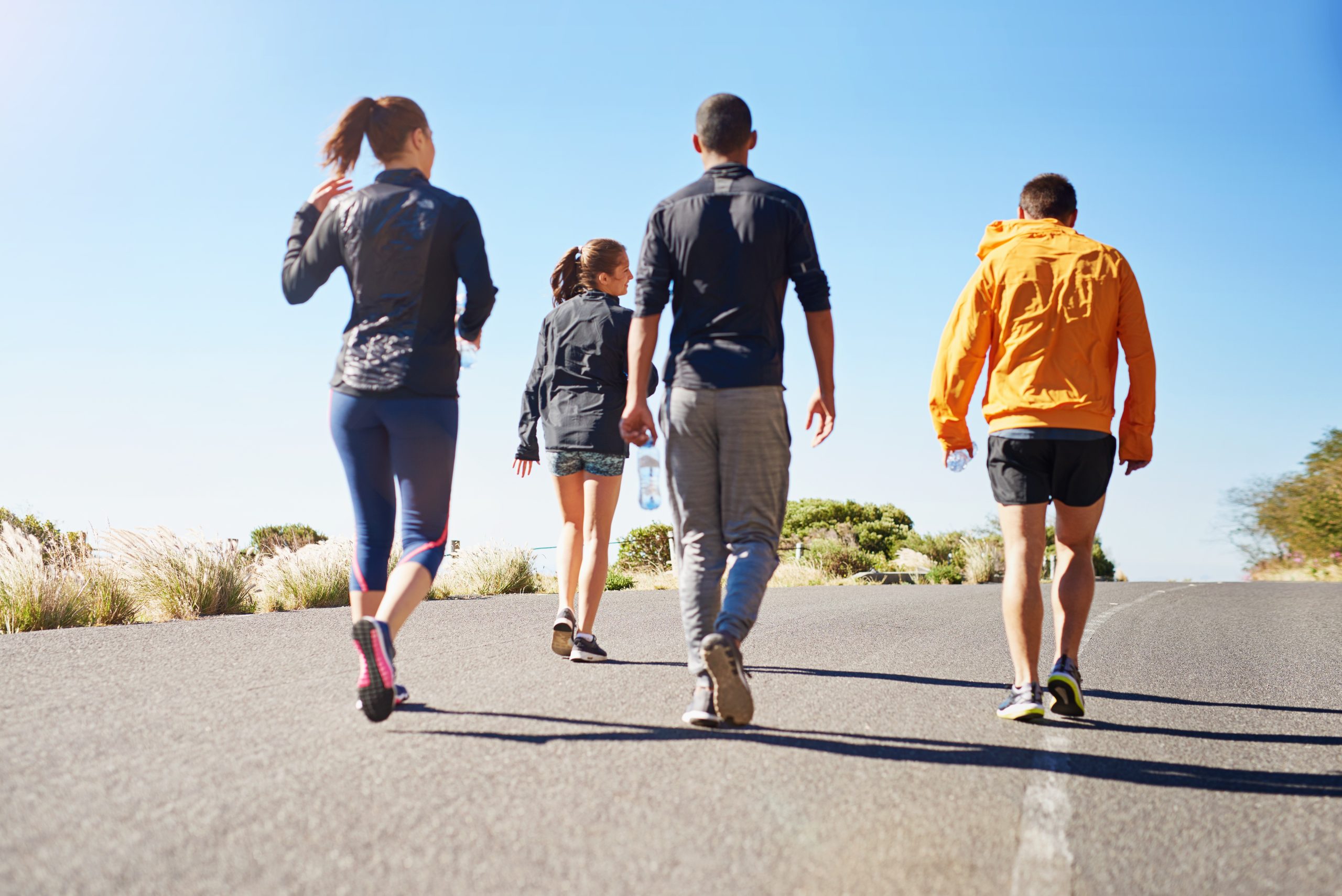

A simple 5-minute stroll after dinner could slash your blood sugar spike by more than half, and the timing of when you lace up those shoes matters far more than you might imagine.
Story Snapshot
- Just 5 to 10 minutes of walking after meals can reduce post-meal blood sugar spikes by 36-64% across all diabetes statuses
- Timing is critical—walking immediately or within 30-60 minutes post-meal is dramatically more effective than waiting longer
- Recent meta-analyses of seven studies confirm short walks outperform sitting or standing for glucose control
- Benefits extend beyond blood sugar to weight loss, cardiovascular health, and reduced diabetes progression without cost or equipment
The Window of Opportunity Closes Fast
Blood glucose peaks 30 to 90 minutes after you finish eating, creating a narrow window where intervention matters most. UCLA Health researchers analyzed seven studies and discovered that even a 5-minute walk during this critical period moderates blood sugar levels in people with normal glucose, prediabetes, or Type 2 diabetes. The magic lies not in marathon sessions but in strategic timing—your muscles act as glucose sponges when activated right as carbohydrates flood your bloodstream. Walk too late, and you’ve missed the spike. Walk immediately, and you intercept it before insulin surges trigger the metabolic cascade that promotes fat storage and vascular damage.
Watch:
From Japanese Labs to Global Guidelines
The science behind post-meal walking emerged from Japanese experiments between 2002 and 2006, when researchers first documented how immediate walking after meals limits glucose peaks through muscle uptake. A pivotal 2013 study in Diabetes Care validated that three 15-minute walks controlled hyperglycemia in older adults, but recent meta-analyses have slashed that prescription dramatically. By 2023, institutions like UCLA and Cleveland Clinic confirmed that 2 to 10 minutes delivers measurable results. A New Zealand study cemented the 10-minute mark as optimal, showing it reduces daily glucose more effectively than walking at other times. This evolution reflects a practical shift—shorter durations remove barriers to adoption while preserving benefits.
The Mechanism Behind Muscle Magic
Walking after eating works through elegant biological simplicity. When you move, skeletal muscles demand fuel and pull glucose directly from your bloodstream independent of insulin, bypassing the hormonal bottleneck that causes insulin resistance. This dual-action approach—lowering glucose while improving insulin sensitivity—explains why studies show post-meal walks reduce spikes by 36% compared to sitting. Cleveland Clinic endocrinologist Dr. Knapp emphasizes that glucose levels hit their highest point 30 to 90 minutes post-meal, making that interval the battleground. Standing helps modestly, but only walking engages enough muscle mass to meaningfully drain circulating sugar before it triggers insulin’s role as what early researchers called an “obesity hormone.”
Who Benefits and How Much
The research spans 463 million adults globally living with diabetes or prediabetes, but the intervention proves universally effective across metabolic statuses. Diabetics gain tighter glucose control, prediabetics slow disease progression, and healthy adults prevent future insulin resistance. Older populations, who face exaggerated postprandial hyperglycemia, saw particular success in the 2013 trials with 15-minute bouts. Long-term implications extend beyond blood sugar—participants in Japanese trials lost 1.5 to 3 kilograms monthly while reducing cardiovascular event risks. The American Diabetes Association endorses the practice through clinical channels, noting that even 2 to 5 minutes delivers a measurable glucose bump downward, though experts caution it complements rather than replaces dietary management or medication.
Practical Application Versus Perfect Execution
Shield Medical Group recommends 10 minutes at a gentle pace post-main meals as the sweet spot, but perfection isn’t required. Non-brisk walking works, though some studies suggest brisk pacing enhances benefits. The walk needn’t be outdoors—marching in place, pacing your home, or strolling a hallway counts. Consistency matters more than intensity. Cleveland Clinic warns that over-exertion risks hypoglycemia in patients on glucose-lowering medications, requiring doctor consultation before starting. Standing offers inferior results, and walking at non-meal times lacks the same impact. The consensus across peer-reviewed sources is clear: start as soon as possible after eating, aim for 5 to 10 minutes, and repeat after each major meal for cumulative daily benefits.
The Economic and Cultural Shift
Post-meal walking represents a philosophical pivot in diabetes management from pharmaceutical dependency to lifestyle empowerment. With global diabetes spending nearing $966 billion annually, this free intervention promotes health equity—no gym membership, no equipment, no copays. Medical organizations now routinely prescribe walks alongside pills, acknowledging that accessible habits often outperform expensive therapies in real-world adherence. The practice shifts responsibility to patients in a positive sense, offering immediate control over a condition that typically feels overwhelming. Small trials and short durations limit the research slightly, and pediatric data remains sparse, but the adult evidence base is robust enough that UCLA, Cleveland Clinic, and the American Diabetes Association align in their endorsements. The message is liberating: managing blood sugar doesn’t require heroic effort, just a brief stroll when it counts most.
Sources:
Taking a Walk After Eating Can Help with Blood Sugar Control – UCLA Health
Post-Meal 10 Minute Walk to Lower Blood Sugar Benefits – Shield Medical Group
Postprandial Walking and Glucose Control – PMC
Walking After Eating – Cleveland Clinic
Walking After Meals: Small Habit, Big Metabolic Gains – News Medical
Three 15-min Bouts of Moderate Postmeal Walking – Diabetes Care