
A fifteen-minute surgery exists that could restore sight to 17 million blind people, yet half the world’s cataract sufferers can’t get it.
Story Snapshot
- 94 million people worldwide suffer from cataracts, with 17 million completely blind from the condition
- The World Health Organization reports nearly half of those facing cataract blindness still lack access to surgery despite it being one of the most cost-effective medical procedures
- In Africa, three in four people needing cataract surgery remain untreated, while women globally face disproportionately lower access than men
- Current progress toward the 2030 goal of 30% increased surgical coverage is falling short, with projections showing only 8.4% improvement this decade
- Without intervention, 1.8 billion people will live with untreated vision impairment by 2050, costing the global economy $411 billion annually
The Blindness No One Should Suffer
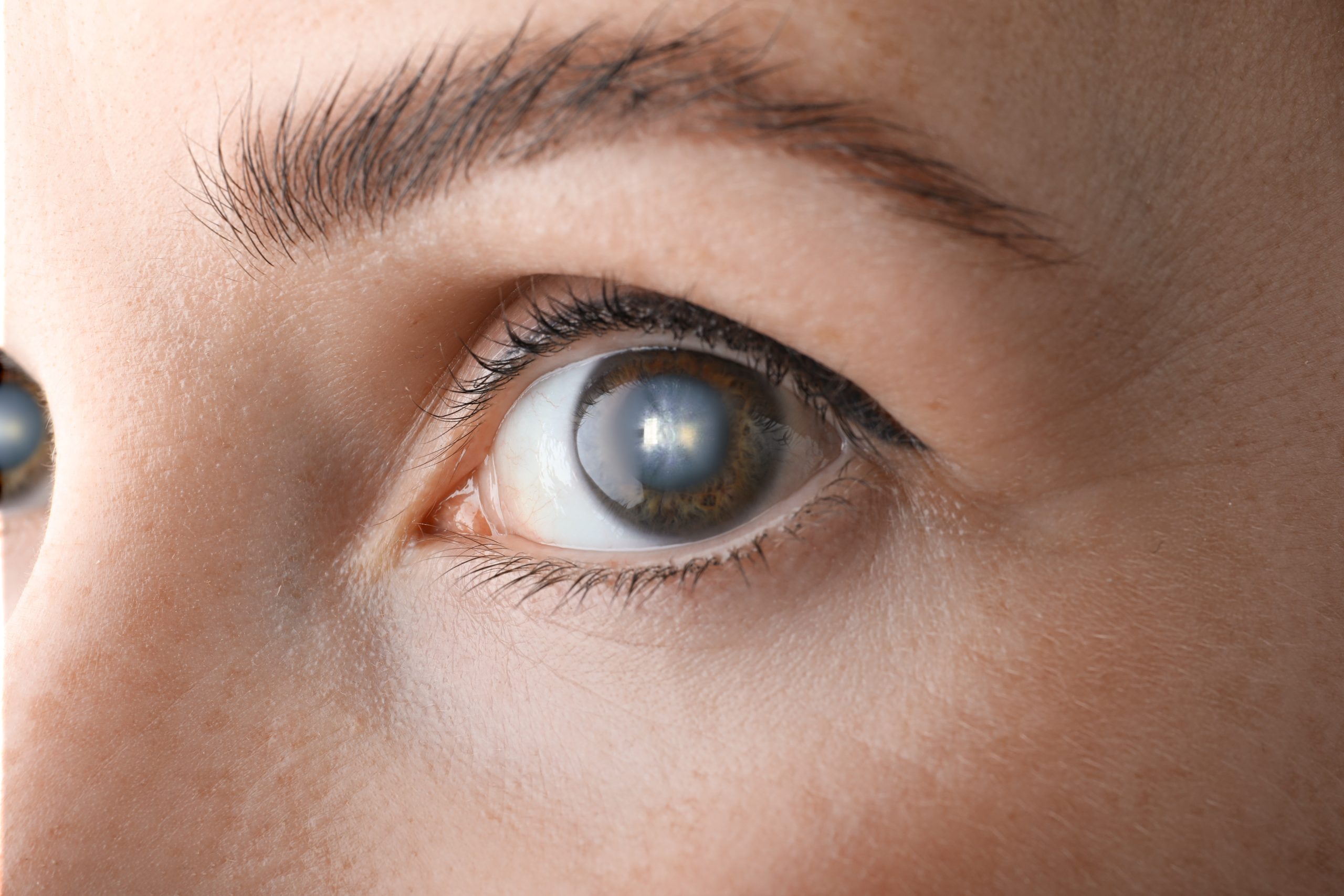
Cataracts account for 51% of world blindness, a staggering statistic made more troubling by a simple truth: the condition is entirely treatable. The clouding of the eye’s lens that characterizes cataracts has plagued humanity across all regions and income levels, but the solution has existed for decades. A routine fifteen-minute surgical procedure can restore sight completely. Yet the World Health Organization’s February 2026 announcement reveals a healthcare crisis hiding in plain sight—94 million people suffer from cataracts, and nearly half facing blindness from the condition cannot access the surgery that would save their vision.
Watch:
When Solutions Exist But Remain Out of Reach
The numbers tell a story of medical paradox. Between 1990 and 2021, total cataract cases exploded from 32.8 million to 82.2 million, a 150% increase. Disability-adjusted life years attributable to cataracts doubled from 2.5 million to 5.2 million during the same period. Population aging drives much of this surge, with the burden peaking among individuals aged 70 to 74. Global surgical coverage has increased by approximately 15% over the past two decades, a seemingly positive development until you consider that population growth and aging have outpaced this progress dramatically.
The WHO set an ambitious target through the World Health Assembly: a 30% increase in effective cataract surgical coverage by 2030. Current modeling from 68 countries analyzed in 2023-2024 predicts coverage will rise by only 8.4% this decade. The math is unforgiving. At the current trajectory, millions will remain unnecessarily blind while a proven treatment sits beyond their reach. The research published in The Lancet Global Health makes clear that the barrier isn’t medical science—it’s access.
Geography Determines Who Sees and Who Doesn’t
Regional disparities reveal the true dimensions of this crisis. In South Asia, cataracts contribute to 62.9% of age-standardized blindness prevalence. Southeast Asia and Oceania see cataracts accounting for 47.9% of blindness. But the African Region faces the most severe gap—three in four people needing cataract surgery go without it. The workforce imbalance explains much of this inequity. High-income countries average 76 ophthalmologists per million people. Parts of sub-Saharan Africa have one ophthalmologist per million people. This seventy-six-fold difference in medical capacity creates a permanent underclass of the needlessly blind.
Low and middle-income countries bear 90% of the world’s untreated vision impairment burden. Rural populations fare worse than urban dwellers. Ethnic minorities experience disproportionate rates of vision loss. The pattern is consistent: those with the least resources face the greatest suffering from a condition with a straightforward cure. Devora Kestel, WHO Director for Noncommunicable Diseases and Mental Health, stated the obvious and the tragic: “When people regain their sight, they regain independence, dignity, and opportunity.” The corollary hangs unspoken—when denied sight restoration, they lose all three.
Got a health question? Ask our AI doctor instantly, it’s free.
The Gender Blindness Gap
Women represent 60% of those blind from cataracts and 59% of those with moderate to severe vision impairment from the condition. For every 100 men living with blindness, 108 women are affected. For moderate to severe vision loss, the ratio climbs to 112 women per 100 men. This isn’t biology—it’s systematic inequity. Socioeconomic factors and reduced access to care drive this disparity. In regions where women already face barriers to healthcare, education, and economic opportunity, cataract blindness compounds every disadvantage. The loss of vision doesn’t just affect an individual; it ripples through families and communities where women often serve as primary caregivers and economic contributors.
One in two people facing cataract blindness still lack access to life-changing surgery.
— World Health Organization South-East Asia (@WHOSEARO) February 11, 2026
Ending unnecessary blindness from cataract is achievable. We must accelerate action now.
🔗Read more: https://t.co/tdVUMxlrQN#EyeHealth #UniversalHealthCoverage #HealthForAll pic.twitter.com/0yVkouOvMq
The economic impact of untreated cataracts extends beyond individual suffering. Loss of productivity, reduced earning potential, and increased healthcare costs for managing complications create a cascading economic burden. Addressing preventable sight loss could generate global economic benefits of $411 billion annually, according to WHO estimates.
Chat safely, anytime, with My Healthy Doc.
The 2050 Reckoning
Without additional investment and restructured health systems, projections show 1.8 billion people will live with untreated vision impairment by 2050. The vast majority—90%—will reside in low and middle-income countries. This isn’t inevitable. Over 90% of vision loss could be prevented or treated with existing, highly cost-effective interventions. The question isn’t whether we have the medical knowledge or surgical techniques. The question is whether global health systems will prioritize eye health investment, expand workforce training in underserved regions, and address the gender and geographic inequities that leave millions in preventable darkness.
Meet My Healthy Doc – instant answers, anytime, anywhere.
Sources:
Global estimates on the number of people blind or visually impaired by cataract
Cataract Remains Leading Global Cause of Blindness
One in two people facing cataract blindness need access to life-changing surgery
Low-Income Countries Face Highest Cataract Burden
Vision loss could be treated in one billion people worldwide