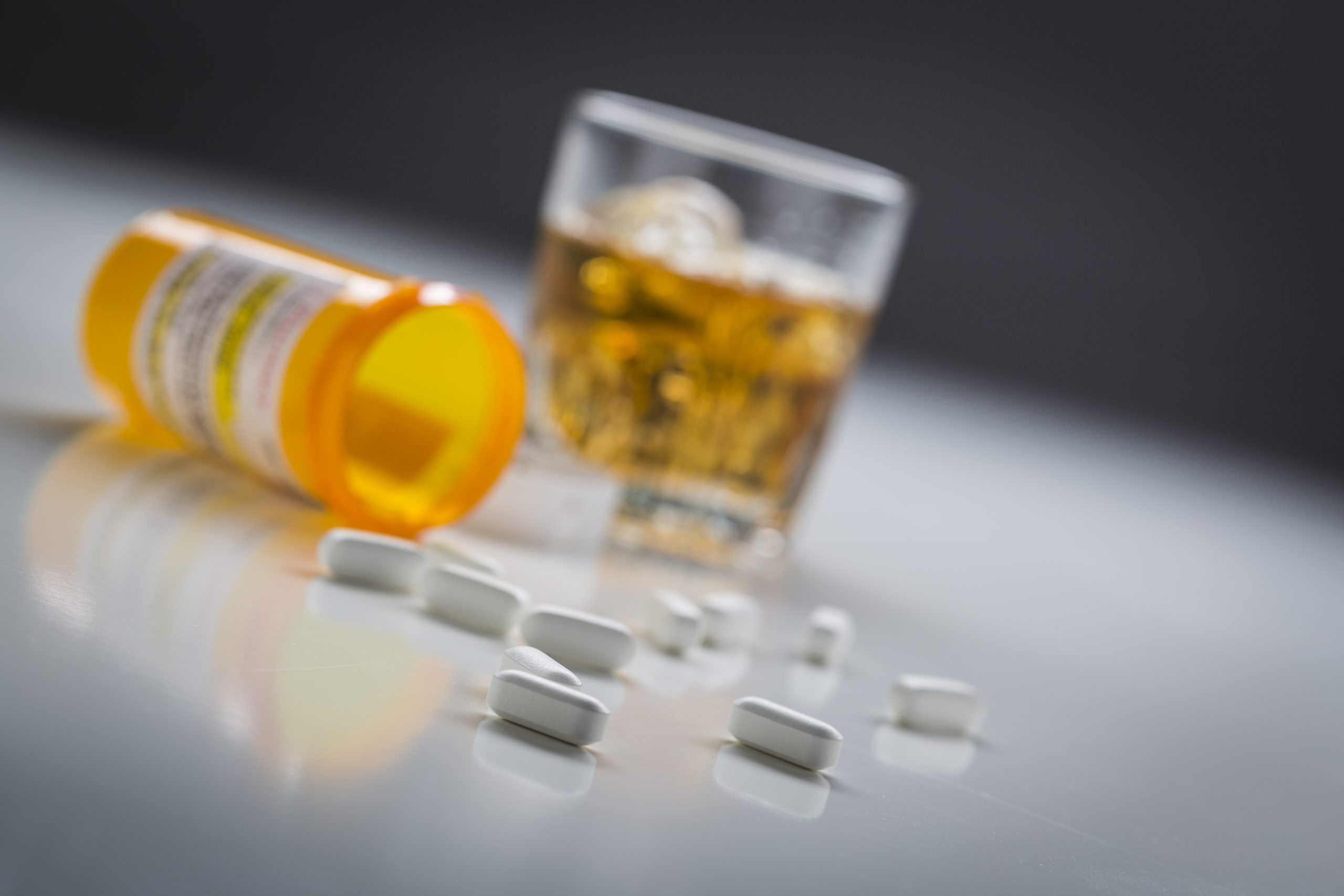

The warning label on your pill bottle isn’t just a legal formality—it’s a flashing red light on the dashboard of your health, backed by decades of science and too many tragic headlines to ignore.
Story Snapshot
- Mixing alcohol with common medications can trigger deadly or disabling reactions—sometimes from just one drink.
- Roughly 40% of American adults have combined alcohol with at least one medication, despite warnings.
- Risks are amplified for older adults, who are more likely to take multiple prescriptions and experience severe side effects.
- Regulatory agencies and medical experts urge routine screening and clear patient education to prevent avoidable harm.
Warning Labels Aren’t Optional: The Science Behind the Caution
Pharmacies across America are required by law to slap warning stickers on countless prescription bottles, alerting patients not to mix their medicine with alcohol. This isn’t bureaucratic overkill. The science is sobering: alcohol can hijack the way the body metabolizes medications—either ramping up their effects to dangerous levels or blunting their benefits when you need them most. For decades, research has documented two main ways these interactions wreak havoc: pharmacokinetic (changing how drugs are absorbed or broken down) and pharmacodynamic (amplifying or altering the drug’s impact on your brain and body). A tragic milestone came in 2005, when the painkiller Palladone was yanked from the market after patients died from lethal alcohol-drug interactions, cementing the medical community’s resolve to take this threat seriously.
Alcohol’s reach is both broad and unpredictable. Pain relievers like acetaminophen can quietly double the workload on your liver, raising the risk of silent but permanent damage. Blood thinners such as warfarin may swing from ineffective to dangerously potent with just a glass of wine. CNS depressants—think sleeping pills, anxiety meds, and antipsychotics—can turn a nightcap into a recipe for respiratory failure, falls, or overdose. Even antibiotics aren’t immune; drugs like metronidazole can trigger violent nausea, headaches, or heart palpitations when mixed with alcohol. The upshot: every drug class has its own hazards, and sometimes the only warning sign is the label itself.
The Ticking Clock: Why This Issue Won’t Go Away
Polypharmacy is on the rise, especially among Americans over 60, who routinely juggle five or more prescriptions. Add to this the cultural normalization of social drinking, and you have a perfect storm. The National Institute on Alcohol Abuse and Alcoholism estimates that nearly 40% of U.S. adults have combined alcohol with at least one medication. The fallout is as predictable as it is preventable: spikes in ER visits for falls, blackouts, overdoses, and cardiac events, particularly in the elderly and those with chronic illnesses. Despite decades of warnings, new studies show that risky combinations are just as common—and dangerous—as ever.
Healthcare providers are on the front lines, tasked with more than just writing prescriptions. Physicians and pharmacists must now act as educators, screening patients for alcohol use and counseling them about hidden risks. Regulatory agencies like the FDA and CDC have escalated their warnings, pushing for stronger labeling, better patient outreach, and mandatory provider training. Meanwhile, pharmaceutical companies face mounting pressure to research, report, and clearly communicate drug-alcohol hazards, especially as new medications hit the market.
Who Pays the Price? The Human and Economic Toll
The consequences of ignoring those little orange stickers ripple far beyond the individual. On a personal level, an ill-timed drink can cost someone their independence, job, or even their life. Families shoulder the burden of caregiving after preventable falls or overdoses, while communities grapple with higher healthcare costs and lost productivity. On a national scale, billions are spent treating complications that could have been avoided with clear communication and a moment’s caution. The elderly, those with chronic illnesses, and people managing mental health conditions pay the steepest price—but no age or demographic is immune.
Experts agree: the only “safe” approach is to heed the label and consult your healthcare provider before pouring a drink. While some advocate for nuanced guidance—arguing, for example, that not every medication is equally risky with alcohol—the consensus is clear for high-risk groups. The push is now for more robust screening, targeted education campaigns, and ongoing research to close the gaps in our understanding of specific drug-alcohol interactions. Until then, those warning labels remain your best line of defense.
Sources:
PMC: Alcohol and Medication Interactions
NIAAA: Alcohol-Medication Interactions
US Pharmacist: Drug-Alcohol Interactions
American Addiction Centers: Mixing Alcohol and Stimulants
Age and Ageing: Alcohol–medication interactions and falls in older adults