
The carbs you choose in your 40s, 50s, and beyond can quietly decide whether you spend old age hiking with friends—or managing doctor’s appointments.
Story Snapshot
- High-quality carbs from whole foods raise women’s odds of healthy aging by roughly one third
- Refined carbs and added sugars measurably lower the chance of staying disease-free and sharp
- Fiber density and glycemic impact matter more than “low carb” labels
- Women can shape brain, heart, and metabolic health decades ahead with small, strategic swaps
Why Carb Quality Quietly Shapes How Women Age
Researchers tracking women over many years keep finding the same pattern: women who eat most of their carbohydrates from whole grains, fruits, vegetables, and legumes are dramatically more likely to reach older age without major chronic disease and with strong physical and cognitive function. That advantage is not subtle. The data point to about a 37% higher chance of “healthy aging” when most carbs come from minimally processed, fiber-rich sources instead of from white flour, sweets, and sugary drinks.
Healthy aging in these studies means far more than avoiding a single diagnosis. It typically bundles together four outcomes: no major chronic illnesses like heart disease, diabetes, or cancer; preserved mobility and physical function; good cognitive performance; and stable mental health with low depression or anxiety. Women who rely heavily on refined grains, added sugars, and starchy “comfort carbs” like fries and chips do worse across that entire bundle, with roughly a 13% lower chance of aging well compared with women whose plates lean heavily on whole-plant carbohydrates.
Watch:
Got a health question? Ask our AI doctor instantly, it’s free.
Fiber Density And Glycemic Load Beat “Low Carb” Fads
Carbohydrates work as a health lever because of how they move blood sugar, insulin, and inflammation over thousands of meals. Whole-plant carbs come wrapped in fiber, water, and micronutrients that slow digestion and flatten glucose spikes. Refined carbs hit the bloodstream quickly, prompting higher insulin surges and more oxidative stress. When researchers run the numbers, they find that higher total fiber intake—especially from produce and legumes—is one of the strongest predictors of better aging outcomes in women.
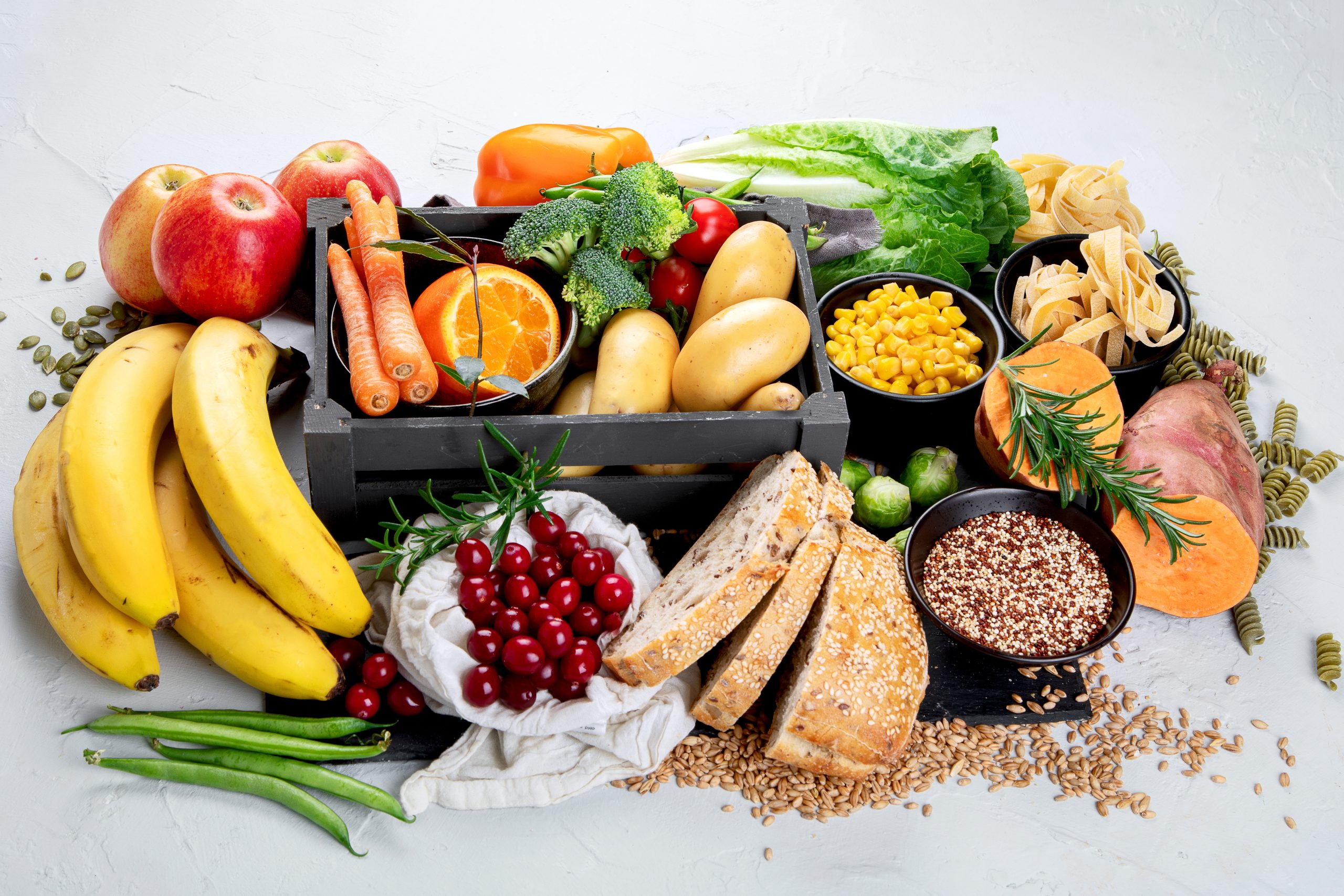
Glycemic index and fiber-to-carb ratio offer a practical way to sort the good from the harmful. Low-glycemic foods digest more slowly and trigger smaller blood sugar rises. A high fiber-to-carb ratio means a bigger fraction of each gram of carbohydrate comes with a built-in “brake.” Lentils, chickpeas, black beans, steel-cut oats, berries, apples with the skin, and fibrous vegetables like broccoli or Brussels sprouts all combine relatively modest glycemic impact with substantial fiber payloads.
Start your health journey now.
The Carbs That Work For Women, Not Against Them
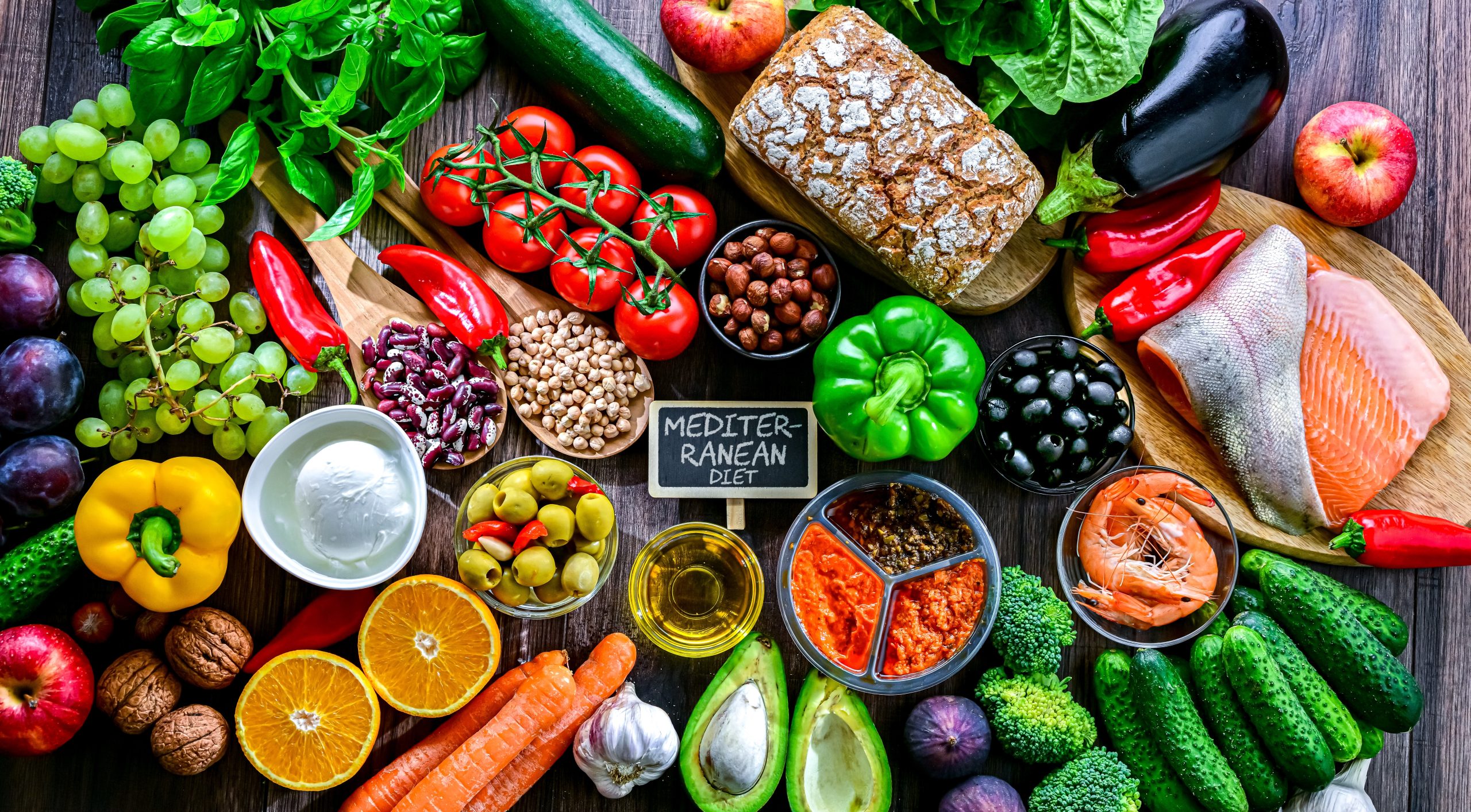
Women in midlife juggle shifting hormones, creeping insulin resistance, and rising cardiovascular risk. Instead of cutting all carbs and living in nutritional whiplash, a better strategy is to distinguish between carb types. Whole grains like oats, quinoa, barley, and intact brown rice consistently associate with lower risks of heart disease and diabetes when they replace white bread, white rice, and pastries. Non-starchy vegetables—leafy greens, cruciferous vegetables, peppers, zucchini—add bulk and phytochemicals with minimal glycemic burden.
Fruits belong on the “good carb” list for most women, despite their natural sugars, because their fiber and nutrient content deliver a net win. Berries, apples, pears, oranges, and kiwis tend to have lower glycemic impact compared to fruit juices or dried fruit candies. Legumes pull double duty, functioning as both a carb and protein source, with a powerful effect on satiety.
Start your free women’s health consultation now.
The Carb Patterns That Undercut Healthy Aging
Diets heavy in refined carbs and added sugars do more than add inches to the waistline; they accelerate almost every aging mechanism scientists track. Regular intake of white bread, pastries, sugary drinks, many breakfast cereals, desserts, and ultra-processed snack foods correlates with higher rates of type 2 diabetes, heart disease, fatty liver, and cognitive decline in women. These foods deliver a dense dose of starch or sugar without the buffering effect of fiber, which encourages chronic insulin elevation and low-grade inflammation.
Starchy vegetables can be a hidden trap when they mostly appear as fries, chips, and loaded baked potatoes. While plain potatoes can fit reasonably into a balanced diet, the highly processed, fried, or salted versions behave much closer to refined carbs in metabolic terms. The more these foods crowd out whole grains, legumes, and colorful vegetables, the more women lose the 37% healthy-aging advantage associated with high-quality carbs and drift toward the 13% penalty seen with low-quality patterns.
Practical Carb Swaps That Respect Conservative Common Sense
Common sense and a conservative view of personal responsibility converge on one conclusion: women cannot outsource their aging to the healthcare system; they must build it, one plate at a time. That does not require exotic superfoods or extreme “no carb” rules. The evidence supports simple, repeatable swaps. Replace white bread with whole-grain or sprouted bread. Trade sweetened yogurt for plain yogurt topped with berries. Swap soda for sparkling water with citrus. Move from instant mashed potatoes to beans and roasted non-starchy vegetables. Each small decision nudges the lifetime probability curve toward more independent years and fewer medication lists.
Sources:
https://www.healthline.com/health-news/high-quality-carbohydrates-healthy-aging-women