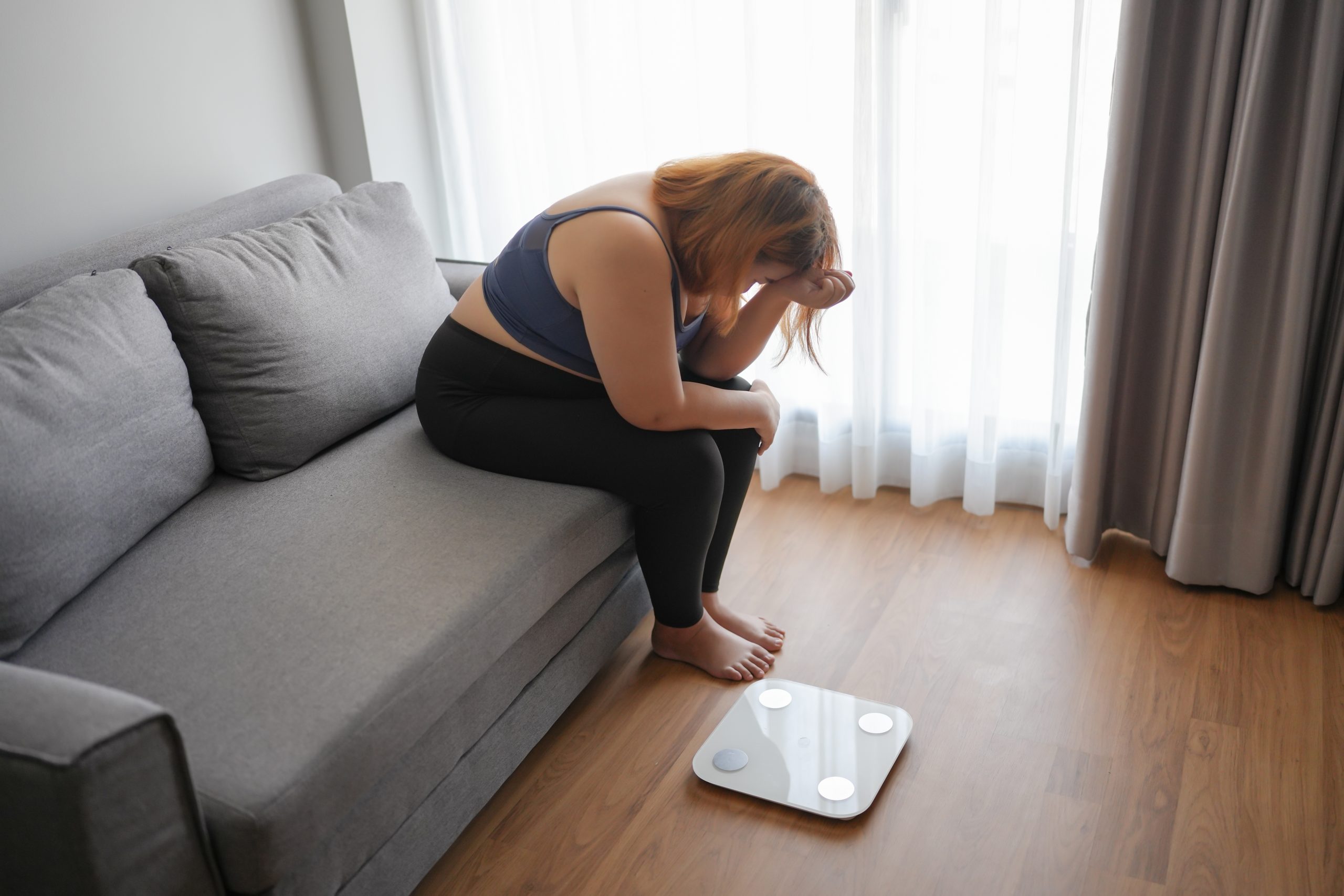

A new study reveals that stopping GLP-1 weight loss medications before pregnancy creates measurable health risks that current medical guidelines fail to address.
Quick Take
- Women who discontinued GLP-1 medications before pregnancy gained an average of 7.2 pounds more during pregnancy than those who never used the drugs
- Sixty-five percent of women in the GLP-1 discontinuation group experienced excess gestational weight gain compared to 49% of non-users
- Discontinuation was associated with higher risks of gestational diabetes, hypertensive disorders, and preterm delivery
- Current medical guidelines recommend stopping GLP-1s before conception due to unclear fetal safety, yet this study suggests discontinuation itself creates distinct pregnancy risks
The Clinical Paradox Nobody Expected
Medical guidelines exist to protect patients. Yet sometimes guidelines themselves create harm. Researchers at Mass General Brigham in Boston discovered exactly this problem when they analyzed nearly 1,800 pregnancies spanning 2016 to 2025. Their November 2025 findings, published in JAMA Network Open, expose a troubling gap between current recommendations and actual patient outcomes. Women following medical advice to stop GLP-1 medications before pregnancy faced worse complications than women who never took the drugs at all.
Understanding the Numbers Behind the Problem
The data tells a stark story. Women who discontinued GLP-1 medications gained a mean of 13.7 kilograms during pregnancy compared to 10.5 kilograms for non-users—a difference of 3.2 kilograms or roughly 7.2 pounds. More troubling, 65 percent of GLP-1-exposed pregnancies involved excess gestational weight gain versus 49 percent in unexposed pregnancies. This represents a 32 percent increase in odds. The complications extended beyond weight: gestational diabetes, hypertensive disorders, and preterm delivery all occurred at higher rates in women who had discontinued the medications. Find out if GLP 1 medication is right for you.
Watch:
Why Current Guidelines Miss the Mark
GLP-1 receptor agonists like semaglutide and tirzepatide were originally developed for diabetes management. The explosion in their use for weight loss among women of reproductive age happened rapidly, outpacing clinical research on pregnancy safety. Medical authorities adopted conservative stances: avoid all unknown risks to the fetus. This precautionary principle made sense in isolation. But it created a new problem nobody systematically studied until now—what happens when women abruptly stop medications that have suppressed their appetite and weight? Your health questions deserve instant support.
The Weight Rebound Nobody Planned For
The human body resists change. When women discontinue GLP-1 medications, appetite hormones rebound with force. Hunger returns. Food cravings intensify. The metabolic adaptations that suppressed appetite suddenly reverse. During pregnancy, when women already face hormonal shifts and increased caloric demands, this rebound creates a perfect storm. The body gains weight faster than it would have without the prior GLP-1 use. This excess weight gain triggers downstream complications: gestational diabetes becomes more likely, blood pressure rises, and the risk of preterm delivery increases.
The Unresolved Central Question
This study creates more questions than it answers. The fundamental reason for current discontinuation recommendations—potential risks to the fetus from continued GLP-1 use—remains unknown. No one has systematically studied whether GLP-1 medications harm developing fetuses. Current guidelines assume they might, so recommend stopping them. But this study suggests stopping them creates documented harms. Women now face a choice between unknown fetal risks and known maternal complications. Neither option is safe. Get urgent help online – fast, secure, and reliable.
Sources:
Quitting a GLP-1 Before Pregnancy Linked to Higher Weight Gain, Complications
GLP-1 Discontinuation Tied to Increased Weight Gain and Pregnancy Complications
JAMA Network Open – Pregnancy Outcomes After GLP-1 Receptor Agonist Discontinuation
Discontinuing GLP-1 Use Before Pregnancy: Risk for Adverse Outcomes