
That soothing hum lulling millions to sleep each night may actually be sabotaging the rest they desperately seek.
Story Snapshot
- White noise machines can disrupt sleep cycles and harm hearing when volumes exceed 91 decibels or usage becomes chronic
- Children face developmental risks including speech delays and learning difficulties from prolonged exposure to sound machines
- Pink noise proves superior to white noise with an 81.9 percent positive outcome rate versus just 33 percent for white noise
- Average users run sound machines 267 minutes nightly at 56 decibels, but maximum settings can reach unsafe levels
- Research reveals context matters—benefits exist in noisy hospitals but risks emerge in typical home environments
The Hidden Danger in Your Bedroom
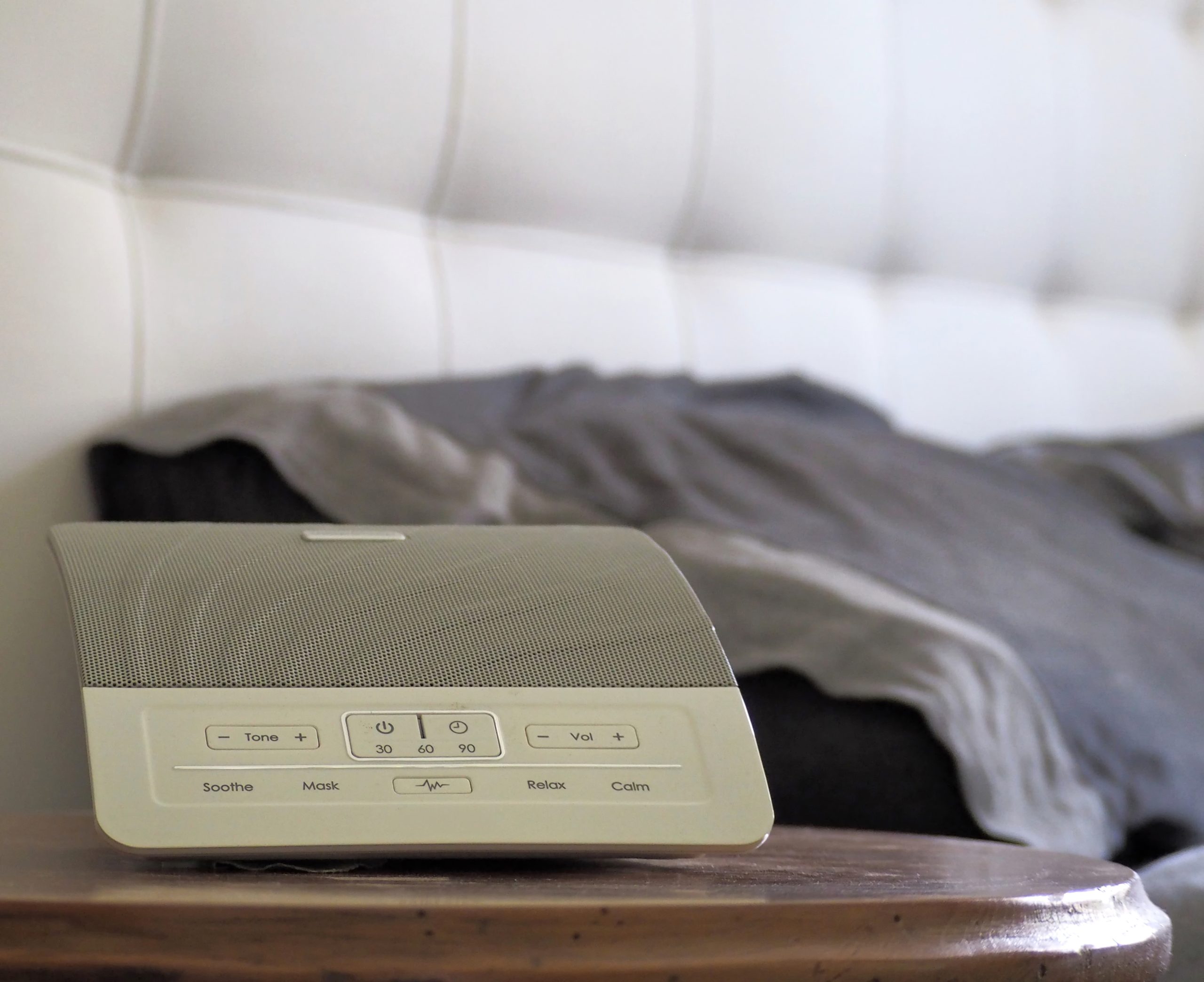
Millions of Americans depend on sound machines as their ticket to dreamland, yet recent research exposes a troubling reality behind these popular sleep aids. A 2024 study published in PubMed raises red flags about white noise machines, particularly for children exposed to chronic, high-volume output. The devices marketed as sleep enhancers may trigger hearing damage, speech delays, and learning impairments when sound levels climb above 91 decibels or when families run them relentlessly through the night. Animal models demonstrate developmental delays from moderate-intensity chronic noise exposure, prompting pediatric sleep experts to advocate for strict volume and duration limits on devices that have become nursery staples.
Watch:
When Science Contradicts Marketing
The sleep tech industry built a multibillion-dollar market on a simple promise—mask disruptive sounds and drift peacefully into slumber. Reality proves messier than advertising campaigns suggest. The American Academy of Sleep Medicine reviewed extensive research and found only 56 percent of studies demonstrated positive sleep outcomes from white noise. Pink noise fares significantly better with 81.9 percent of studies showing benefits, yet white noise remains the dominant format in consumer devices. This disconnect between evidence and market saturation raises questions about whether manufacturers prioritize sales over scientifically validated solutions.
Volume Settings That Cross Safety Lines
The National Institute for Occupational Safety and Health establishes clear noise exposure guidelines for adults, yet sound machines routinely exceed these benchmarks. Testing reveals maximum volume settings on popular devices can hit 91 decibels or higher—levels that surpass safety standards designed for workplace environments. The average user runs their machine at 56 decibels for roughly 267 minutes each night, seemingly safe territory. The trouble starts when parents crank volume dials to overcome crying babies or when adults battle urban noise pollution bleeding through apartment walls. Children’s developing auditory systems prove particularly vulnerable to sustained exposure, especially since many families leave machines running continuously rather than using them strategically during sleep onset.
Meet My Healthy Doc – instant answers, anytime, anywhere.
Context Determines Success or Sabotage
Hospitals present a compelling case for sound machine benefits. Systematic reviews confirm that hospitalized adults experience reduced sleep latency and fewer nighttime awakenings when white noise masks medical equipment beeps, hallway conversations, and roommate disturbances. Urban dwellers in high-noise neighborhoods report similar improvements when devices drown out traffic, sirens, and neighbor activity. The equation flips in quieter home environments where sound machines introduce unnecessary auditory stimulation. February 2026 coverage highlighted research showing background noise machines disrupting sleep cycles in general users—people who would sleep better without artificial sound filling their bedrooms.
Sound machines might be making your sleep worse https://t.co/ZhwLjecAP6
— J P Fanton (@HealthyFellow) February 4, 2026
Research heterogeneity complicates definitive conclusions. Studies vary wildly in machine types, volume settings, duration protocols, and participant characteristics. The 2025 hospital review called for larger randomized controlled trials segmented by hospital unit and patient population, acknowledging current evidence remains too scattered for universal guidelines. No regulatory agencies have stepped in to mandate volume caps or usage warnings despite mounting evidence of potential harm.
Chat safely, anytime, with My Healthy Doc.
Rethinking Your Sleep Environment
The explosion of sleep tech coincides with increasing noise pollution and urban density, valid concerns that sound machines address symptomatically rather than systemically. Parents purchasing devices for nurseries would serve their children better by assessing actual noise levels in sleeping spaces and reserving machine use for genuinely disruptive situations rather than running them prophylactically every night. Adults might experiment with device-free sleep trials, discovering whether their brains actually prefer silence once given the opportunity to adjust. For those who genuinely benefit from sound masking, pink noise or multi-audio formats demonstrate superior outcomes compared to white noise’s static hiss. Volume discipline matters immensely—keeping output at the lowest effective level protects hearing while maintaining masking benefits.
Your instant doctor companion – online 24 hours a day.
Sources:
The Effect of White Noise on Sleep Quality in Hospitalized Adults: A Systematic Review
A Systematic Review on the Effects of Different Types of Background Sounds on Human Sleep
Effects of White Noise on Sleep in Noisy Environment
Background Noise Machines Can Have Negative Impact on Sleep Quality