
Managing hair loss doesn’t have to be complicated—simple daily routines and natural remedies can revitalize your scalp and promote healthier hair growth without disrupting your lifestyle.
At a Glance
- Regular scalp massages improve hair thickness and reduce stress that can contribute to hair loss
- A balanced diet rich in proteins, vitamins, and omega-3 fatty acids is essential for healthy hair growth
- Natural remedies like coconut oil and aloe vera can effectively nourish the scalp and strengthen hair
- Limiting harsh hair products and washing hair every 3-4 days helps maintain natural oils essential for hair health
- Consistency with treatments is crucial—most require at least 6 months to a year for visible results
Understanding Hair Loss: Causes and Normal Patterns
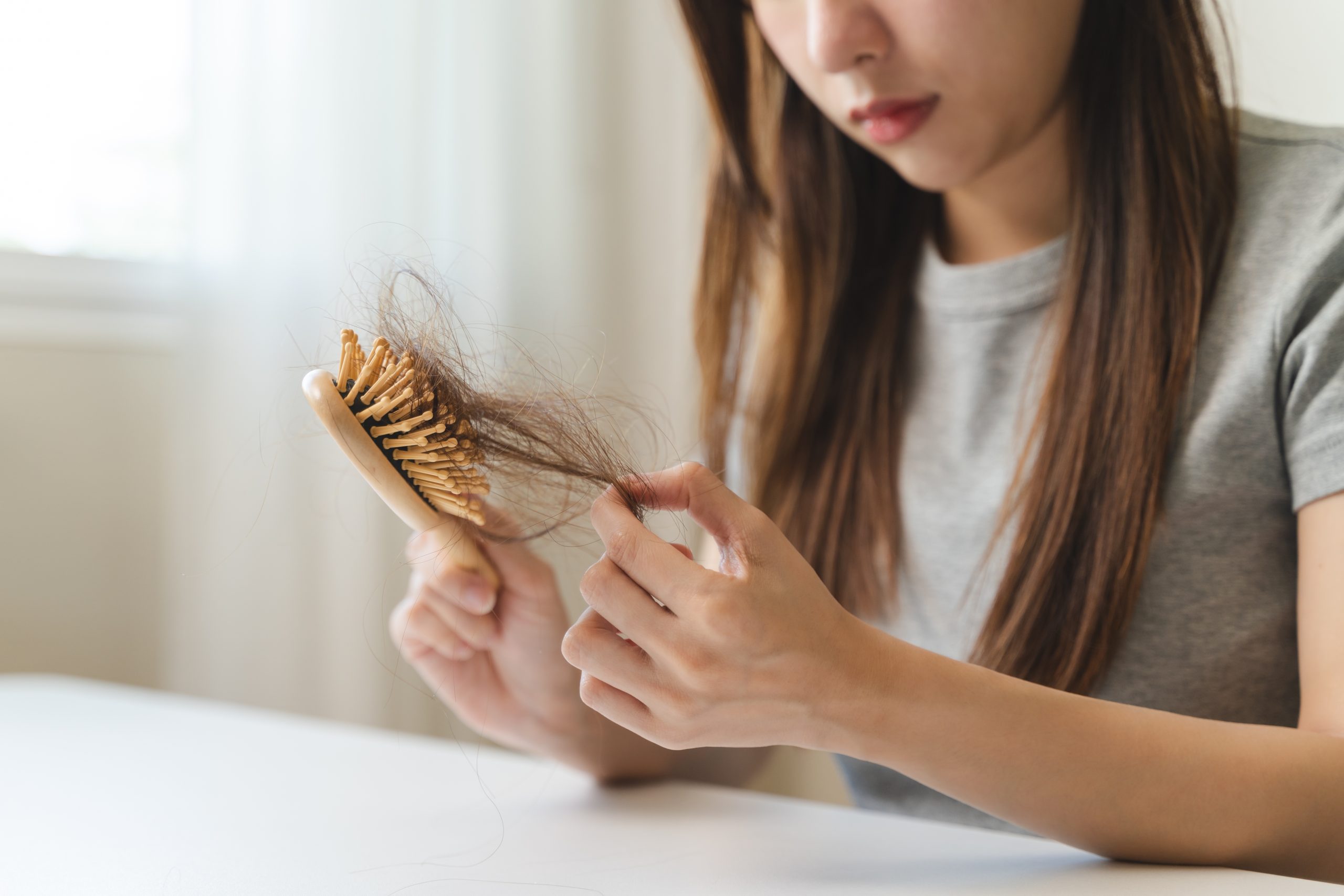
Hair loss is a common condition affecting millions of adults. It’s normal to lose approximately 100 hairs daily due to the natural growth cycle. Various factors contribute to excessive hair loss, including genetics, hormonal changes, aging, stress, nutritional deficiencies, and certain medical conditions. For men, Male Pattern Hair Loss (MPHL) is primarily driven by genetics and hormones, specifically dihydrotestosterone (DHT). In women, hair loss can occur due to similar factors and often presents differently, with overall thinning rather than receding hairlines.
Identifying the underlying cause is the first step toward managing hair loss effectively. If you notice sudden or patchy hair loss, consulting with a healthcare provider can help determine appropriate treatments. Understanding that some hair loss is normal while recognizing when it becomes excessive enables you to take timely action. Many individuals experience temporary hair loss during stressful life events, after childbirth, or following illnesses like COVID-19, with regrowth occurring naturally once the trigger resolves.
— Bask Health (@BaskHealth) August 19, 2024
Nutrition and Diet: Building Hair Health from Within
What you eat significantly impacts hair health. A balanced diet rich in proteins, vitamins, and minerals provides the building blocks needed for strong hair growth. Eggs, nuts, beans, and fish deliver protein essential for hair structure. Studies suggest the Mediterranean diet may reduce the risk of androgenic alopecia due to its emphasis on fresh vegetables, herbs, and healthy fats. Omega-3 fatty acids found in fatty fish, walnuts, and flaxseeds help nourish hair follicles and reduce inflammation that can contribute to hair loss.
Vitamin D deficiency has been linked to alopecia, making sun exposure and vitamin D-rich foods important considerations. Staying hydrated is equally crucial, as dehydration can lead to dry, brittle hair that breaks easily. For those with ongoing hair loss concerns, targeted supplements like Nutrafol may be beneficial, though results vary by individual. The key is consistency—maintaining a nutrient-rich diet supports hair health continuously rather than providing a quick fix.
Effective Daily Hair Care Routines
Developing a gentle hair care routine prevents further hair loss while creating optimal conditions for growth. Wash your hair every 3-4 days with a mild, sulfate-free shampoo to maintain natural oils essential for scalp health. Hot water strips oils from the scalp, so opt for lukewarm water instead. Apply conditioner primarily to the ends of hair to avoid weighing down roots. When towel-drying, gently pat hair rather than rubbing vigorously, which can cause breakage and hair loss.
Implement a regular scalp massage routine to stimulate blood circulation to hair follicles. A simple 3-step method using either your fingers or a gua sha comb can be effective for promoting thickness and relieving stress. Start by massaging the base of the skull with gentle pressure, working upward toward the crown. Then use perpendicular motions across the scalp in light zigzag patterns. A daily 4-minute scalp massage has been shown to stimulate hair growth in some studies. Limiting styling products and avoiding heat styling tools also reduces damage.
Natural Remedies and Home Treatments
Several natural remedies can effectively support hair health. Coconut oil stands out for its ability to penetrate hair shafts and prevent protein loss, reducing breakage and promoting regrowth. Apply warm coconut oil to your scalp, massage gently, and leave overnight before washing the next morning. Aloe vera soothes the scalp, reduces inflammation, and stimulates new cell growth. Fresh aloe gel can be applied directly to the scalp for 30 minutes before shampooing for best results.
Essential oils like rosemary, peppermint, and lavender can be diluted in carrier oils and used for scalp massages to promote circulation and hair growth. Some studies suggest rosemary oil may be as effective as minoxidil for certain types of hair loss. For dandruff, which can exacerbate hair loss, tea tree oil, coconut oil, or a baking soda paste can provide relief. Protective styling techniques, such as loose braids or buns, minimize breakage while allowing scalp access to air and circulation.
Medical Treatments and When to Seek Professional Help
When natural remedies aren’t sufficient, medical treatments may be necessary. Minoxidil (Rogaine) is an over-the-counter medication that helps slow hair loss and stimulate regrowth for both men and women. Apply it directly to the scalp as directed, typically twice daily. Finasteride (Propecia), available by prescription, blocks the hormone responsible for male pattern baldness and has shown significant effectiveness in clinical trials. Both treatments require consistent use for at least 6-12 months before maximum results appear.
Consult a dermatologist or trichologist if you experience sudden hair loss, patchy loss, or if hair loss is accompanied by scalp pain, itching, or other symptoms. These could indicate underlying conditions requiring specific treatment. Low-level laser therapy devices and platelet-rich plasma (PRP) treatments are additional options offered by specialists for certain types of hair loss. For severe cases, hair transplantation procedures can provide long-lasting results by relocating hair follicles from fuller areas to thinning regions.
Sources:
https://www.mindbodygreen.com/articles/for-hair-growth-and-stress-relief-3-step-gua-sha-routine
https://www.healthline.com/health/hair-loss-prevention
https://www.menshealth.com/grooming/g39797585/best-mens-hair-loss-treatments