
Your favorite afternoon snack could be sabotaging your blood sugar more than you realize, but emerging research reveals surprisingly simple swaps that could transform your metabolic health.
Story Highlights
- Eating protein or fiber before carbs can reduce blood sugar spikes by up to 37%
- Pistachios and almonds improve gut health and metabolic markers without glucose spikes
- Bedtime snacking timing dramatically affects overnight blood sugar stability
- Magnesium-rich foods like leafy greens slow sugar absorption naturally
The Snacking Order That Changes Everything
Most people grab whatever snack is convenient, but researchers have discovered that the sequence of your food intake matters more than the total calories consumed. When you eat protein or fiber before carbohydrates, your body responds with significantly lower blood sugar spikes. This 37% reduction happens because protein and fiber create a protective barrier in your digestive system, slowing the absorption of sugars into your bloodstream.
Why Nuts Outperform Traditional Snacks
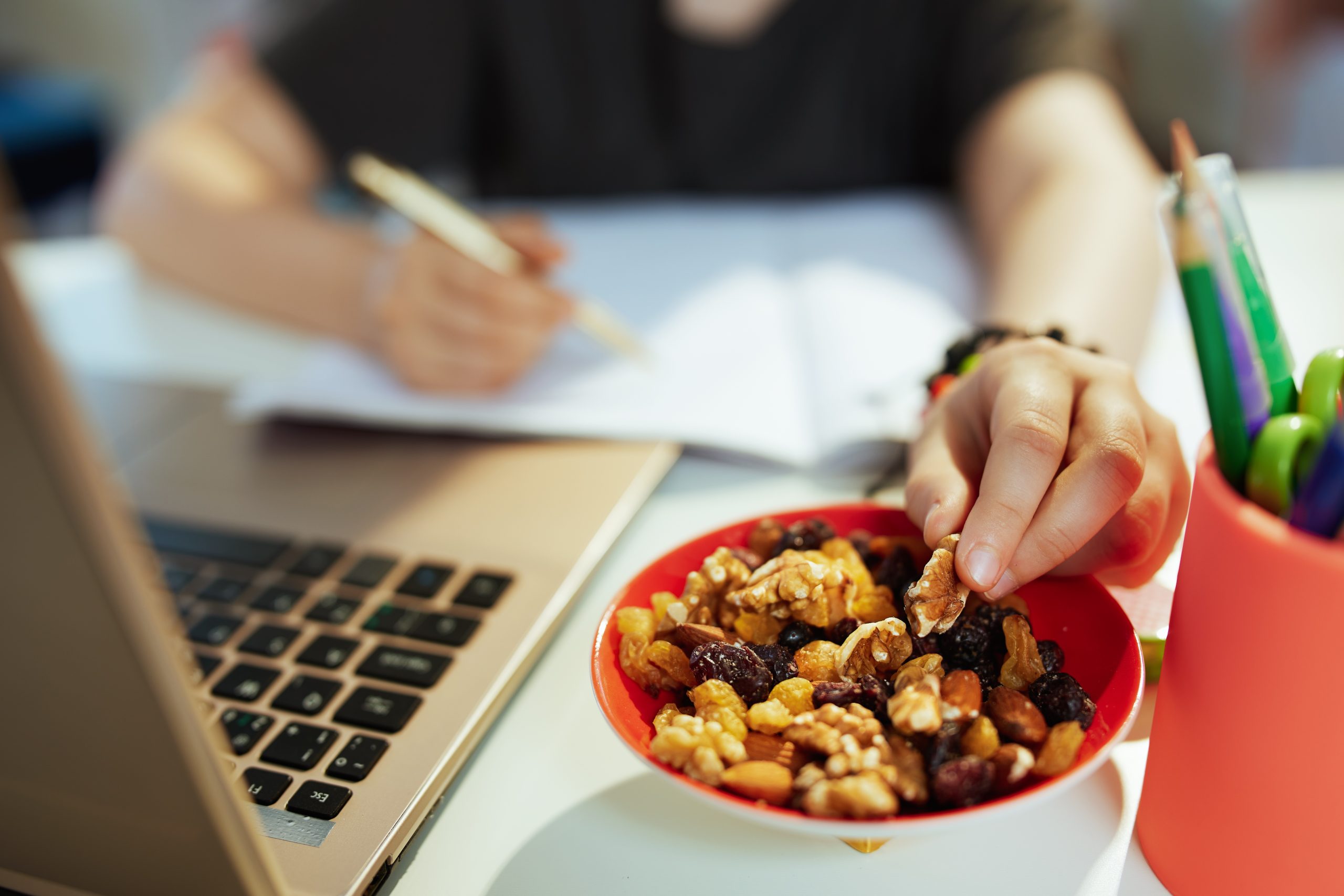
The humble pistachio and almond have emerged as metabolic superstars in recent studies. Unlike crackers or granola bars that send blood sugar on a roller coaster ride, these nuts provide sustained energy while actually improving your gut microbiome. The healthy fats and protein in nuts trigger satiety hormones, preventing the crash-and-crave cycle that keeps you reaching for more snacks throughout the day.
Get fast, reliable health advice from your AI doctor now.
The Magnesium Connection You’re Missing
Leafy greens, pumpkin seeds, and dark chocolate contain magnesium, a mineral that acts like a metabolic traffic controller for your blood sugar. This essential nutrient helps insulin work more effectively, allowing your cells to absorb glucose properly instead of letting it accumulate in your bloodstream. Many Americans are magnesium-deficient without realizing it, making their blood sugar management an uphill battle despite their best dietary efforts.
Watch:
Bedtime Snacking: The Hidden Saboteur
Your nighttime snack habits could be undermining eight hours of potential metabolic recovery. Research shows that late-evening carbohydrate consumption, especially from processed foods, creates blood sugar instability that persists through the night and into the next morning. Your body’s natural circadian rhythm expects lower insulin sensitivity after dark, making that bedtime bowl of cereal particularly problematic for glucose control.
The solution involves strategic timing and food selection. If evening hunger strikes, choose nuts or a small portion of fiber-rich vegetables instead of crackers or sweets. This approach supports your body’s natural overnight repair processes while maintaining steady blood sugar levels that promote deeper, more restorative sleep.
Your new health companion is online, ready when you are.
Sources: