
Imagine reclaiming your golden years with just 14 extra steps per minute—turns out, it’s not just wishful thinking but a scientifically-backed method to fend off frailty and its unpleasant sidekicks.
At a Glance
- Walking speed is a key biomarker for frailty in seniors.
- Adding 14 steps per minute can significantly improve physical function.
- Community-based interventions offer low-cost solutions.
- Potential for improving public health and reducing healthcare costs.
The Science Behind the Steps
Frailty in older adults is a well-documented syndrome characterized by decreased strength, endurance, and physiological function, increasing vulnerability to adverse health outcomes. Over the last two decades, research has focused on mobility and physical activity as key determinants of healthy aging and frailty prevention. Walking speed has emerged as a simple, reliable biomarker for frailty and overall health, with slower speeds linked to higher risks of disability, hospitalization, and mortality.
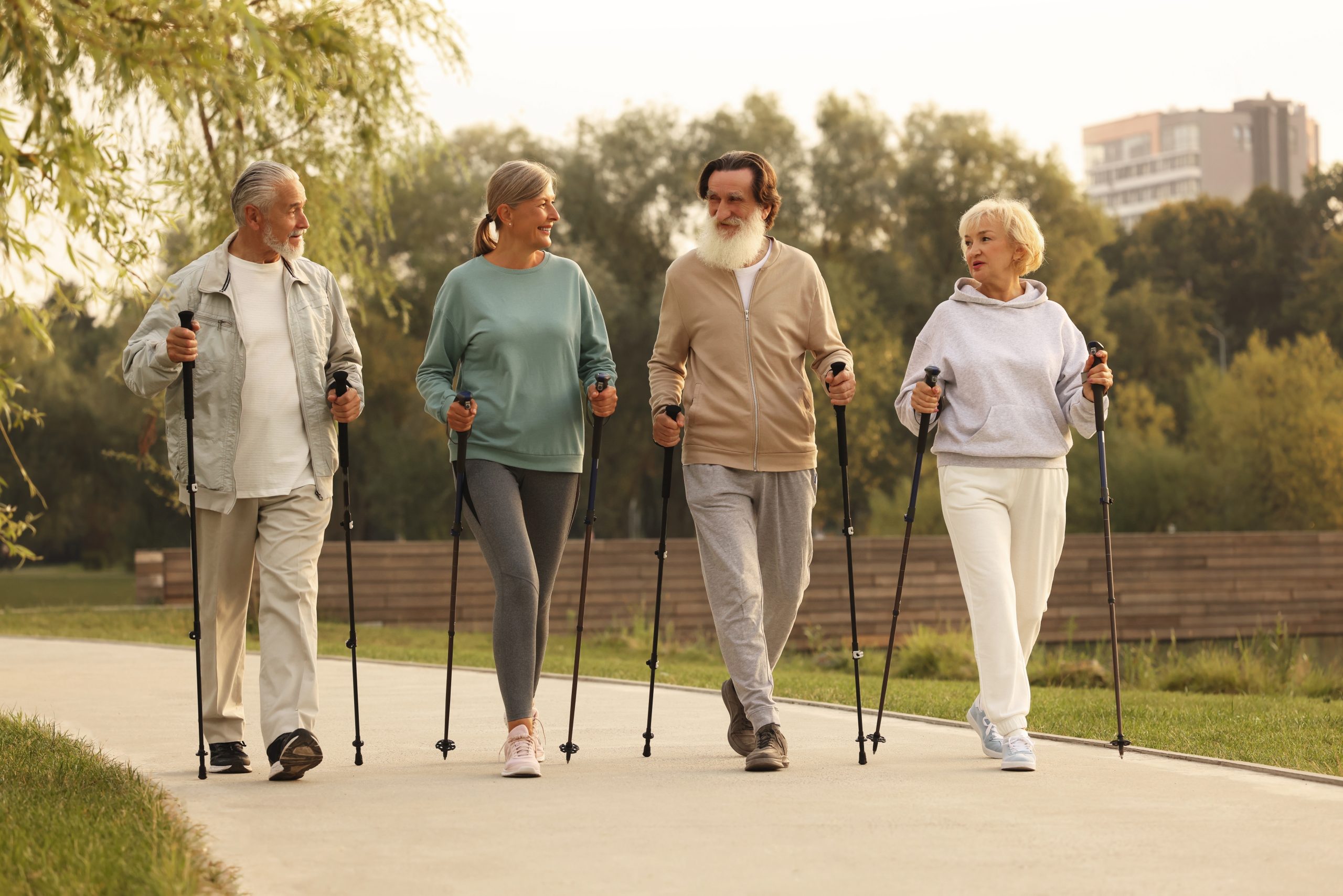
Among these findings, a groundbreaking study in Chicago reveals that increasing walking speed by just 14 steps per minute can dramatically improve physical function in seniors. This research targeted 102 seniors in retirement communities, focusing on those who are frail or pre-frail. The intervention involved ramping up walking speed during exercise sessions, highlighting the significant impact of even modest increases in movement.
Watch: 11 weeks of Walking a minimum of 15k steps a day
The Stakeholders in Action
The key players in this fascinating study include geriatricians, physical therapists, and public health scientists, all driven by a common goal: finding scalable, evidence-based interventions to delay or reverse frailty. Chicago-area retirement communities offered a participant base and logistical support. Seniors, aged 65 and above, were the heart of this study, motivated by desires to maintain independence and mobility.
Researchers and community administrators work closely, with researchers providing expertise and communities facilitating access and implementation. Seniors not only participate but also influence program design with their feedback, creating a collaborative environment that benefits all involved. Healthcare providers and community program directors play vital roles, deciding on adopting and scaling these interventions, while policymakers may use these insights to inform broader aging and wellness strategies.
Current Developments and the Road Ahead
The study’s finding that increasing walking speed by just 14 steps per minute leads to significant improvements in physical function has captured widespread attention. This simple yet effective intervention is being considered for broader implementation in other retirement communities and potentially in home-based programs for seniors. The timeline of events started with study design and participant recruitment in 2023, followed by intervention and data collection in 2024, culminating in the publication of results and dissemination to the public and professional communities in 2025.
Short-term implications include improved mobility, balance, and confidence among participating seniors, with a potential reduction in falls and hospitalizations. Long-term, the benefits could delay the onset of disability, reduce healthcare costs, and improve quality of life for aging populations. The broader implications for the senior living industry and healthcare sector are significant, as walking speed interventions may become a standard wellness offering integrated into routine geriatric assessments and care plans.
Expert Perspectives and Future Directions
Geriatricians and physical therapists widely endorse walking speed as a critical, modifiable risk factor for frailty. Experts emphasize the accessibility of walking interventions, which require no special equipment or facilities. The study aligns with a growing body of evidence supporting incremental, achievable goals for physical activity in older adults. Some experts advocate for a multimodal approach, combining walking with strength and balance training for optimal results.
The findings are consistent with recommendations from organizations like the World Health Organization and American Geriatrics Society regarding physical activity for seniors. With no major contradictions identified, the optimal increase in walking speed may vary by individual health status. As research progresses, these insights could shape future policies and interventions aimed at enhancing the well-being of seniors globally.