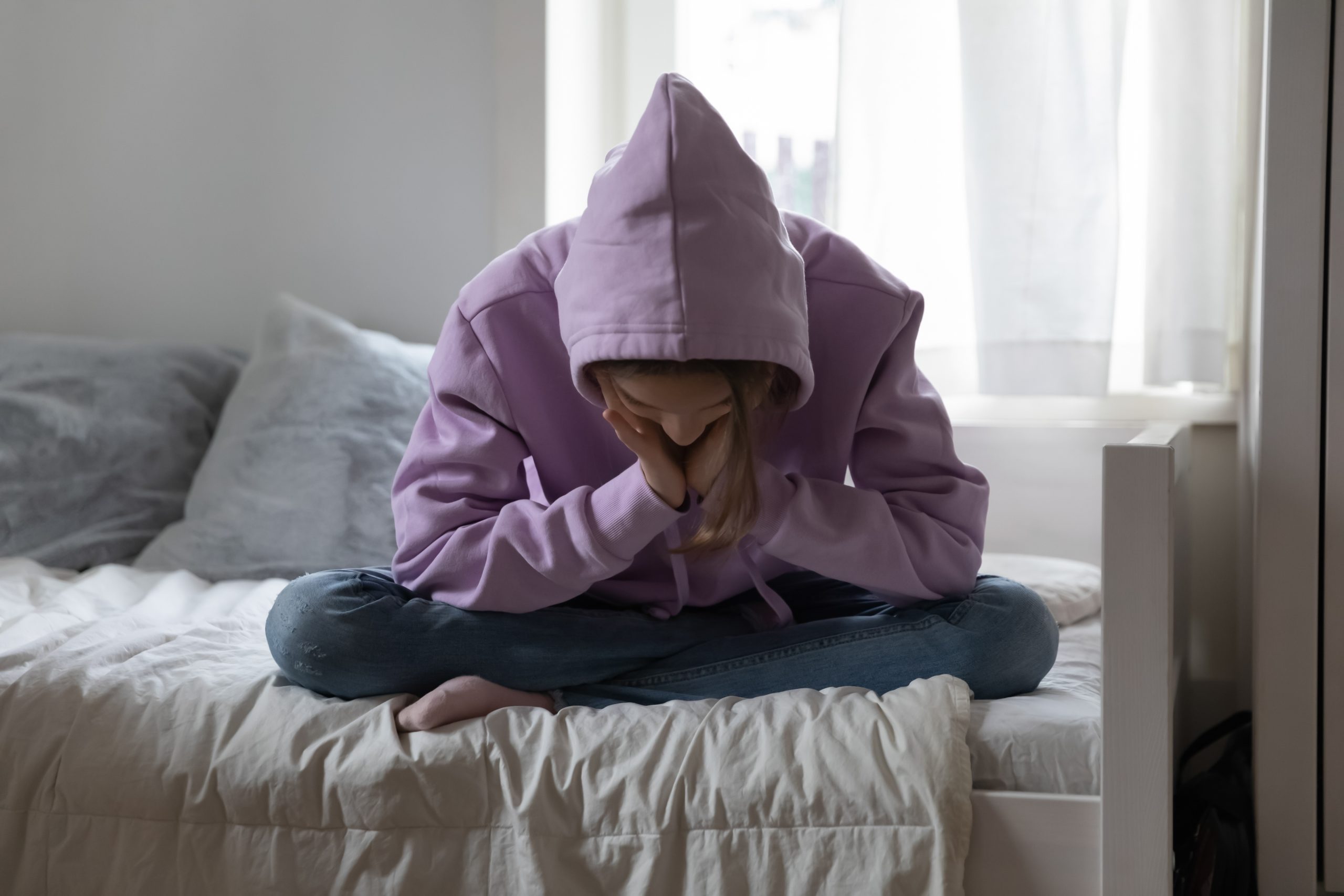

One of the cheapest, most underrated protections against teen depression is sitting right behind their bedroom door at 10 a.m. on Saturday: you just have to let them keep sleeping.
Story Snapshot
- Weekend “sleeping in” for teens is linked with a lower risk of depression when weekday sleep falls short.
- Researchers now frame catch‑up sleep as a practical safeguard, not a lazy indulgence.
- Teen biology, early school start times, and digital life make perfect sleep unrealistic.
- Families and schools can treat weekend sleep as a free, real‑world mental‑health intervention.
Why Weekend Sleep-Ins Deserve A Second Look
Parents across America wage the same weekend war: open the blinds, yank off the covers, lecture the “lazy” teen in bed at 10 or 11 a.m. A new University of Oregon–led study suggests that battle may be backward. Teens who actually get those extra weekend hours of “catch‑up sleep” show a significantly lower risk of depression than peers who stay chronically short on sleep all seven days of the week.[4] That is not a lifestyle opinion; it is a measurable mental‑health effect.
Researchers still insist that the gold standard for teens is roughly 8–10 hours of sleep every night. But they also live in the real world, where early buses, late homework, part‑time jobs, and glowing screens carve chunks out of weekday rest. The emerging message is pragmatic: if a teen cannot hit the ideal on school nights, giving them a longer, later sleep window on weekends offers “meaningful protection” against depressive symptoms instead of letting the sleep debt simply accumulate.
Trouble sleeping? Get AI guidance on improving rest.
The Biology, The Bus Schedule, And The Phone
Puberty literally rewires adolescent circadian rhythms, pushing them toward “night owl” patterns that clash with 6:30 a.m. alarms and first period before sunrise.[3][4] Layer on early start times, stacked extracurriculars, and expectations to be always available online, and you get a generation that is biologically primed to fall asleep late yet structurally forced to wake up early. National and global psychiatric groups increasingly point to sleep, alongside diet and activity, as a core lifestyle lever for protecting youth mental health—not an optional extra.
Mental‑health organizations stress that teens need predictable routines, safe spaces, and healthier digital habits precisely because those structures support better sleep. Short sleep, irregular bedtimes, and chronic social jetlag have all been linked to higher rates of depression, anxiety, and even suicidal ideation in adolescents.
Get fast, reliable health advice from your AI doctor now.
From “Lazy” To Low-Cost Mental Health Insurance
The new study reframes weekend sleeping‑in as a harm‑reduction tool rather than a moral failing. Instead of demanding perfection—lights out at 10 p.m. every school night—families can focus on a simple, low‑cost move: protect weekend mornings from unnecessary obligations so teens can recover some of the sleep they lost Monday through Friday. That does not mean endorsing 4 a.m. gaming sessions or noon wake‑ups, but it does mean recognizing that an extra one to three hours of weekend sleep can be genuinely protective.
The simplest way teens can protect their mental health
— Science Joy (@InsideOurBodies) January 7, 2026
────୨ৎ──────────── 🎀
A new study suggests that sleeping in on weekends may help protect teens’ mental health by reducing the risk of depression. Researchers from the University of Oregon and SUNY Upstate… pic.twitter.com/dcNWId5urQ
What Schools, Clinics, And Communities Can Do Next
Schools and policymakers hold the keys to the weekday schedule, but weekends are often more flexible. States already experimenting with school‑based mental‑health supports, universal screening, and expanded telepsychiatry are looking for interventions that scale without exploding budgets. Protecting weekend rest is essentially free. When administrators schedule Saturday practices at dawn or stack mandatory early events, they unintentionally tax one of the few remaining sleep windows that research suggests shields teens against depression.
Clinicians increasingly weave sleep counseling, digital hygiene, and daily routines into care plans for teens, alongside therapies like CBT and family‑based approaches. Public‑health strategies now emphasize teaching youth practical lifestyle skills they can use every day, not just handing them diagnoses and prescriptions. Within that broader shift, this new evidence on catch‑up sleep gives doctors, counselors, and parents permission to make a very simple recommendation: if the week is brutal, guard the weekend pillow. It may be one of the smallest, most realistic mental‑health “treatments” a family can offer.
Chat safely, anytime, with My Healthy Doc.
Sources:
Creating Safe Spaces for Youth
Teen Mental Health 2026: Why It Needs More Attention
Implementing the World Psychiatric Association’s Action Plan 2023–2026
The simplest way teens can protect their mental health
Start the Year Well With 6 Mental Health Practices for Families in 2026
States Take Action to Address Children’s Mental Health in Schools
Universal Mental Health Screening of Children and Youth
Online Health and Safety for Children and Youth
Center of Excellence on Social Media and Youth Mental Health