
Despite our modern world’s endless distractions and stressors, achieving deep, restorative sleep is possible with evidence-based strategies that can transform restless nights into rejuvenating experiences.
At a Glance
- Over two-thirds of respondents in a Sleep Foundation survey reported experiencing poor sleep for months to years
- Establishing a consistent sleep routine and optimizing your sleep environment are fundamental to quality rest
- Limiting screen time before bed helps prevent blue light interference with melatonin production
- Specialized breathing techniques and mindfulness practices can significantly improve sleep quality
- Natural sleep aids and professional guidance may help address persistent sleep issues
The Critical Connection Between Sleep and Health
Insomnia does more than leave you tired—it systematically undermines your mental well-being, decision-making abilities, and daily productivity. The relationship between sleep and mental health is bidirectional: poor sleep exacerbates mental health conditions, while psychological challenges often disrupt sleep patterns. For adults, health experts consistently recommend 7-9 hours of quality sleep per night, yet millions fall short of this target. Modern life’s constant stimulation, from digital devices to work stress, has created a sleep crisis that requires deliberate intervention.
The consequences of chronic sleep deprivation extend far beyond daily fatigue. Research shows persistent sleep issues can increase risks for serious conditions including heart disease, diabetes, obesity, and depression. Cognitive functions suffer as well, with attention spans shortening and memory consolidation faltering without adequate rest. The foundation of addressing these concerns begins with understanding that sleep is not a luxury but a biological necessity—one that requires the same attention we give to nutrition and exercise.
Creating Your Optimal Sleep Environment
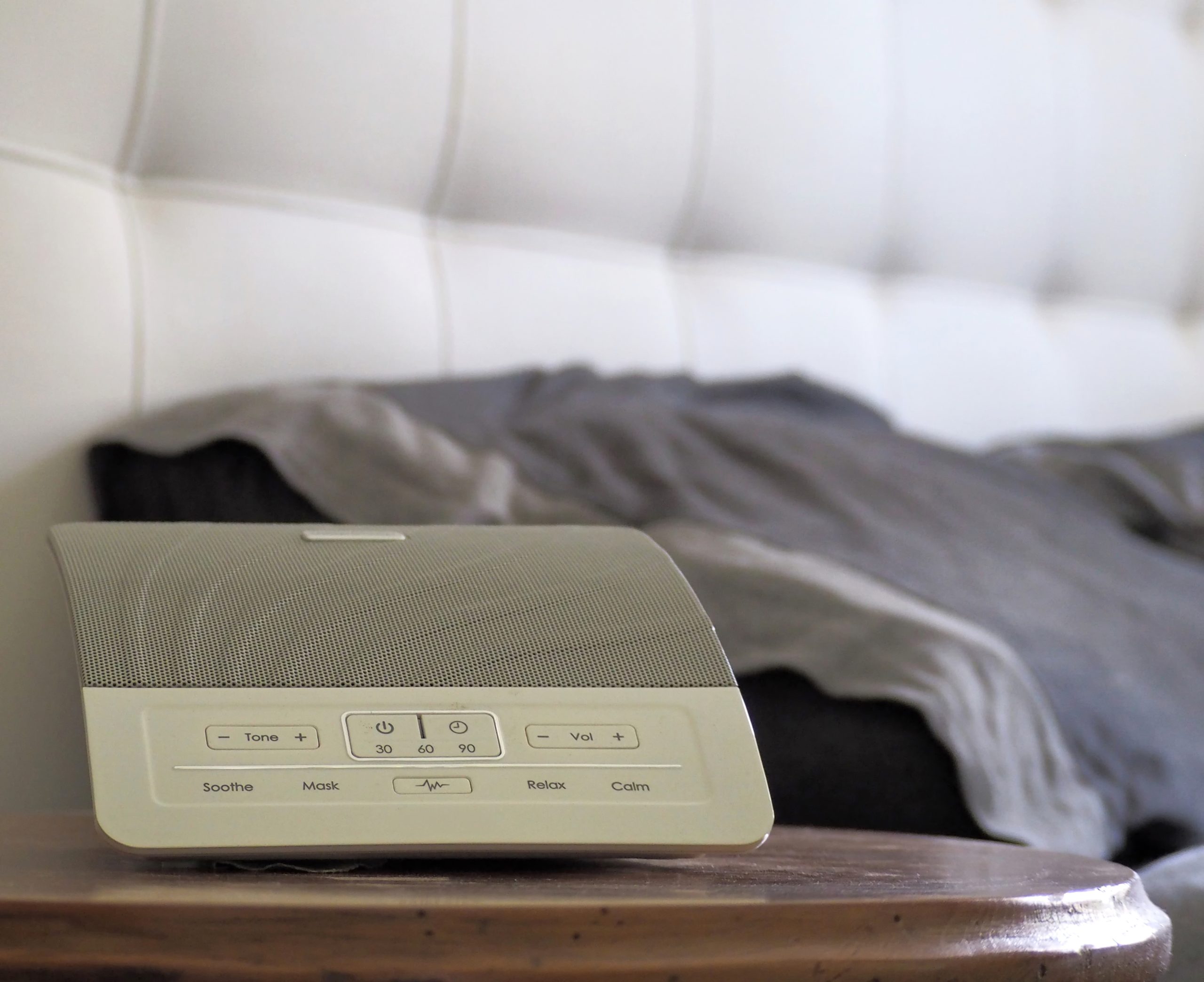
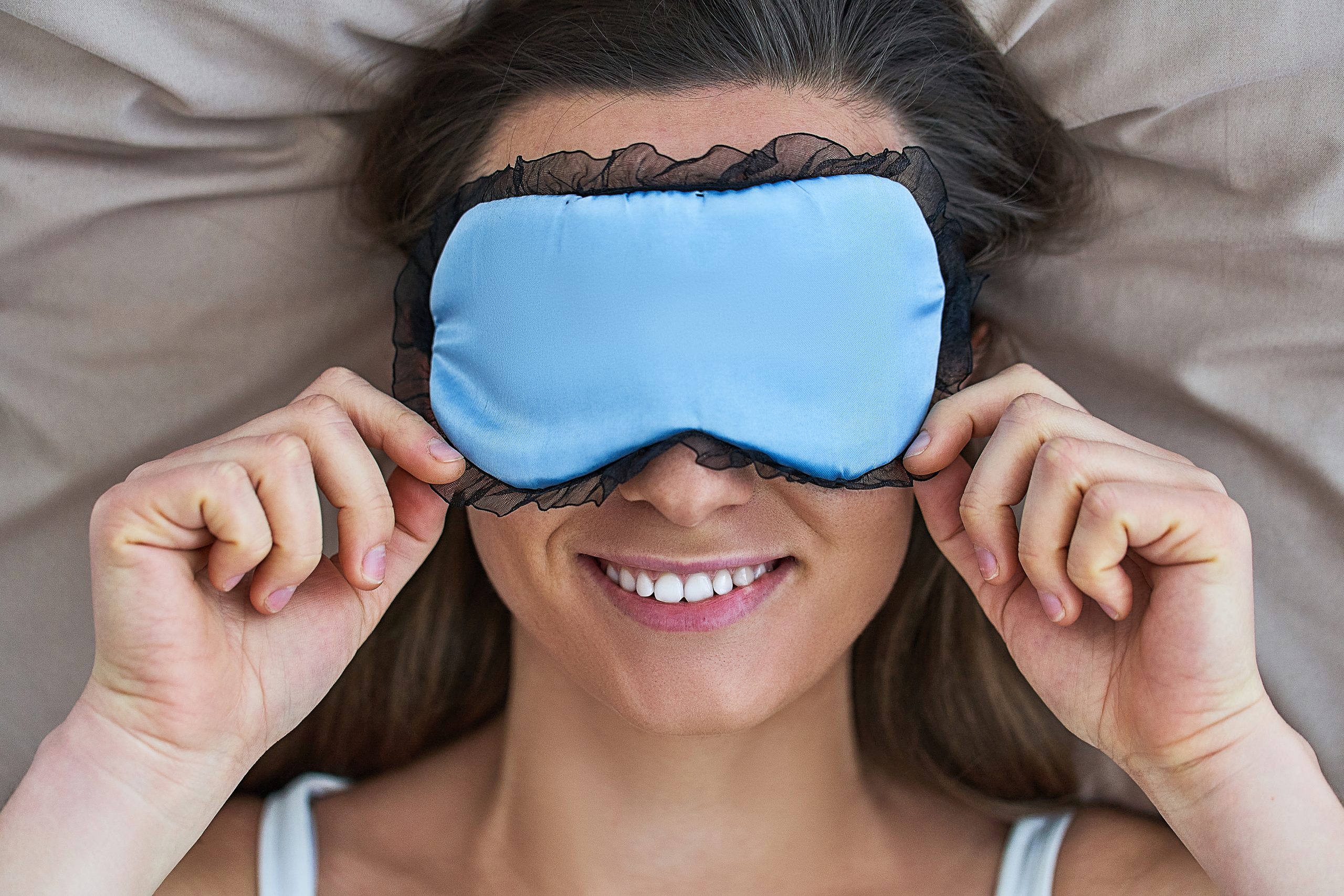
Your bedroom should function as a sanctuary dedicated to sleep. Start by evaluating your mattress and pillows—items that should support your body’s natural alignment and comfort preferences. Room temperature plays a crucial role, with experts recommending keeping bedrooms between 60-67°F (15-19°C) for optimal sleep conditions. Install blackout curtains to eliminate disruptive light, particularly important for those in urban environments or with irregular sleep schedules. Consider using white noise machines to mask environmental sounds that might otherwise disturb sleep.
Technology management represents another critical aspect of sleep environment optimization. Establish a “device curfew” at least one hour before bedtime, removing phones, tablets, and laptops from the bedroom entirely if possible. The blue light emitted from these screens suppresses melatonin production, the hormone responsible for regulating sleep cycles. Replace evening screen time with relaxing alternatives like reading physical books, gentle stretching, or listening to calming music. These environmental adjustments create powerful sleep cues that signal to your body it’s time to wind down.
Effective Techniques for Falling Asleep Faster
Breathing techniques offer accessible, immediate tools for improving sleep quality. The “4-7-8” method involves inhaling for four seconds, holding your breath for seven seconds, and exhaling slowly for eight seconds. This pattern activates the parasympathetic nervous system, countering the stress response that often prevents sleep. Another effective approach is the “cyclic sigh”—inhale halfway, pause briefly, then continue inhaling fully before a slow, complete exhale. Practice these techniques for 5-10 minutes before bed to signal your body it’s time to transition to sleep.
Cognitive-behavioral techniques provide powerful strategies for addressing problematic sleep patterns. If you find yourself unable to fall asleep within 20 minutes, experts recommend getting up rather than tossing and turning. Move to another room and engage in a quiet, non-stimulating activity like reading under dim light until you feel sleepy. This approach helps break the association between your bed and wakefulness. Similarly, scheduled worry time earlier in the evening can prevent racing thoughts from delaying sleep onset—dedicate 15 minutes to addressing concerns before transitioning to relaxation activities.
Lifestyle Habits That Support Healthy Sleep
Your daytime routines significantly impact nighttime sleep quality. Regular physical activity promotes deeper sleep, though timing matters—aim to complete vigorous exercise at least 3-4 hours before bedtime to allow your body temperature and heart rate to normalize. Dietary choices influence sleep as well; limit caffeine after mid-afternoon and avoid heavy, spicy, or high-sugar foods in the evening. Instead, consider small sleep-supporting snacks containing tryptophan, magnesium, or calcium, such as a small serving of turkey, a banana, or warm milk with honey.
Consistency forms the cornerstone of sleep hygiene. Maintain regular sleep and wake times—even on weekends—to reinforce your body’s natural circadian rhythm. Create a bedtime ritual that signals sleep preparation through calming activities like gentle stretching, meditation, or a warm bath. For those exploring natural sleep aids, options like magnesium L-threonate, ashwagandha, and valerian root show promise for some individuals, though consultation with healthcare providers remains essential before beginning any supplement regimen. Remember that sleep improvements often require patience and persistence as your body adapts to new routines.
When to Seek Professional Help
Despite implementing solid sleep hygiene practices, persistent sleep difficulties warrant professional attention. If insomnia continues for more than three weeks or significantly impacts your daytime functioning, consider consulting a sleep specialist. Medical evaluation can identify underlying conditions that may contribute to sleep disturbances, including sleep apnea, restless leg syndrome, or hormonal imbalances. Mental health professionals can address psychological factors through evidence-based approaches like cognitive-behavioral therapy for insomnia (CBT-I), which restructures negative thought patterns and behaviors surrounding sleep.
Professional guidance offers particular value when sleep issues emerge during major life transitions or alongside other health concerns. Sleep medicine specialists can determine whether temporary sleep medication might provide relief while addressing underlying causes. They can also recommend specialized interventions like light therapy for circadian rhythm disorders or structured sleep restriction programs for chronic insomnia. Remember that seeking help for sleep concerns demonstrates self-care, not weakness—restful sleep serves as the foundation for overall health and quality of life.