
Your nightly scrolling habit through social media could be silently robbing you of the quality sleep you need for optimal health, according to recent research on melatonin production.
At a Glance
- Evening smartphone use significantly impairs melatonin production, the hormone essential for quality sleep
- Blue light from screens disrupts your body’s natural sleep-wake cycle, leading to difficulty falling asleep
- Active phone use (texting, social media) is more disruptive to sleep than passive activities like listening to music
- Using phones before bed can reduce sleep duration, quality, and increase daytime fatigue
- Simple changes like creating a technology curfew can substantially improve sleep quality
How Smartphones Sabotage Your Sleep Hormone
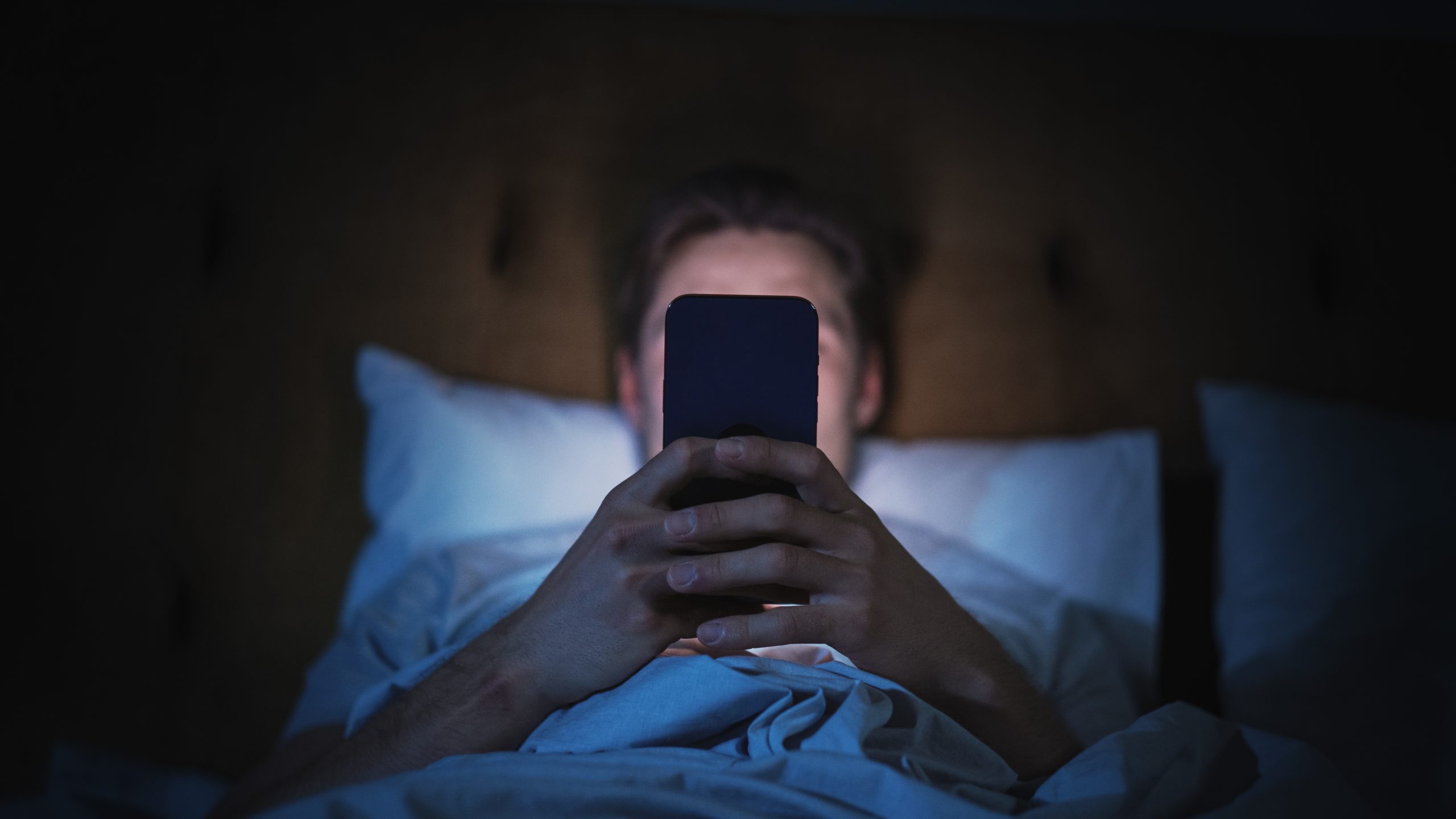
When you check your phone before bed, you’re essentially telling your brain it’s still daytime. The blue light emitted from smartphones and other electronic devices suppresses melatonin, the hormone that signals to your body it’s time to sleep. A recent study published in Brain Communications found that melatonin levels were significantly reduced after reading on a smartphone without a blue-light filter compared to reading a printed book. This disruption doesn’t just make it harder to fall asleep – it fundamentally alters your sleep architecture throughout the night.
The problem extends beyond just light exposure. According to sleep experts, the content we consume on our devices can trigger emotional responses that keep our minds racing. Whether it’s a work email that stirs anxiety or social media content that provokes strong emotions, these psychological stimuli can activate our stress response, further inhibiting the natural wind-down process our bodies need before sleep. This combination of blue light exposure and mental stimulation creates the perfect storm for sleep disruption.
99% Of People Sleep Wrong — 7 Possible Fixes 😴😴😴
— Kristie Leong M.D. (@DrKristieLeong) December 26, 2024
Tossing and turning. Staring at the ceiling. Counting sheep that never leap over the fence and trying to force yourself to fall asleep. Having dealt with this myself decades ago, I feel your frustration!
Yet the solution to… pic.twitter.com/g4Ol369p1P
Not All Screen Time Is Equal
Research indicates that how you use your device before bed matters significantly. The Cleveland Clinic points out that active engagement with devices – such as texting, emailing, or scrolling through social media – is more disruptive to sleep than passive activities like listening to music. This distinction is important because it’s not just the blue light that’s problematic; it’s also how the brain becomes engaged and stimulated through interactive activities that keep neural pathways firing when they should be winding down.
This “time slip” effect is particularly concerning because it not only delays your bedtime but also means you’re exposed to sleep-disrupting blue light for much longer than intended. Studies from the Sleep Foundation confirm that this extended exposure has a cumulative effect, with each additional minute potentially further suppressing melatonin production and increasing alertness at a time when your body should be transitioning to rest.
Practical Solutions for Better Sleep
The good news is that making simple changes to your evening routine can significantly improve sleep quality. Setting a technology curfew at least one hour before bed allows your body to begin natural melatonin production. Using blue light filters on devices, while helpful, isn’t as effective as completely avoiding screens. Creating a screen-free bedroom environment removes both the temptation to check devices during the night and eliminates the subtle light emissions that can disrupt sleep even when devices aren’t actively being used.
For those who must use devices in the evening, the Sleep Foundation suggests using red, yellow, or orange lights instead, as these wavelengths have minimal impact on circadian rhythms. Blue-blocking glasses are another affordable option that can reduce exposure while allowing necessary evening device use. Most importantly, establishing a consistent sleep schedule reinforces your body’s natural rhythms, making it easier to fall asleep and wake refreshed, regardless of occasional screen exposure.
Sources:
https://www.sciencedirect.com/science/article/pii/S1087079222001551
https://www.rochesterregional.org/hub/teens-screen-time-sleep
https://www.calm.com/blog/screen-time-before-bed
https://academic.oup.com/braincomms/article/6/3/fcae173/7675955