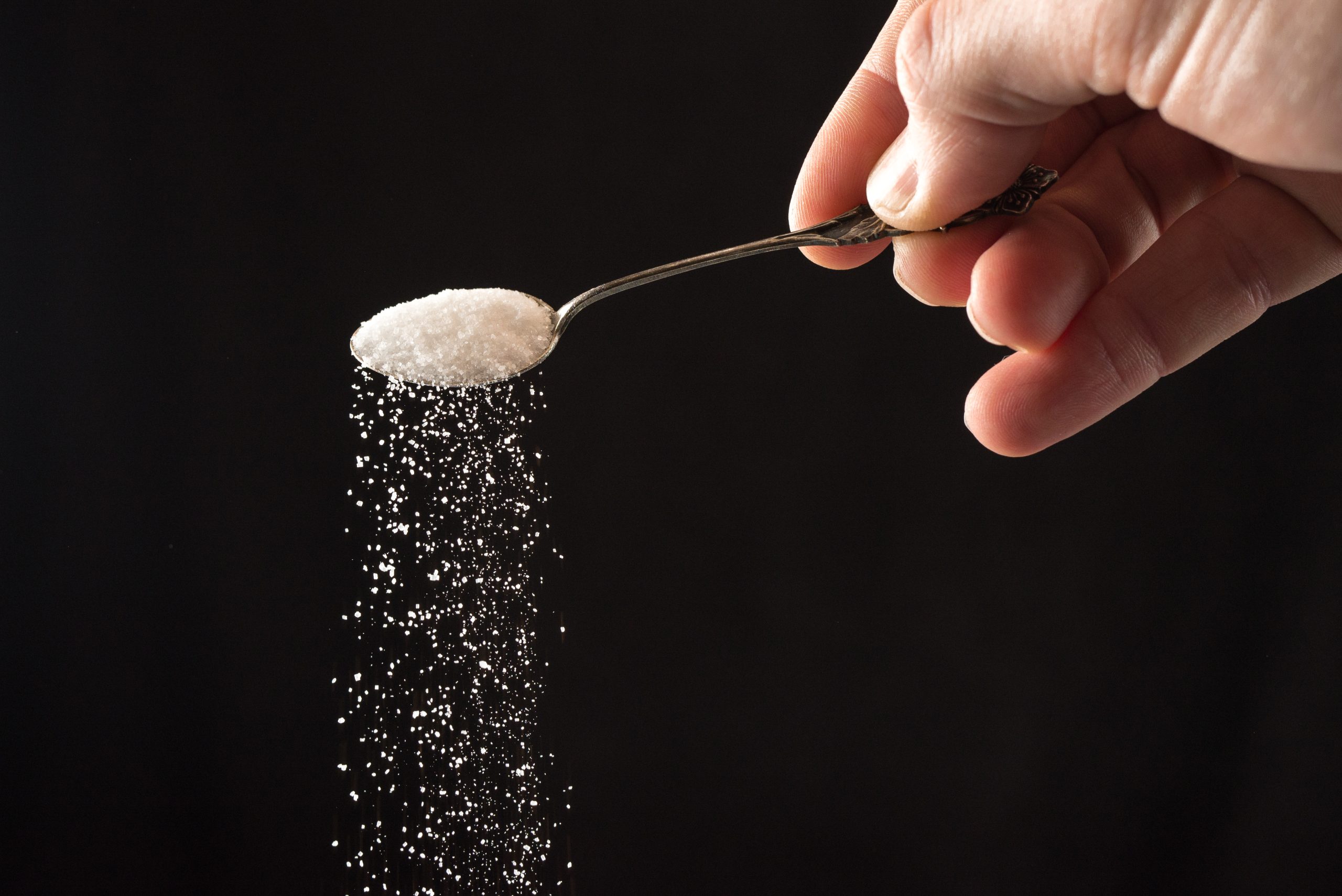

A rare sugar discovered in wheat leaves in the 1940s has quietly revolutionized the sweetener industry, offering all the taste of sugar with virtually none of the calories or blood sugar impact.
Story Overview
- Allulose provides 70% of sugar’s sweetness with only 0.4 calories per gram versus sugar’s 4 calories
- Japanese scientist Ken Izumori’s 1994 enzyme discovery enabled mass production from fructose
- FDA regulatory changes in 2020 allowed allulose to avoid “added sugar” labeling requirements
- Major food companies now use allulose in protein bars, beverages, and baked goods
The 50-Year Journey from Laboratory Curiosity to Commercial Success
Allulose remained a scientific footnote for decades after its initial discovery. Researchers found this monosaccharide naturally occurring in minuscule quantities in figs, raisins, jackfruit, and maple syrup. The compound’s rarity earned it the label “rare sugar,” but its potential remained locked away due to extraction challenges. Natural sources contained less than 0.1% allulose by weight, making commercial viability impossible through traditional harvesting methods.
The breakthrough came when Ken Izumori at Kagawa University identified the D-tagatose 3-epimerase enzyme in 1994. This discovery enabled scientists to convert readily available fructose into allulose through enzymatic processes. Suddenly, the rare sugar could be produced at industrial scale, though initial costs remained prohibitive for widespread adoption.
Regulatory Hurdles and Market Entry
The path to consumer acceptance required navigating complex regulatory frameworks. CJ CheilJedang from South Korea received the first FDA Generally Recognized as Safe notice in 2012, followed by Japan’s Matsutani Chemical Industry in 2014. These approvals opened American markets, but a significant obstacle remained: FDA regulations required allulose to be counted as “added sugar” on nutrition labels, despite its minimal caloric impact.
This labeling requirement stifled early adoption. Food manufacturers hesitated to reformulate products when the replacement sweetener would still appear as sugar to health-conscious consumers. The regulatory landscape shifted dramatically around 2020 when the FDA allowed allulose to be excluded from added sugar counts, recognizing its unique metabolic profile that bypasses normal sugar absorption pathways.
Commercial Adoption and Industry Impact
Tate & Lyle and Anderson Global launched commercial allulose variants in North America in 2015, with Quest Nutrition becoming an early adopter in protein bars. The sweetener’s ability to mimic sugar’s functionality in baking, browning, and texture made it particularly valuable for food manufacturers seeking to maintain product quality while reducing calories.
Unlike artificial sweeteners that often carry bitter aftertastes or require complex blending, allulose performs remarkably similar to sucrose in food applications. It participates in Maillard reactions that create desirable browning in baked goods, maintains moisture retention, and provides bulk that many other sugar substitutes cannot match. These functional properties have driven adoption across beverages, yogurt, ice cream, and baked goods.
Watch:
The Science Behind the Sweet Success
Allulose’s unique molecular structure as a C-3 epimer of fructose explains its remarkable properties. The human body absorbs only small amounts of allulose, with approximately 70% excreted unchanged through urine. This metabolic pathway results in minimal blood glucose elevation, making it particularly attractive for diabetics and those following ketogenic diets.
Research published in peer-reviewed journals indicates allulose may offer benefits beyond simple calorie reduction. Studies suggest potential anti-hyperglycemic and antioxidant properties, though long-term human trials remain limited. Physician Peter Attia, who has used allulose personally since 2015, advocates for its blood sugar benefits compared to traditional sweeteners.
All About Allulose https://t.co/YUcW9rmqEn
— Jane Harris (@janeharrisp_) January 20, 2026
Sources:
Codeage – Allulose: A Rare Sugar with a Unique Profile
Pyure Organic – What is Allulose
Adventure Life Report – Allulose Benefits, Origins
Peter Attia MD – Replacing Sugar with Allulose
Tate & Lyle – What is Allulose
Cambridge – Allulose in Human Diet: The Knowns and the Unknowns