
Social media’s latest health craze, “proffee” (protein coffee), promises enhanced fitness and weight loss for its devotees, yet nutrition experts warn that most Americans already consume more protein than they need.
At a Glance
- Protein coffee (“proffee”) combines coffee with protein powder or shakes, offering a potential energy and muscle-building boost
- While protein is essential for tissue repair and maintenance, most Americans already meet or exceed their daily protein requirements
- Adding protein to coffee may help with appetite control and support muscle maintenance, particularly beneficial for adults over 50
- Nutrition experts emphasize balance of all macronutrients rather than focusing exclusively on protein intake
- Supplement quality varies due to minimal FDA regulation, making consultation with healthcare providers important
What Is Proffee and Why Is It Trending?
The latest beverage sensation sweeping through social media feeds combines two popular elements: protein and coffee. This concoction, dubbed “proffee,” typically mixes coffee with protein powder or a ready-to-drink protein shake. Its popularity has been fueled by viral TikTok videos and Instagram posts showcasing various recipes and touting supposed health benefits. The trend has particularly caught on with fitness enthusiasts and those looking for convenient ways to increase their protein intake while enjoying their morning caffeine fix.
Proponents claim this protein-coffee blend offers multiple advantages: enhanced energy from caffeine, increased protein intake to support muscle growth, and appetite suppression that may aid in weight management. For busy individuals, it presents an efficient way to combine breakfast with their morning coffee ritual. Some enthusiasts add flavorings, sweeteners, or milk alternatives to create coffee-shop-worthy beverages without the hefty price tag.
Potential Benefits for Adults Over 50
The proffee trend has found particular resonance among adults over 50, and for potentially good reason. As we age, maintaining muscle mass becomes increasingly challenging yet crucial for overall health. Starting the day with 20-25 grams of protein via a proffee drink may help combat age-related muscle loss, a condition known as sarcopenia. Protein intake becomes especially important during this life stage when natural muscle preservation mechanisms become less efficient.
Some research suggests protein may support bone health when combined with adequate calcium intake, potentially reducing fracture risk in older adults. The caffeine in coffee might complement these benefits by potentially improving workout performance through enhanced muscle contractions and reduced perceived exertion. However, these potential advantages must be balanced against individual health conditions, medication interactions, and personal tolerance to caffeine.
The Reality Check: Do You Really Need More Protein?
Despite the enthusiasm surrounding increased protein consumption, nutrition experts emphasize an important reality: most Americans already consume more protein than they require. The average adult needs approximately 0.8 grams of protein per kilogram of body weight daily, with slightly higher requirements for very active individuals and older adults. Before joining the proffee trend, it’s worth assessing whether additional protein supplementation is necessary for your specific health circumstances.
An often-overlooked concern involves supplement quality and safety. The FDA minimally regulates protein supplements, meaning product contents may vary from label claims. Some products contain added sugars, artificial ingredients, or even contaminants. For those with underlying health conditions such as kidney disease, diabetes, or certain gastrointestinal disorders, consulting healthcare providers before increasing protein intake becomes even more critical. True nutritional wellness stems from balance rather than emphasizing a single nutrient—even one as essential as protein.
Creating a Balanced Approach to Nutrition
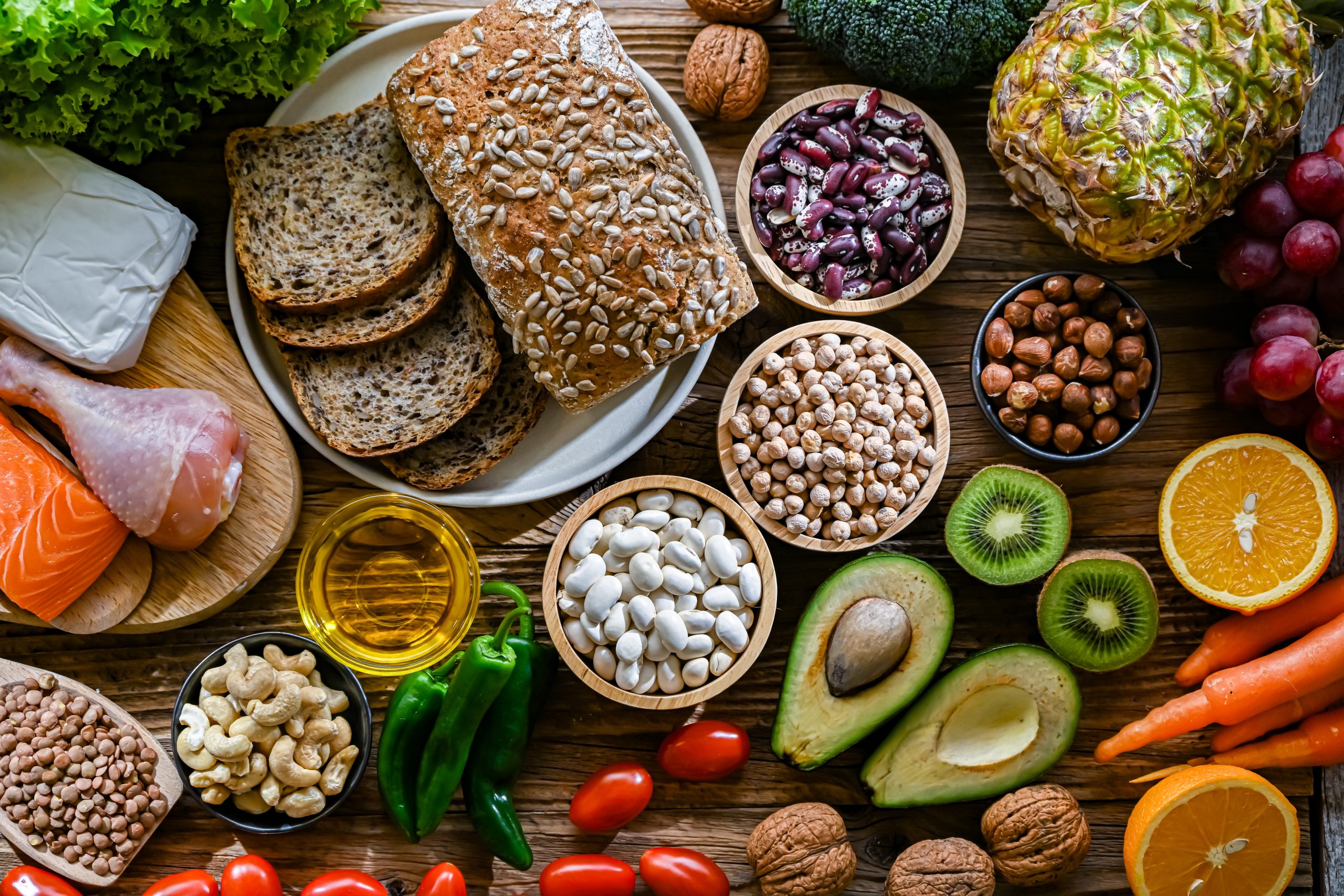
While proffee might offer convenience and potential benefits for some individuals, it’s important to place it within the context of overall nutritional needs. A truly healthy diet requires balance across all macronutrients—carbohydrates, proteins, and fats—rather than emphasizing one at the expense of others. Carbohydrates from whole grains, fruits, and vegetables provide essential energy and fiber. Healthy fats from sources like avocados, nuts, and olive oil support brain health and hormone production.
Micronutrients—vitamins and minerals—play equally crucial roles in maintaining health and are best obtained through a diverse diet rich in colorful plant foods, lean proteins, and whole grains. No single “superfood” or trendy beverage can provide complete nutrition. For those interested in trying proffee, consider it an occasional protein boost rather than a nutritional cornerstone. The foundations of good health remain consistent: varied whole foods, adequate hydration, regular physical activity, and attention to individual nutritional needs based on age, health status, and lifestyle factors.