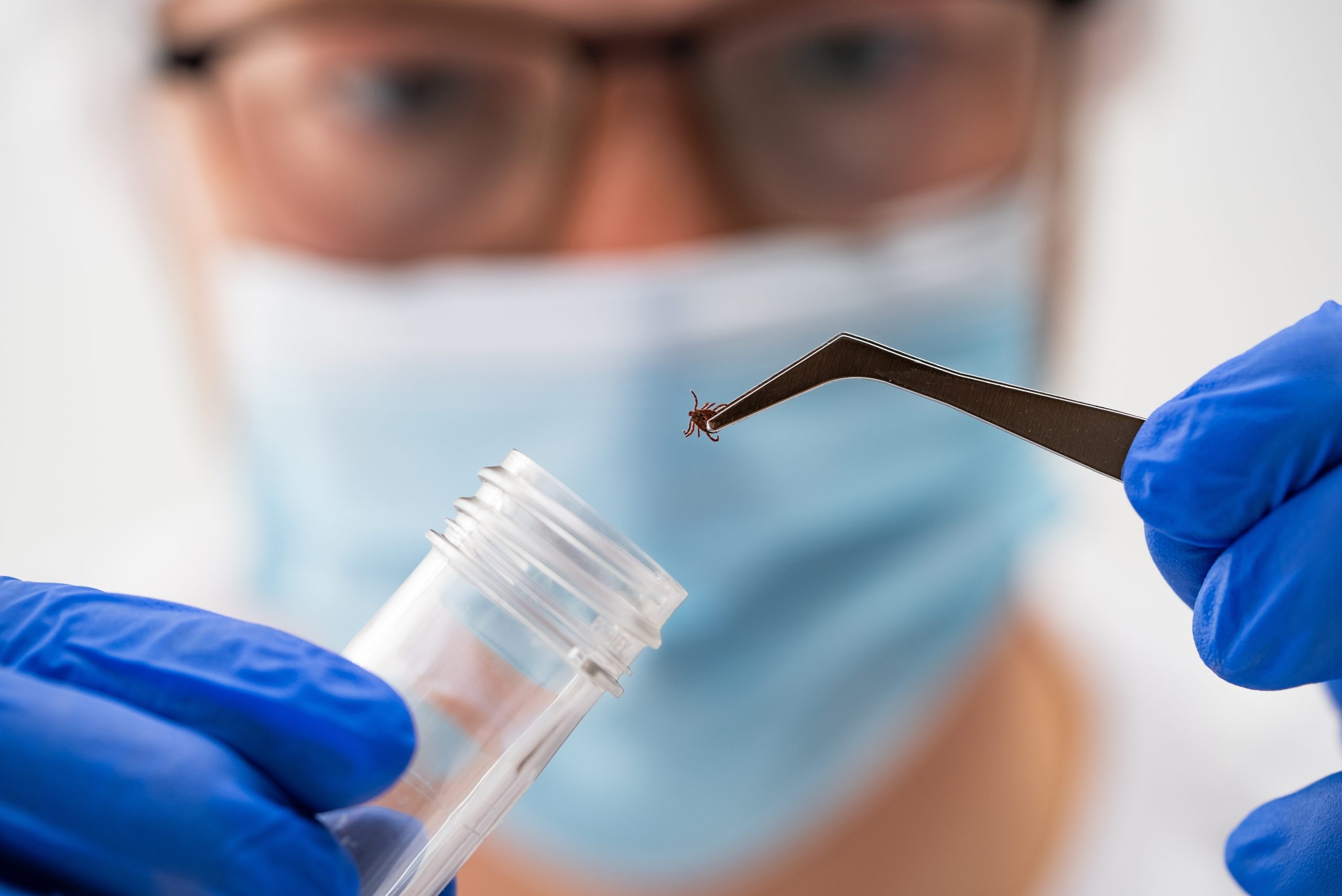

Scientists at Keck Medicine of USC are implanting reprogrammed adult stem cells directly into Parkinson’s patients’ brains, attempting something medicine has never reliably achieved.
At a Glance
- Induced pluripotent stem cells (iPSCs) derived from patient skin or blood are being surgically implanted into the basal ganglia to replace damaged dopamine-producing neurons
- The early-phase trial involves 12 moderate-to-severe Parkinson’s patients across three U.S. sites, with Keck Medicine of USC leading the research
- MRI-guided precision surgery delivers cells directly to damaged brain regions, with monitoring extending five years to track safety and efficacy
- Unlike previous fetal tissue transplants, iPSCs are derived from each patient’s own cells, dramatically reducing rejection risk without immunosuppressants
Why This Matters Now
Parkinson’s disease affects over one million Americans, with ninety thousand new diagnoses annually. Current medications manage tremors and stiffness but cannot halt neurodegeneration or restore lost dopamine production. For decades, neurologists have watched patients gradually lose control of their bodies while pharmaceutical options plateau. This trial represents a fundamental shift: from symptom suppression to cellular restoration.
The Cellular Strategy Behind the Surgery
The procedure begins with a patient’s own skin or blood cells, which researchers reprogram into induced pluripotent stem cells using Shinya Yamanaka’s Nobel Prize-winning technique. These iPSCs are then coaxed to mature into dopamine-producing neurons in the laboratory. During surgery, neurosurgeon Brian Lee drills a small hole in the skull and uses real-time MRI guidance to inject approximately one million of these cells into the basal ganglia, the brain region where Parkinson’s patients lose dopamine production. The entire implantation takes hours of meticulous precision.
What distinguishes this approach from earlier attempts is the source material. Fetal tissue transplants in the 1980s and 1990s showed promise but suffered from inconsistent results, ethical complications, and rejection issues. iPSCs avoid these obstacles entirely. Because the cells originate from each patient’s own body, the immune system recognizes them as self and does not attack the graft. Previous trials, including a groundbreaking case at McLean Hospital and Massachusetts General Hospital, demonstrated that autologous iPSC implants survived and functioned for at least two years without immunosuppressive drugs.
Doctors test brain cell implants to restore movement in Parkinson’s. Scientists are testing whether implanting dopamine-producing stem cells into the brain could change the future of Parkinson’s treatment.https://t.co/RrXAq021yW pic.twitter.com/7kkQgbm4Bl
— 🌏PEACE✌️☮️🕊♻️☘️ (@PeaceOutPeaceIn) February 6, 2026
The Monitoring Protocol and Safety Focus
This remains an early-phase trial, meaning safety takes absolute priority over efficacy data. Patients undergo intensive monitoring for twelve to fifteen months initially, with extended follow-up extending to five years. Researchers track motor function improvements, side effects like dyskinesia or infection, and whether implanted cells actually mature and produce dopamine. PET imaging can visualize graft activity in the brain, offering objective evidence of cellular integration.
What Success Would Mean
If dopamine restoration occurs, Parkinson’s progression could slow dramatically. Motor symptoms like rigidity, bradykinesia, and tremor might improve. Beyond movement, patients could experience cognitive and emotional benefits, since dopamine dysfunction affects multiple brain systems. One trial success would validate iPSC therapy for other neurodegenerative diseases, from Huntington’s to Alzheimer’s. Economically, a one-time surgical intervention beats decades of escalating medication costs and caregiver burden.
The broader implications reshape neuroscience. Regenerative medicine moves from theoretical to clinical reality. FDA pathways for cell therapies accelerate. Stem cell research funding gains political momentum. For the one million Americans with Parkinson’s today, this trial signals that their disease is no longer an irreversible decline but a condition medicine can potentially repair at the cellular level.
Watch:
Sources:
Stem cell brain implants aim to replace dopamine cells in Parkinson’s trial
Doctors test brain cell implants to restore movement in Parkinson’s
New stem cell treatment may offer hope for Parkinson’s disease
Scientific spotlight: From the eye to the brain—A review of cell therapy advances
Parkinson’s disease stem cell treatment breakthrough
Parkinson’s cell therapy clinical trial announcement
BlueRock Therapeutics Parkinson’s disease cell therapy program