
Finding the sweet spot for protein intake could be the key to unlocking better health as we age, yet most adults over 40 are missing this crucial nutritional balance.
At a Glance
- The National Academy of Medicine recommends protein should make up 10-35% of your daily calories, with quality being just as important as quantity
- High-quality or “complete” proteins contain all nine essential amino acids that your body cannot produce on its own
- Active adults should aim for 1.2-2 grams of protein per kilogram of body weight, with 25-30 grams per meal being optimal
- Both excessive and insufficient protein intake can lead to health issues, making proper balance crucial
- Cold-water fatty fish, lean meats, Greek yogurt, and certain plant combinations are excellent protein sources for adults over 40
Why Protein Quality Matters As Much As Quantity
Protein serves as the fundamental building block for virtually every system in your body. It provides essential structure for your muscles, bones, cartilage, and skin while playing crucial roles in immune function, hormone production, and enzyme activity. However, not all proteins are created equal. Your body requires nine specific amino acids that it cannot produce independently, making your dietary choices particularly important for maintaining optimal health as you age.
High-quality proteins, often called “complete proteins,” contain all nine essential amino acids in proper proportions. These are predominantly found in animal products like eggs, dairy, meat, and fish, though some plant combinations can achieve similar profiles. For adults over 40, prioritizing these complete proteins becomes increasingly important as muscle protein synthesis naturally declines with age, making efficient protein utilization crucial for maintaining muscle mass and overall health.
Finding Your Optimal Protein Intake
While general recommendations suggest protein should comprise 10-35% of your daily calories, individual needs vary considerably. The baseline Recommended Dietary Allowance (RDA) is 0.36 grams per pound of body weight (0.8g per kilogram), but this represents only the minimum to prevent deficiency, not the optimal amount for health maintenance, especially for older adults or those engaging in regular physical activity.
— Heart Surgeon Dr. Philip Ovadia (@ifixhearts) March 10, 2025
For active adults over 40, research suggests a higher intake of 1.2-2 grams per kilogram of body weight often yields better results for muscle maintenance and overall health. Spreading this intake throughout the day is equally important, with experts recommending 25-30 grams of protein per meal to maximize muscle protein synthesis. This approach helps counteract the natural muscle loss that occurs with aging, supports metabolic health, and aids in maintaining a healthy weight.
Practical Ways to Improve Protein Quality and Quantity
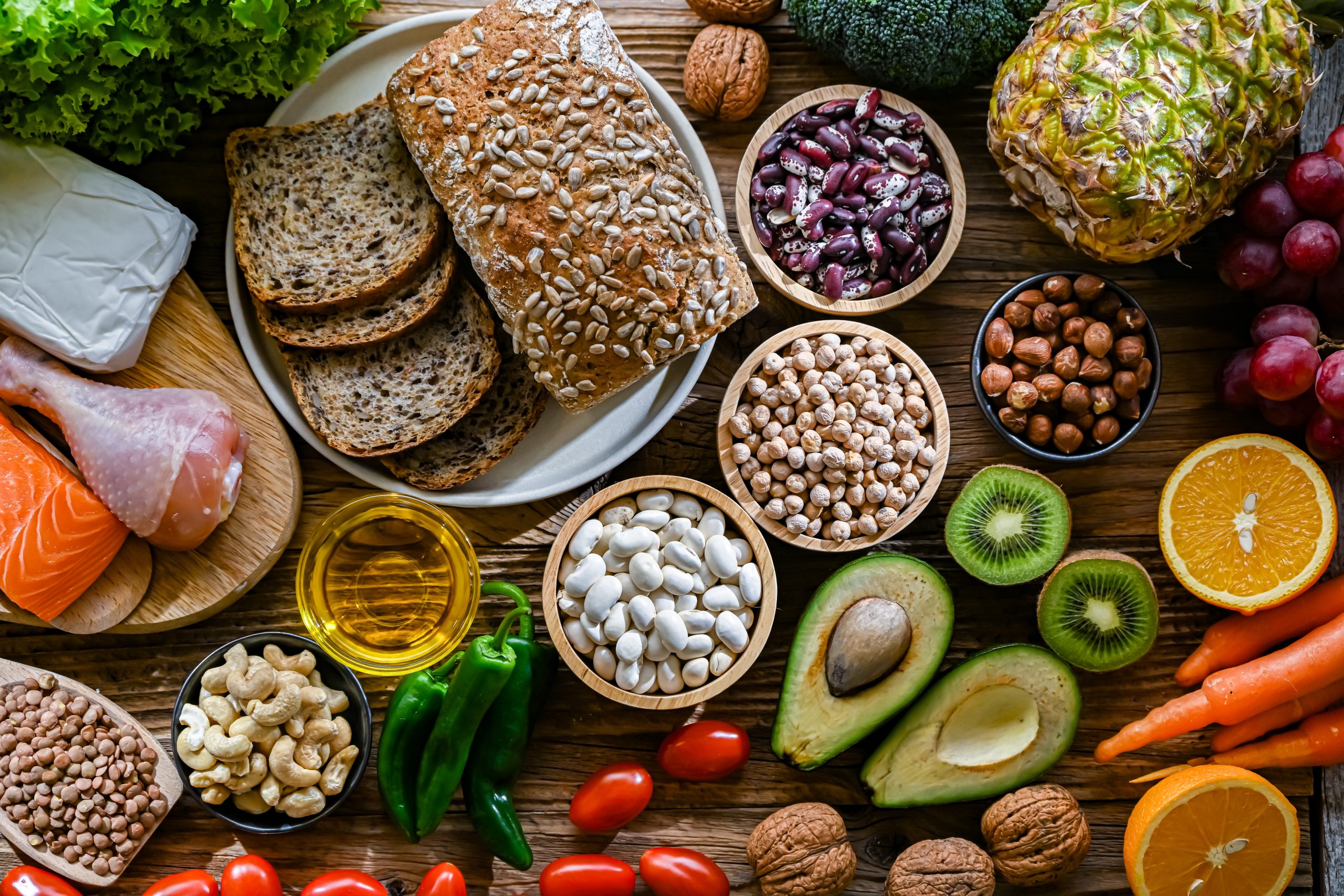
Incorporating sufficient high-quality protein into your diet doesn’t require radical changes. Start by including a protein source with every meal and snack. Cold-water fatty fish like salmon and sardines offer excellent protein quality plus beneficial omega-3 fatty acids. Greek yogurt contains nearly twice the protein of regular yogurt and makes an easy breakfast or snack option. For plant-based eaters, combining complementary protein sources like beans with rice or whole grain bread with nut butter can create complete protein profiles.
Be mindful that excessive protein intake, particularly from fatty animal sources, can have drawbacks. High consumption may strain kidney function in some individuals and potentially contribute to weight gain when calories exceed needs. The quality of your protein sources matters significantly—lean meats, fish, eggs, dairy, legumes, and nuts offer protein along with valuable micronutrients, while highly processed protein foods often come with less desirable additives.
Balancing Protein Across Life Stages
Protein requirements evolve throughout life, with particular importance during periods of growth, recovery, and aging. For adults over 40, maintaining muscle mass becomes increasingly challenging as natural age-related muscle loss accelerates. This makes protein intake especially crucial, as adequate high-quality protein combined with regular resistance exercise provides the strongest defense against this decline. Spreading protein consumption evenly throughout the day optimizes muscle maintenance and supports metabolic health.
The evidence is clear that for adults over 40, both protein quality and quantity deserve attention. By strategically incorporating complete proteins throughout your day and adjusting intake to match your activity level and health goals, you can support muscle health, metabolic function, and overall wellbeing as you age. Remember that balance remains key—neither too little nor too much protein is optimal, and quality protein sources should be part of a varied diet rich in other essential nutrients.
Sources:
https://pmc.ncbi.nlm.nih.gov/articles/PMC9685656