
Osteoporosis isn’t just a woman’s issue; recent data reveals men face significant risks, prompting calls for gender-neutral health strategies.
Story Snapshot
- Osteoporosis affects both men and women significantly, contradicting previous perceptions.
- Men over 50 have a 1 in 5 chance of experiencing osteoporotic fractures.
- Underdiagnosis in men highlights the need for improved screening protocols.
- Rising prevalence in men calls for gender-inclusive public health initiatives.
Osteoporosis: A Gender-Neutral Health Concern
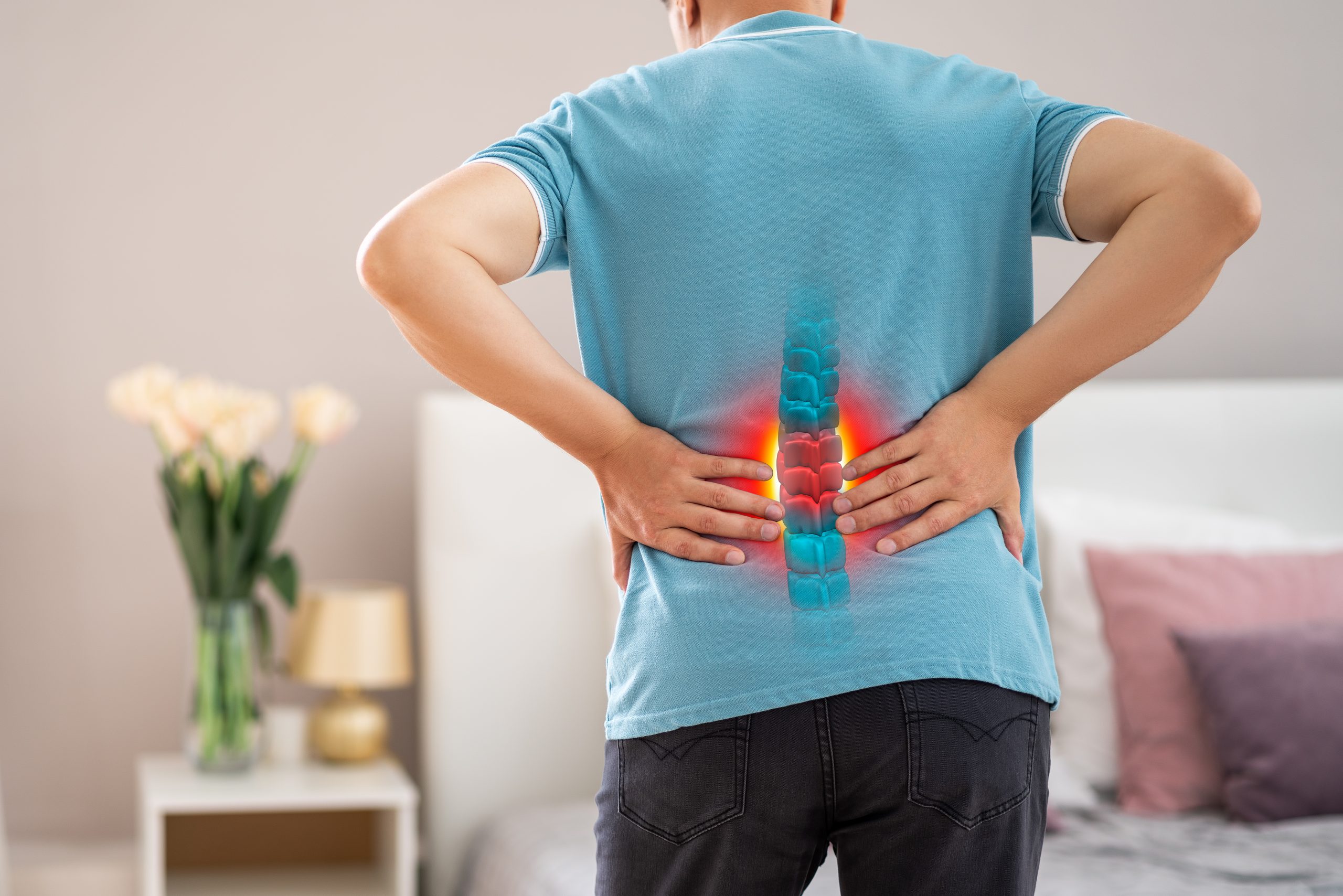
Osteoporosis, a condition characterized by brittle bones and increased fracture risk, has traditionally been viewed as a women’s health issue. However, recent studies highlight that men are also significantly affected. Research from the CDC and NHANES shows that 40.7% of men over 65 experience low bone mass, underscoring the need for gender-neutral health strategies. This shift in understanding is crucial for addressing the rising prevalence of osteoporosis in men and ensuring effective prevention and treatment protocols.
NEW: More men are now living long enough to develop osteoporosis. But few are aware of the risk, and fewer still are screened and treated.@paula_span reports. ⤵️ https://t.co/nDFeMdSkYB
— KFF Health News (@KFFHealthNews) October 14, 2025
Diagnostic Disparities and Risk Factors
Despite the evident risks, men are often underdiagnosed with osteoporosis due to gender biases in health screenings. While women benefit from routine bone density tests, men frequently miss out, leading to preventable fractures and complications. The International Osteoporosis Foundation reports that 1 in 5 men over 50 will experience an osteoporotic fracture, highlighting the urgent need for improved diagnostic measures. Advocacy groups are pushing for policy changes to ensure that men receive equal attention in osteoporosis screenings.
Watch: Osteoporosis: Shocking Facts About Bone Health You Need #cesoup – YouTube
Impact on Healthcare Systems and Families
The underdiagnosis of osteoporosis in men not only affects the individuals but also places a significant burden on healthcare systems and families. Hip fractures, which are more common among men, are associated with higher mortality and longer hospital stays, increasing economic burdens. Families also face challenges as they deal with the long-term care needs of affected individuals. Addressing these issues requires comprehensive public health campaigns that target men, dispelling myths and encouraging proactive health management.
Awareness and Future Steps
To combat the rising issue of osteoporosis in men, there is a pressing need for increased awareness and updated clinical guidelines. Public health messaging must evolve to include men, emphasizing the importance of bone health across all genders. By doing so, we can reduce preventable fractures and associated healthcare costs. As experts advocate for lowering the age threshold for male screenings, society must rally to support these changes, ensuring a healthier future for all.
Sources:
Why Brittle Bones Aren’t Just a Woman’s Problem
Study on Osteoporosis Risk in Men
International Osteoporosis Foundation Report