
Could sealing your lips at night with tape unlock better sleep, or does it risk your health?
At a Glance
- Mouth taping is a trending bedtime practice aimed at promoting nasal breathing.
- Proponents claim benefits like reduced snoring and improved oxygen absorption.
- Experts warn of potential risks, including breathing difficulties and sleep apnea.
- The Sleep Foundation states that benefits are mostly anecdotal with limited scientific backing.
Understanding Mouth Taping
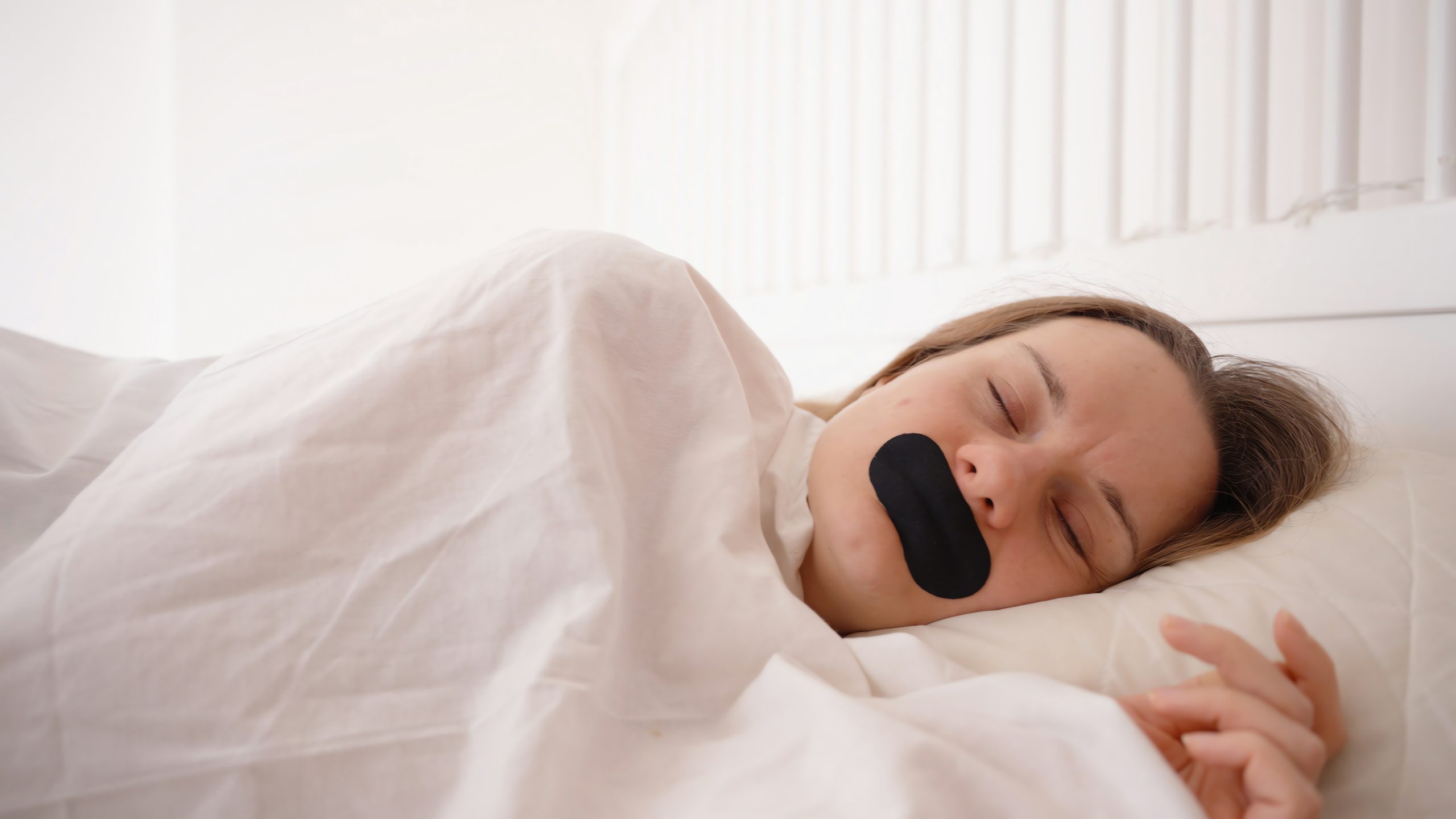
Mouth taping involves sealing the lips with tape at night to encourage nasal breathing. Proponents highlight potential benefits such as enhanced oxygen absorption, reduced snoring, and a well-hydrated mouth. They argue this practice could transform how individuals rejuvenate during sleep. Yet, health experts caution against blindly adopting these claims without understanding the potential risks involved, promoting safety as paramount when trying new wellness trends.
“The main proposed benefit of mouth taping is promoting nasal breathing, which helps filter and humidify air and may reduce snoring or dry mouth for some individuals,” explains Wendy Troxel, Ph.D. Nasal breathing naturally filters and moistens inhaled air, potentially fostering relaxation by lowering stress and improving cardiovascular health. As mouth taping garners popularity, anecdotal reports of well-rested individuals emerge, though these claims await robust scientific endorsement.
Examining the Risks
The Sleep Foundation and other experts underscore the practice’s dangers, especially for those with pre-existing breathing challenges. Risks include aggravating sleep apnea, causing discomfort or anxiety from obstructed airflow, and overseeing fundamental issues like nasal blockages. The practice is unsuitable for individuals with allergies, health conditions, or respiratory complications, emphasizing medical guidance before beginning mouth taping routines.
Appropriate medical-grade tape and testing for skin reactions are advised to minimize side effects. Experts encourage consulting healthcare providers to address the underlying causes of mouth breathing or snoring, advocating treating roots before symptoms. Without professional oversight, taping may merely be a short-lived, ineffective solution for chronic sleep issues.
Exploring Alternatives and Recommendations
For those seeking to enhance sleep naturally, alternative techniques like nasal exercises and lifestyle changes exist. Practices such as alternating nostril breathing or utilizing humidifiers can optimize air quality and respiratory health without the risks of mouth taping. The overarching message from sleep experts is to prioritize safety and individualized care, ensuring any approach aligns with personal health needs.
“While some people report less snoring or better sleep, most of these claims are anecdotal and not well-supported by rigorous research with large and diverse samples,” notes Wendy Troxel, Ph.D.
As curiosity about mouth taping grows, discerning individuals balance potential benefits with risks. Ongoing research and expert insights will determine whether this trend remains a fleeting curiosity or becomes a staple in the quest for better sleep. With healthcare professionals echoing caution, fortified awareness and tailored solutions pave the path to improved, restorative rest.