
Scientists have discovered that your mouth’s health depends on an unexpected ally that has nothing to do with brushing, flossing, or expensive dental treatments.
Story Highlights
- Study of 1,300+ young adults reveals sleep duration directly impacts oral microbiome diversity
- People sleeping 9-10+ hours showed healthiest, most balanced mouth bacteria communities
- Sleep deprivation weakens immune defenses that protect against cavities and gum disease
- Quality sleep affects saliva production, inflammation levels, and hormone balance in the mouth
The Mouth-Sleep Connection Nobody Talks About
Your oral health textbook probably never mentioned this, but the quality and duration of your sleep directly shapes the bacterial ecosystem living in your mouth. While dentists hammer home the importance of proper brushing technique and regular flossing, they rarely discuss how your pillow time affects the microscopic battlefield between your teeth and gums. This oversight represents a massive blind spot in preventive dental care, especially considering how many Americans struggle with both sleep disorders and oral health problems.
The human mouth hosts over 700 different bacterial species, creating a complex ecosystem that can either protect your teeth or destroy them. Sleep emerges as the unsung conductor of this bacterial orchestra, determining whether harmful microbes gain the upper hand or beneficial bacteria maintain protective dominance. This relationship explains why some people develop cavities despite meticulous oral hygiene while others seem naturally resistant to dental problems.
The Research That Changes Everything
Researchers examined the oral microbiomes of more than 1,300 young adults, analyzing both their sleep patterns and the diversity of bacteria living in their mouths. The results revealed a clear pattern that challenges conventional thinking about oral health priorities. Participants who consistently slept 9 to 10 hours or more demonstrated significantly more robust and balanced bacterial communities compared to their sleep-deprived counterparts.
The study’s methodology focused on microbiome diversity as a key indicator of oral health, measuring not just the total number of bacteria but the variety and balance of different species. Higher diversity typically indicates a healthier ecosystem capable of self-regulation and resistance to harmful bacterial overgrowth. The longest sleepers consistently showed this optimal bacterial balance, suggesting that adequate sleep duration creates conditions favorable for beneficial microbes while suppressing problematic species.
Watch:
Meet My Healthy Doc – instant answers, anytime, anywhere.
Why Sleep Transforms Your Mouth’s Defense System
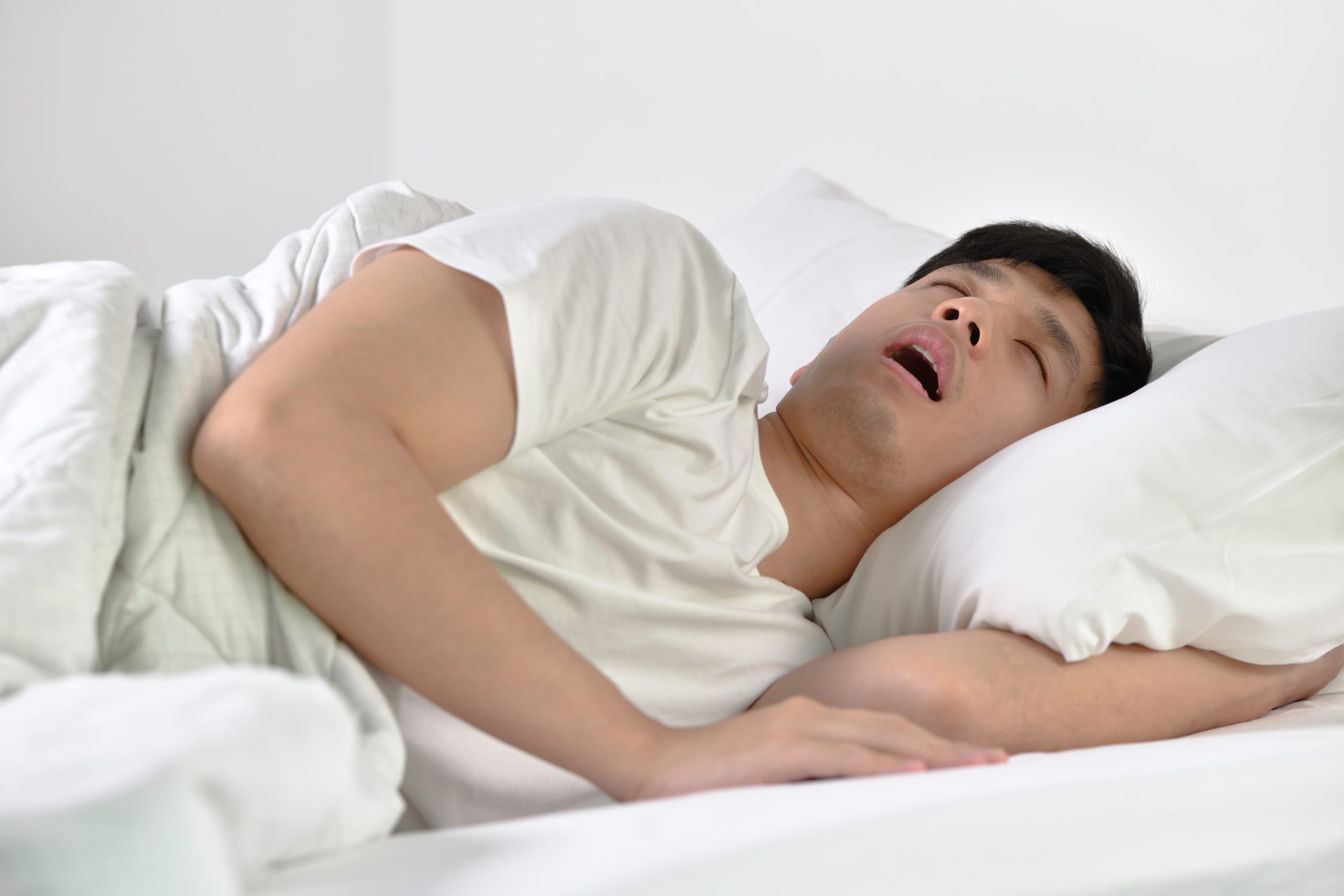
Sleep deprivation launches a cascade of biological changes that directly compromise your mouth’s natural defenses. Your immune system weakens during periods of insufficient rest, reducing your body’s ability to fight off harmful bacteria that cause cavities and gum disease. Simultaneously, chronic sleep loss triggers increased inflammation throughout the body, including the delicate tissues of your gums and oral cavity.
Hormone production also shifts dramatically based on sleep quality and duration, affecting everything from stress hormones like cortisol to growth factors that help repair damaged tissues. These hormonal fluctuations create an environment where pathogenic bacteria can thrive while beneficial species struggle to maintain their protective presence. The research suggests that consistent, adequate sleep helps maintain the hormonal balance necessary for optimal oral microbial health.
Got a health question? Ask our AI doctor instantly, it’s free.
Saliva Production: Your Mouth’s Unsung Hero
Perhaps most importantly, sleep directly influences saliva production and composition, factors that dramatically impact bacterial growth patterns in your mouth. Saliva serves as your mouth’s natural cleaning system, washing away food particles, neutralizing acids produced by harmful bacteria, and delivering protective enzymes and antibodies to vulnerable areas. Sleep-deprived individuals often experience reduced saliva flow and altered saliva chemistry, creating conditions ripe for bacterial imbalance.
During deep sleep phases, your body optimizes saliva production and enhances its protective properties, essentially giving your mouth an intensive overnight cleaning and repair session. This process helps maintain the slightly alkaline environment that beneficial bacteria prefer while making life difficult for acid-producing species that cause tooth decay. Chronic sleep deprivation disrupts this natural restoration cycle, gradually shifting the oral environment toward conditions that favor harmful microbes over protective ones.
Clear answers for common health questions – start now.
Sources: