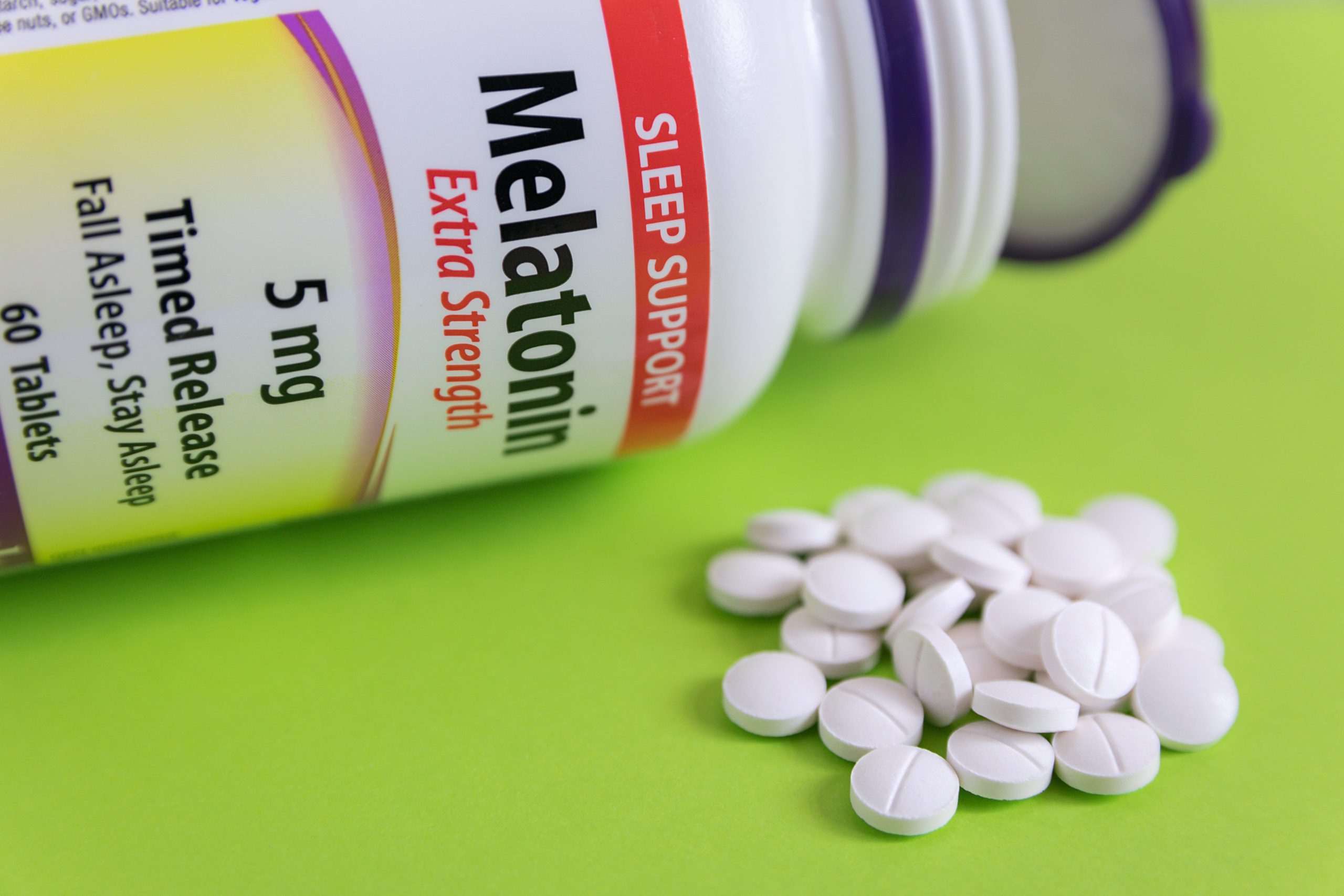

America’s most trusted sleep supplement just got linked to a 90% higher risk of heart failure in a groundbreaking study that challenges everything we thought we knew about melatonin’s safety.
Story Snapshot
- New research of 130,828 adults reveals long-term melatonin users face dramatically higher heart failure risks
- Study found 4.6% heart failure rate in melatonin users versus 2.7% in non-users over five years
- Heart failure hospitalizations occurred 3.5 times more frequently among chronic melatonin users
- Sleep experts now urging patients to stop routine melatonin use for chronic insomnia
- Findings challenge melatonin’s reputation as a harmless, natural sleep aid
The Shocking Heart Connection Nobody Saw Coming
Dr. Ekenedilichukwu Nnadi never expected to discover a cardiovascular bombshell when she began investigating melatonin’s long-term effects. Her research team analyzed five years of health records from over 130,000 adults with insomnia, comparing those who used melatonin for a year or longer against those who avoided it entirely. The results stunned the medical community.
Presented at the American Heart Association’s Scientific Sessions in New Orleans this November, the findings revealed that chronic melatonin users experienced heart failure at rates nearly double their non-using counterparts. Even more alarming, when heart failure did strike melatonin users, they required hospitalization at catastrophically higher rates.
America’s Sleep Supplement Obsession Meets Reality
Melatonin use has exploded across America since the 1990s, with consumption skyrocketing during the pandemic as millions struggled with sleep disruption. Parents desperate for solutions turned to melatonin for their children, leading to a surge in pediatric poisoning cases that forced the American Academy of Sleep Medicine to issue urgent warnings.
The supplement industry has marketed melatonin as nature’s answer to insomnia, but the reality proves far more complex. A 2017 study discovered that 71% of melatonin supplements contained wildly inaccurate doses, with some products delivering up to 478% more melatonin than advertised. This dosage roulette means users never know what they’re actually consuming.
When Natural Doesn’t Mean Safe
Nnadi’s study tracked patients through the TriNetX Global Research Network, capturing real-world usage patterns that previous controlled trials missed. The average participant was 55 years old, representing the demographic most likely to develop both chronic insomnia and cardiovascular disease. The study’s sensitivity analysis confirmed the alarming pattern even when researchers tightened their criteria.
Sleep medicine experts are now sounding the alarm. The accumulating evidence suggests that melatonin’s benefits for general insomnia remain unproven, while the cardiovascular risks appear increasingly real. Dr. Nnadi emphasized that melatonin supplements may not be as harmless as commonly assumed, calling for immediate additional research to confirm these findings.
Watch:
The Industry’s Uncomfortable Reckoning
This revelation arrives at a particularly awkward moment for the supplement industry. Unlike prescription medications, over-the-counter melatonin faces minimal regulatory oversight, allowing companies to make broad claims about safety and effectiveness. The contrast with countries like the United Kingdom, where melatonin requires a prescription, highlights America’s uniquely permissive approach.
Medical professionals who previously considered melatonin a relatively benign option for desperate patients now face difficult conversations. The risk-benefit calculation has shifted dramatically, especially for older adults who already face elevated cardiovascular risks. Some sleep specialists are already advising patients to abandon routine melatonin use entirely, focusing instead on proven sleep hygiene strategies.
Sources:
Sleep Education – New Study Raises Questions About Long-Term Melatonin Use