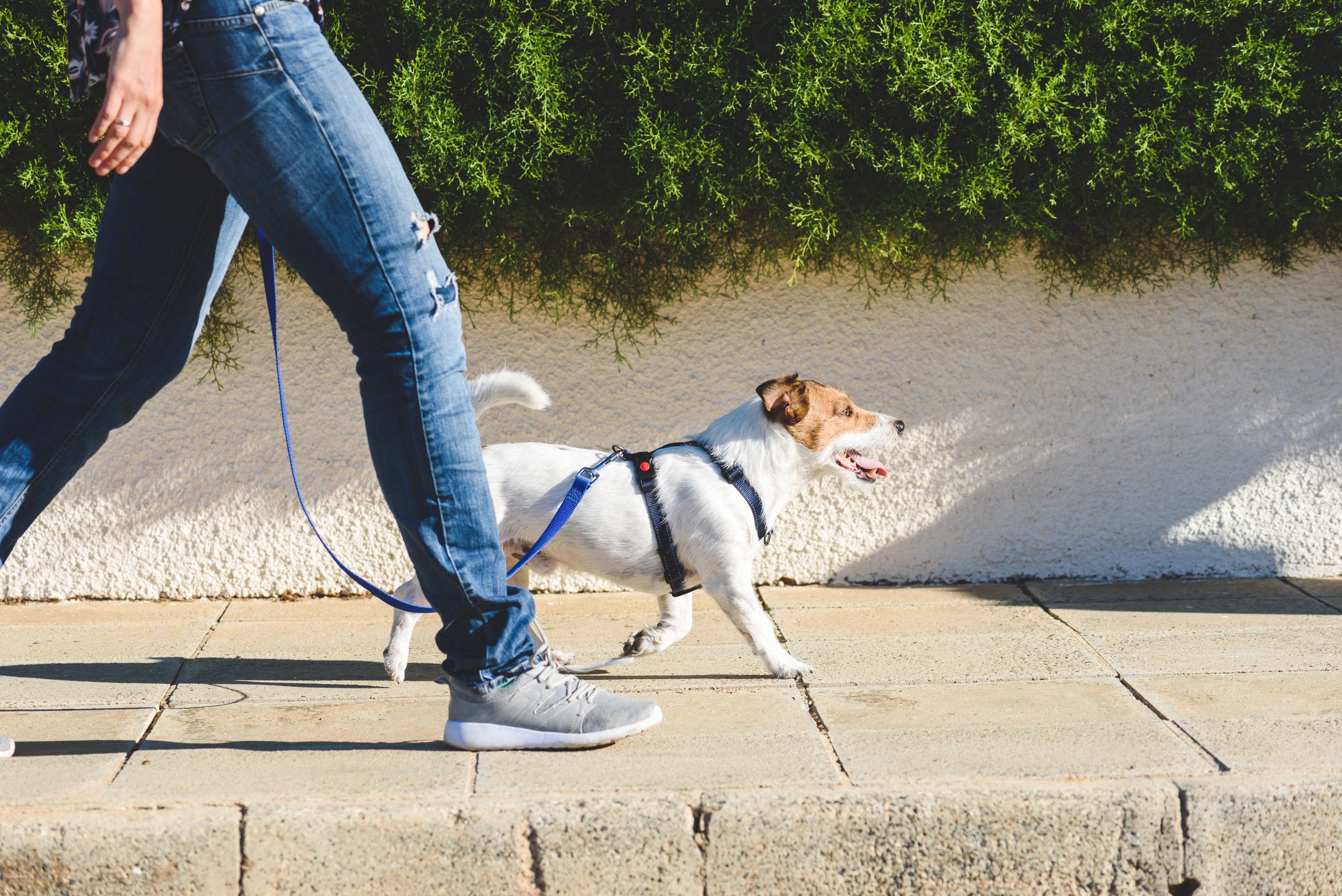

Fewer than 3,800 daily steps more than doubles your dementia risk compared to hitting 9,800, turning a simple walk into your brain’s most critical daily defense.
Story Snapshot
- UK Biobank study of 78,430 adults links low step counts to over 50% higher dementia risk.
- 9,826 steps per day maximizes protection; 3,826 steps captures half that benefit.
- Higher-intensity steps amplify risk reduction beyond total volume.
- Findings challenge 10,000-step myth with precise, accelerometer-measured data.
- Lifestyle changes like walking could prevent up to 45% of dementia cases per Lancet.
Study Reveals Precise Step Threshold for Dementia Prevention
Researchers analyzed 78,430 UK Biobank participants aged 40-79 from 2013 to 2015. They wore wrist accelerometers for seven days to measure daily steps and intensity. Follow-up lasted 6.9 years until 2021, tracking dementia via medical registries. Hazard ratio at 9,826 steps showed 51% lower risk (HR 0.49, 95% CI 0.39-0.62) versus lowest activity. At 3,826 steps, risk dropped 25% (HR 0.75), meaning below this level, individuals face over 50% higher relative risk than optimal.
Intensity mattered: peak 30-minute cadence strengthened associations. Women and younger adults naturally hit higher steps, gaining more protection. Nonlinear dose-response curves plateaued benefits beyond 9,800 steps, debunking endless accumulation myths. Common sense aligns here—consistent movement preserves brain health without gym extremes.
Your instant doctor companion – online 24 hours a day.
Historical Shift from Vague Advice to Actionable Metrics
Mid-20th-century epidemiology tied vascular risks to cognitive decline. By the 2000s, studies like Boston University’s 2015 findings showed inactivity shrank brains by age 60. JAMA Psychiatry 2016 data linked over three hours of daily TV to double poor cognition odds. UK Biobank’s precise accelerometers advanced this, isolating dementia from broader mortality risks unlike prior 4,400-step death studies.
Lancet Commission 2020 identified 12 modifiable factors; 2024 update added vision loss and cholesterol, estimating 45% preventable cases. Daily walking proxies sedentariness in urban, desk-bound lives, where brain atrophy accelerates 0.5% yearly post-60 due to poor blood flow and neurogenesis.
Intensity and Minimal Doses Outperform Volume Alone
Johns Hopkins 2025 research found five minutes of moderate-vigorous activity daily slashes dementia risk, echoing the study’s cadence emphasis. Alzheimer’s Society reports regular exercise cuts risk 20%. Household tasks count, but purposeful brisk walks yield superior inflammation reduction and brain volume preservation versus prolonged sitting.
Observational limits apply—no direct causation proven, though e-value 3.46 resists confounders. Reverse causation minimized by pre-diagnosis activity tracking. Conservative values favor self-reliant prevention over costly drugs; facts support walking as accessible empowerment for aging independence.
Watch:
Start your health journey now.
Implications Reshape Public Health and Daily Habits
Short-term, wearables and prescriptions target 3,800 steps for quick 25% gains, especially sedentary workers. Long-term, guidelines may adopt 9,800-step optima, averting $1 trillion global dementia costs yearly. Females and youth benefit most from natural activity edges; policy shifts challenge sitting culture via workplace walks.
Stakeholders like JAMA authors and Lancet push quantified doses. WHO and CDC analogs promote steps amid 6.1% annual incidence rise post-50. Fitness tech booms; apps personalize intensity. Robust cohort size and validation affirm reliability, urging immediate action over waiting for perfect proofs.
Your new health companion is online, ready when you are.
Sources:
Association of Daily Step Count and Intensity With Incident Dementia.
PMC review on exercise dosage.
Lancet Commission on 14 modifiable dementia risk factors.
MSU on vision loss and dementia risk.