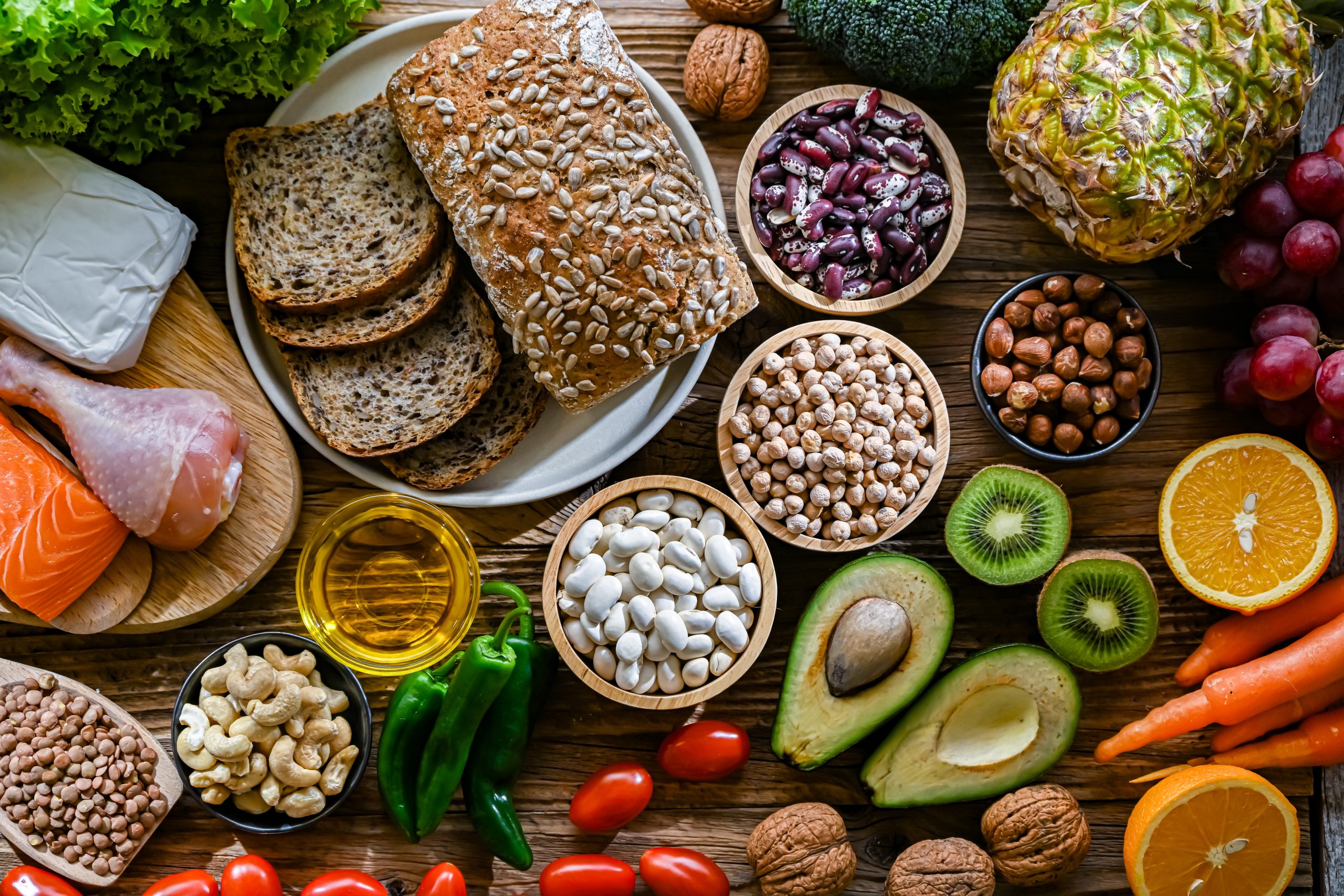

Could a diverse diet of flavonoid-rich foods be the key to a longer, healthier life?
Story Highlights
- Large-scale study suggests flavonoid diversity may reduce chronic disease risk.
- Research based on data from over 120,000 adults highlights lower mortality rates.
- Findings may be influenced by broader healthy lifestyle patterns.
- Ongoing debate about causality and the need for further research.
Understanding Flavonoid Diversity
Recent research published in *Nature Food* shines a spotlight on the potential health benefits of a diet rich in diverse flavonoids. Analyzing data from over 120,000 UK Biobank participants, the study suggests that consuming a variety of flavonoid-rich foods like berries, tea, and apples could lower the risk of chronic diseases, including cardiovascular disease, type 2 diabetes, cancer, and respiratory illnesses. The emphasis on dietary diversity, rather than quantity, marks a shift in nutritional research.
While the findings are promising, experts caution against drawing definitive conclusions. The study’s observational nature means that while there are strong associations between flavonoid diversity and health benefits, causality remains unproven. Researchers have accounted for various confounders, yet the possibility of healthy user bias persists, suggesting that individuals who consume a diverse diet may also engage in other healthy behaviors.
Historical Background and Context
Flavonoids, a class of plant-derived compounds, have long been associated with health benefits due to their antioxidant and anti-inflammatory properties. The concept gained popularity with the “French Paradox,” where low cardiovascular disease rates in France were attributed to red wine consumption, despite high saturated fat intake. This study builds on decades of research, highlighting the importance of flavonoid diversity in potentially prolonging life and preventing disease.
Advancements in nutritional epidemiology and access to large datasets, like the UK Biobank, have enabled more nuanced analyses of dietary patterns. This study marks the first significant effort to assess the impact of flavonoid diversity on health outcomes, offering a fresh perspective amid rising public interest in “superfoods” and dietary strategies for healthy aging.
Implications and Future Directions
The immediate impact of these findings is a surge in public interest in flavonoid-rich foods. However, there’s a risk of oversimplification, leading to “superfood” marketing without a basis in causal evidence. In the long term, these insights might influence dietary guidelines, emphasizing plant diversity over single nutrient focus. This could foster further research, including randomized controlled trials, to directly assess flavonoid interventions.
The study’s implications extend beyond health, potentially influencing consumer behavior and the food industry. A shift towards flavonoid-rich products like berries, tea, and dark chocolate could occur. Despite these possibilities, experts emphasize that public health advice should focus on overall dietary patterns and lifestyle, not isolated foods.
Expert Opinions and Analysis
Industry experts highlight the novelty of focusing on flavonoid diversity. While the study’s findings are compelling, caution is warranted due to the limitations of observational data. Healthy user bias and confounding factors complicate interpretations, with benefits possibly stemming from broader lifestyle choices rather than flavonoids alone.
Academic commentary stresses the need for further research. Randomized controlled trials are essential to determine causal relationships and clarify flavonoids’ specific role in disease prevention. Despite these challenges, even modest improvements in health outcomes, particularly for aging populations, offer meaningful insights into dietary strategies for longevity.