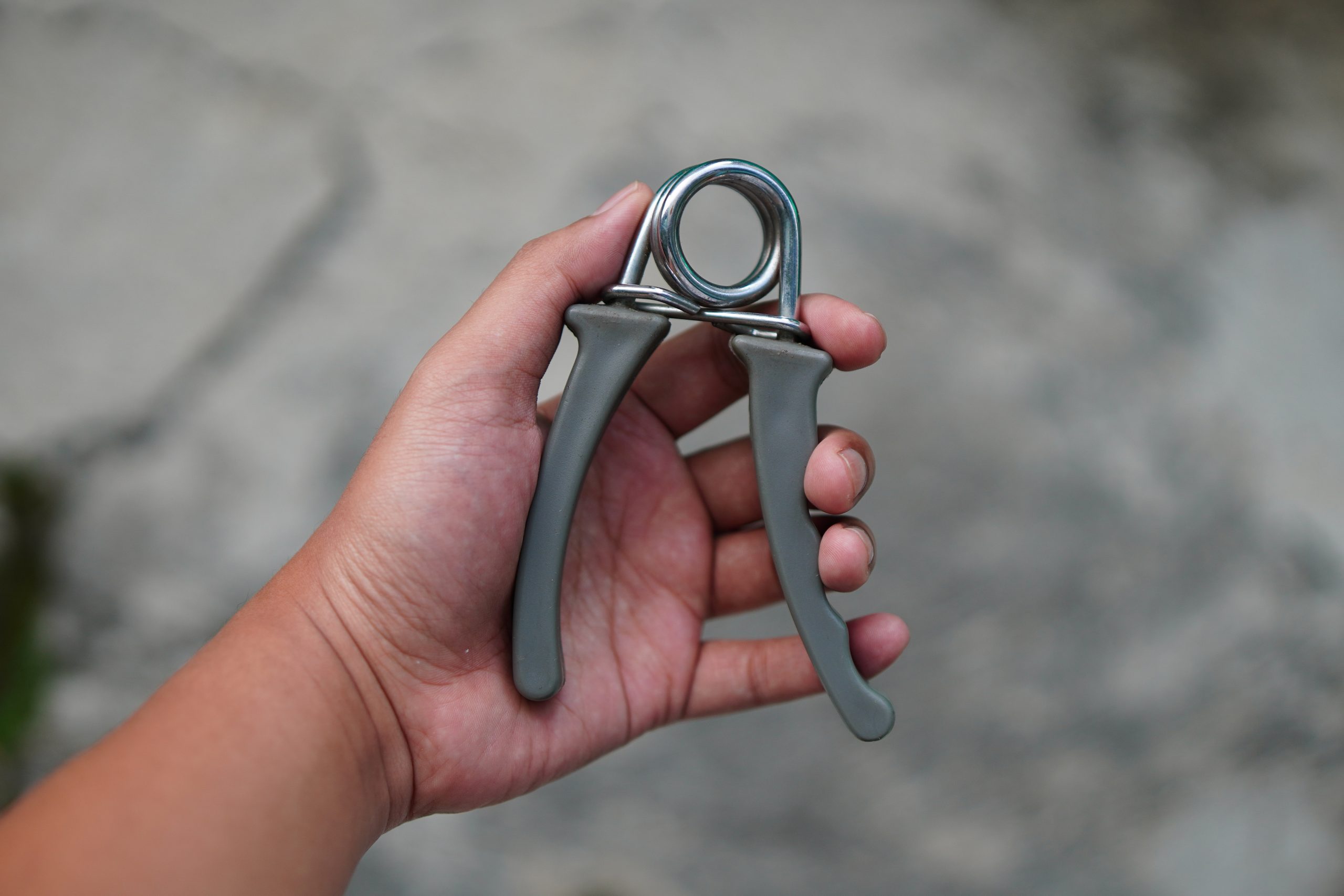

A groundbreaking 12-year study of over 14,000 adults reveals that grip strength predicts mortality more accurately than traditional cardiovascular fitness measures.
Story Highlights
- Adults with lower grip strength showed 45% higher death risk over 12 years compared to stronger peers
- Strength training may be more critical for longevity than cardio, contradicting decades of fitness wisdom
- Multiple large studies show physically active people can gain 10-12 years of life expectancy over sedentary individuals
- Even modest activity levels provide substantial mortality benefits, with diminishing returns at extreme doses
Strength Training Emerges as the Longevity Champion
The fitness world received a seismic shock when researchers tracking 14,000 adults aged 50 and older discovered that muscular strength outperformed cardiovascular fitness as a predictor of who would still be alive after 12 years. Participants with weaker grip strength faced a staggering 45% higher risk of death during the study period. This finding directly challenges the cardio-centric approach that has dominated exercise recommendations for generations.
Grip strength serves as a remarkably accurate proxy for overall muscular health and functional capacity. The research suggests that maintaining muscle mass and strength becomes increasingly critical as we age, potentially more so than achieving impressive cardiovascular benchmarks. This discovery has profound implications for how middle-aged and older adults should structure their fitness routines.
Watch:
The Dose-Response Relationship That Could Add Decades
A massive analysis following 116,221 adults for 30 years revealed the precise exercise formula for maximum longevity benefits. Participants who exercised at two to four times above the recommended moderate activity levels experienced 26-31% lower all-cause mortality rates. The sweet spot appeared to be 300-599 minutes of moderate activity weekly, far exceeding the standard 150-minute guideline most Americans struggle to meet.
The research demonstrates a clear dose-response relationship with diminishing returns. Moving from completely sedentary to moderately active provides the largest mortality reduction, while pushing beyond optimal levels offers minimal additional benefits. Some evidence even suggests extremely high activity volumes may accelerate biological aging, creating a U-shaped curve where moderation wins.
Meet My Healthy Doc – instant answers, anytime, anywhere.
Why All Types of Movement Matter More Than We Realized
An NIH-funded study tracking over 250,000 older adults with an average age of 70 demolished the myth that only certain exercises extend life. All seven activity types examined including walking, running, swimming, cycling, racquet sports, golf, and other aerobic activities reduced mortality risk. Surprisingly, racquet sports topped the list for longevity benefits, followed closely by running and jogging.
Even brief bursts of activity dubbed “exercise snacks” show meaningful health benefits. These short episodes of movement such as brisk stair climbing or quick walks provide cardiometabolic advantages and support longevity goals. The message is clear: any movement beats no movement, and consistency trumps intensity for most people seeking to extend their lifespan.
Start your health journey in under a minute.
The Genetic Reality Check from Twin Studies
Finnish researchers studying 22,750 twins over 45 years provided crucial context about exercise and longevity claims. When genetic factors and early-life influences were controlled, moderate physical activity still reduced mortality risk by approximately 7%. However, higher activity levels provided no additional long-term survival benefits once these confounding variables were addressed.
The twin study revealed that both extremely low and extremely high activity levels are associated with accelerated biological aging based on epigenetic markers. This research suggests that while exercise clearly benefits longevity, the relationship is more nuanced than simple “more is always better” headlines suggest. The findings support moderate, sustainable activity levels rather than extreme exercise regimens.
Grip strength is a strong predictor of mortality across cohorts and meta-analyses. Simple to measure, clinically useful.
— Barbell Shrugged (@BarbellShrugged) December 16, 2025
References: Celis-Morales CA et al. BMJ. 2018.
Soysal P et al. Exp Gerontol. 2021
DM us to learn more. pic.twitter.com/NMW4EjMaOt
Smart health starts here, try My Healthy Doc today.
Sources:
12-Year Study Reveals Which Exercise Boosts Longevity More Than
12-year study reveals the type of exercise that makes you live longer — it’s not cardio
Does exercise really extend life? Finnish twin study offers new insights
Massive study uncovers how much exercise needed to live longer
Science Daily Exercise Research
One critical factor predicts longevity better than diet or exercise, study says