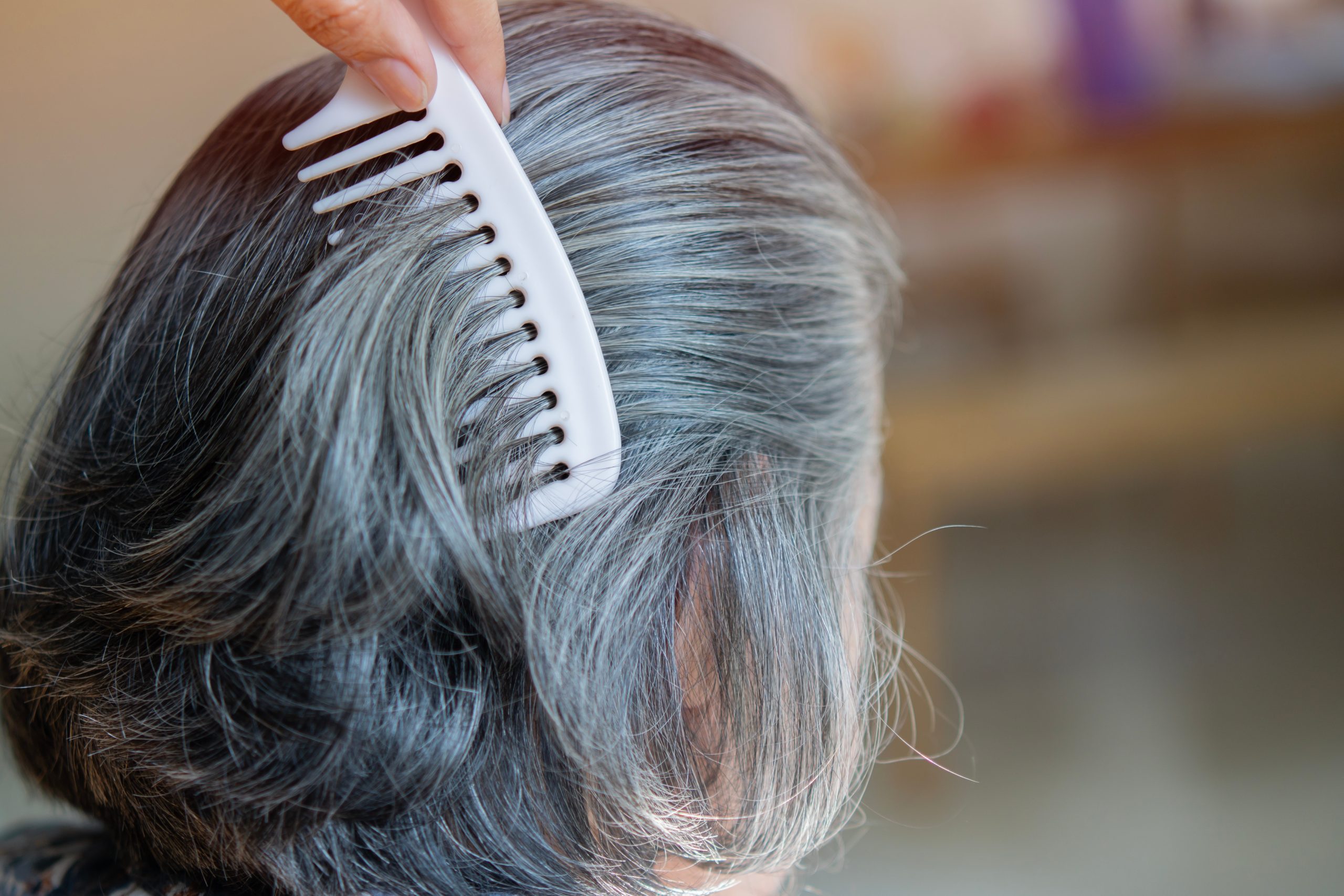

Gray hair could be the body’s secret weapon against cancer, and scientists have just unlocked the code connecting your silver strands to hidden cellular defenses.
Story Highlights
- Japanese researchers discovered gray hair and melanoma share a cellular origin.
- Melanocyte stem cells respond to DNA damage by triggering hair graying, possibly as a protective measure.
- The process, called seno-differentiation, may help suppress cancer formation.
- This breakthrough could reshape how we think about aging, appearance, and disease prevention.
Gray Hair: Not Just a Cosmetic Issue
Gray hair has long been considered a cosmetic inconvenience, a simple sign of aging or genetics. But a team of Japanese researchers recently uncovered a startling reality: those silver strands may reflect a much deeper biological process—one that could be fighting cancer right under your nose. Melanocyte stem cells, responsible for hair pigmentation, share their roots with melanoma, the deadliest form of skin cancer. This connection has scientists rethinking what it actually means when your hair turns gray.
While most people see gray hair as a purely aesthetic concern, the new evidence points to a cellular drama unfolding in the scalp when DNA damage occurs. When the melanocyte stem cells detect genetic harm, they don’t just quietly fade away. Instead, they may trigger a process called seno-differentiation—a form of protective cellular change that leads to hair losing its color. This isn’t just a sign of aging, but possibly a visible marker of the body’s defense against cancerous transformation.
Scientists just found a surprising link between gray hair and cancer https://t.co/rKyQR1Kjn1
— Un1v3rs0 Z3r0 (@Un1v3rs0Z3r0) October 25, 2025
Seno-Differentiation: The Body’s Cancer Shield
Seno-differentiation is more than a scientific tongue-twister. It’s the biological process where stem cells, sensing danger in the form of DNA damage, exit the cell cycle and transform into mature cells. This irreversible shift prevents them from dividing further and potentially turning cancerous. For melanocyte stem cells, this means abandoning their pigment-production role, resulting in gray hair. The process could be the body’s way of saying “better gray than malignant,” sacrificing pigment to stop a cell from becoming a threat.
Research shows that when melanocyte stem cells undergo seno-differentiation, the risk of developing melanoma may decrease. In other words, gray hair might be evidence that your body chose to stop a potential cancer before it started. This shift in scientific thinking reframes gray hair from a cosmetic annoyance to a possible badge of cellular wisdom—one that signals your tissue’s ability to sense and neutralize cancer risks.
The Surprising Link: Aging, Appearance, and Disease Prevention
The revelation that hair graying and cancer formation are intertwined at the cellular level challenges long-held perceptions about aging. Traditionally, gray hair has been written off as a byproduct of time, stress, or luck. Now, researchers suggest that graying could be a visible record of your body’s anti-cancer efforts, with each silver strand marking an instance where a stem cell avoided malignant transformation. This link opens new avenues for studying how the body senses and responds to DNA damage, with potential implications for diagnosing and treating cancers. Understanding the relationship between gray hair and melanoma may also help scientists develop therapies that mimic seno-differentiation.
What Gray Hair Means for the Future of Cancer Research
This discovery positions gray hair as a window into the body’s ongoing battle with genetic instability and cancer risk. As researchers continue to unravel the cellular mechanisms behind seno-differentiation, new diagnostic and preventive strategies may emerge. One day, clinicians could use hair graying patterns to assess cancer risk or guide treatments that harness stem cells’ natural defense systems. For now, the humble gray hair stands as a testament to the body’s capacity for self-preservation, offering hope and insight into the mysteries of aging and disease.
Sources:
https://www.earth.com/news/scientists-discover-an-unexpected-link-between-gray-hair-and-cancer
https://www.sciencedaily.com/releases/2025/10/251025084553.htm