
You can double your fiber intake, dodge the bloat, and feel lighter in your 50s than you did in your 30s—if you stop “white‑knuckling” salads and start using five smarter, science‑backed moves.
Story Snapshot
- Why your gut rebels when you suddenly “eat healthy” and pile on fiber
- Five specific tweaks that raise fiber without triggering gas and waistband‑popping bloat
- How fiber type, pace, water, and food combos change everything
- Simple ways to train your microbiome so it cooperates instead of complains
Why Most Adults Fail At Fiber (And Pay For It Later)
Most American adults run on fewer than 15 grams of fiber a day when public health targets land closer to 25 grams for women and 38 grams for men. That gap is not a trivia stat; it shows up as constipation, blood sugar swings, stubborn cholesterol, and weight creep that “just happened” over the last decade. The irony: when many people finally try to fix it with a high‑fiber push, they get punished with gas and bloat so uncomfortable they quit within a week.
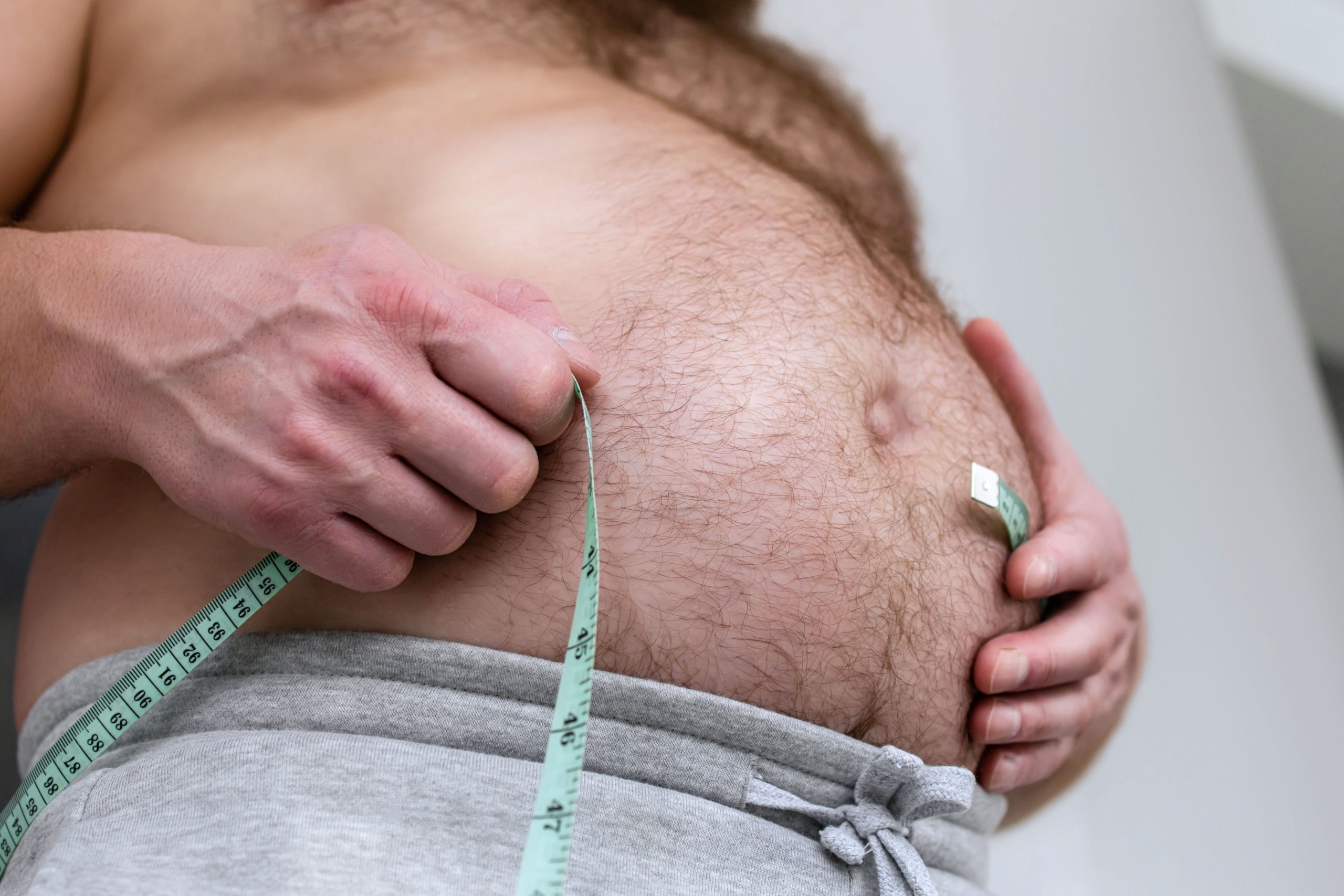
Bloating is not a moral failing or a sign that fiber is “bad” for you; it is a predictable engineering problem. Your colon bacteria feast on certain fibers, especially the soluble, fermentable kind in beans, oats, nuts, seeds, and many fruits. As they digest what you cannot, they release gas. If those bacteria are undertrained—because you have eaten low fiber for years—and you dump in a big load overnight, you get a fermentation overload. The fix starts with pacing.
Strategy 1: Increase Fiber Slowly, In Small, Predictable Steps
Guidance from extension nutrition experts suggests keeping fiber jumps to no more than about 5 grams per day as you ramp up. That does not sound exciting until you remember a half‑cup of beans can add 6–8 grams by itself. Replace one white‑flour food with its whole‑grain cousin, hold that for a few days, then add the next small step. Your microbiome behaves like a 40‑year‑old body starting a gym program: aggressive “day one heroics” backfire, while consistency wins.
Distribute those new fiber grams across the day instead of dropping them in one heroic dinner. A whole‑grain toast at breakfast, a piece of fruit at lunch, vegetables at two meals, and a small portion of beans or lentils beats a single giant “detox” salad for both comfort and adherence.
Strategy 2: Favor Less Gas‑Producing Fiber Sources At First
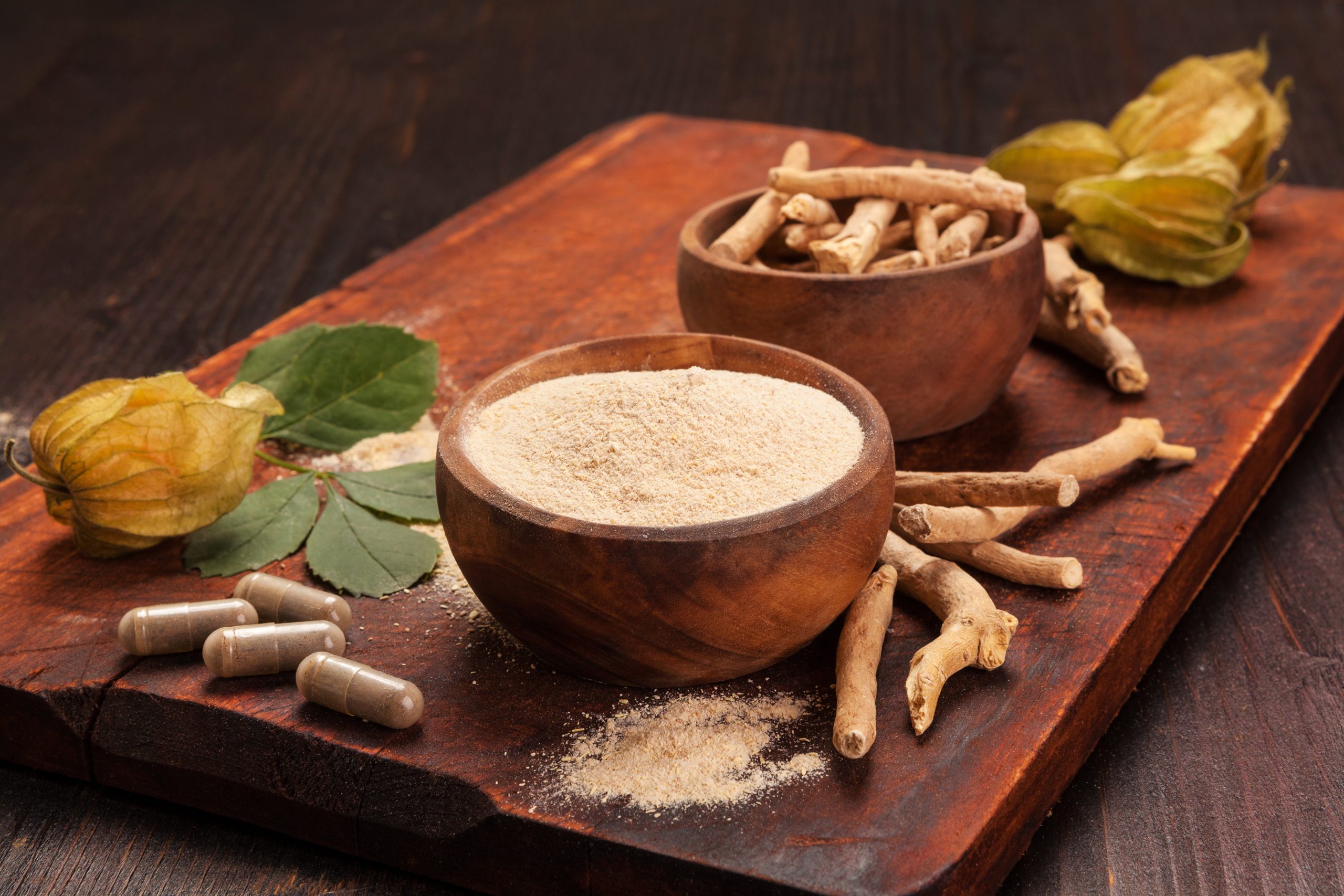
Fiber is not one thing. Insoluble fiber in wheat bran and many vegetables adds bulk and speeds transit but produces comparatively little colon gas. Soluble, fermentable fibers in beans, many fruits, oats, and some prebiotic supplements deliver major health benefits yet generate more gas while your gut bacteria learn to handle them. Gas‑prone newcomers do better starting with mostly vegetables, modest whole grains, and small, cooked portions of the more fermentable foods.
Get fast, reliable health advice from your AI doctor now.
Strategy 3: Match Fiber With Fluids And The Right Food Partners
Fiber without water is like traffic cones without open lanes: everything backs up. As you raise fiber, your fluid needs rise because fiber pulls water into the stool. Skimp on hydration and you can feel heavier, more bloated, and backed up, not lighter. Aim to have water consistently across the day, and pair higher‑fiber meals with beverages, soups, or high‑water foods like citrus, cucumbers, and tomatoes to keep things moving.
Macronutrient pairing also matters. Health guidance from academic medical centers notes that people on high‑fiber, high‑protein diets report more bloating than those who pair that same fiber with higher carbohydrates.
Strategy 4: Use Cooking, Timing, And Microbiome Support To Your Advantage
Cooking changes the experience of fiber without removing its benefits. Gently cooked vegetables, soups, stews, and sautéed greens soften rigid plant cell walls and can be far easier on a midlife gut than piles of raw cruciferous salads. Stews with lentils, carrots, and potatoes often land better than the same ingredients raw. Timing also counts: many people tolerate their highest‑fiber meal best earlier in the day, when they are upright and active, not at 9 p.m. on the couch.
Your microbiome needs training partners, not just heavier weights. Fermented foods like yogurt with live cultures, kefir, sauerkraut, and kimchi, or a well‑chosen probiotic supplement, can support bacterial diversity while you gently raise fiber. That combination—gradual fiber increases plus microbiome support—often leads to less gas over time, not more.
Start your health journey now.
Strategy 5: Build A Sustainable, High‑Fiber Pattern You Can Actually Live With
The long‑term win is not a perfect day of 30 grams of fiber; it is a pattern that keeps you comfortably above the low‑fiber danger zone most of the time. That pattern usually mixes vegetables at two meals, fruit once or twice a day, true whole grains, and modest servings of beans, nuts, and seeds that your gut has learned to tolerate. From a conservative standpoint, that approach respects biology: it works with how the body is built instead of demanding it obey a crash‑course trend.
Watch:
Your new health companion is online, ready when you are.
Sources:
Fiber Without the Bloating: 7 Tips to Increase Fiber Intake and Beat Bloat – Organic India
6 things you can do to prevent bloating – UCLA Health
22 High-Fiber Foods You Should Eat – Healthline
Colon Gas (Flatus) Prevention Diet – GI Care
Get your fiber without the flatulence – Michigan State University Extension