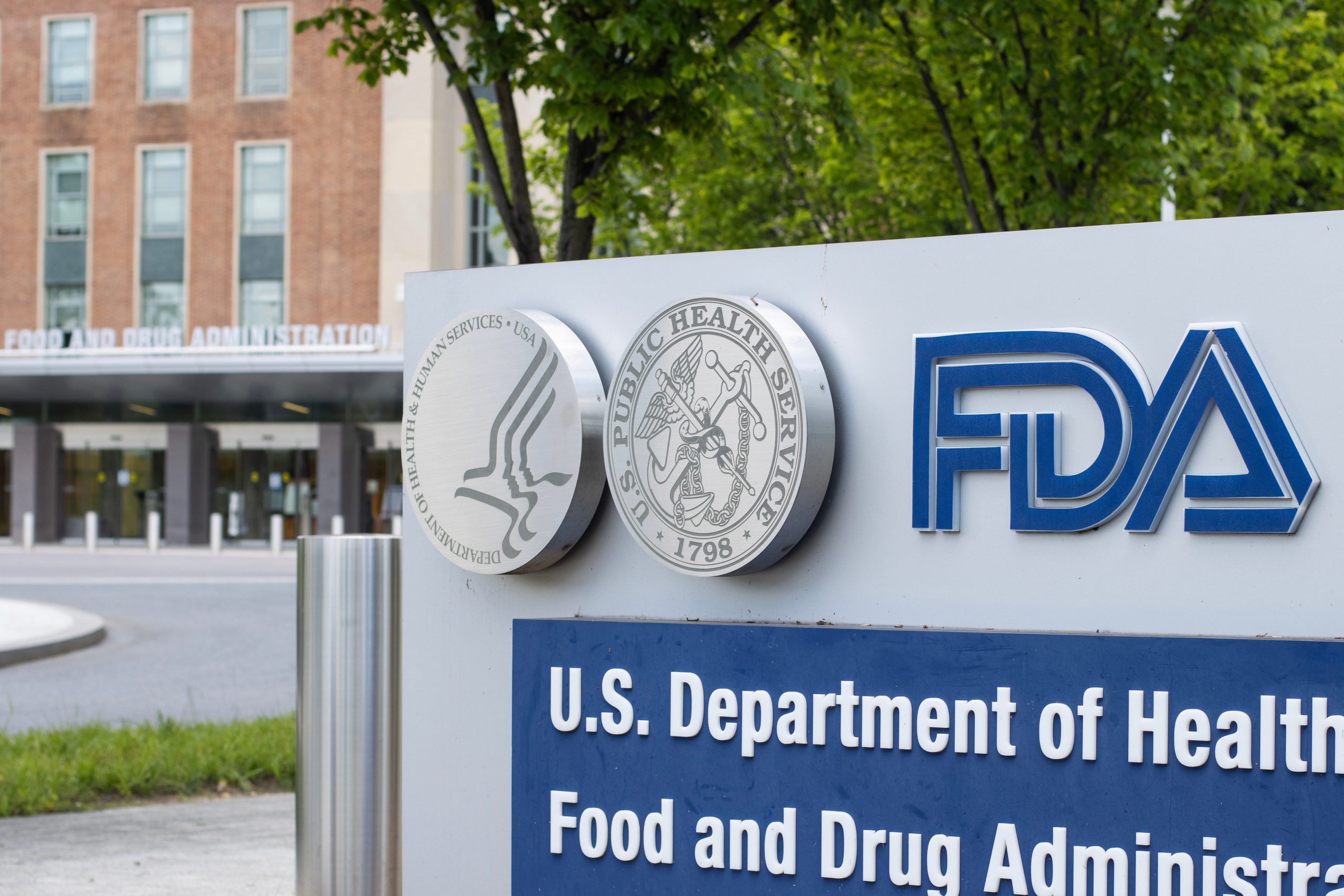

In a controversial move, the FDA has withdrawn a crucial rule that would have mandated asbestos testing in talc-based cosmetics.
Story Snapshot
- FDA withdraws proposed rule for asbestos testing in talc-based cosmetics, reversing prior regulatory protections.
- This action disregards Congressional mandates and leaves consumers exposed to potential asbestos contamination.
- Scientific consensus warns of the health risks associated with asbestos, a known carcinogen.
- The decision reflects a deregulatory philosophy prioritizing industry flexibility over consumer protection.
Regulatory Reversal: A Public Health Concern
The Trump Administration’s decision to withdraw the FDA’s proposed rule for standardized asbestos testing in talc-based cosmetics has sparked widespread criticism from public health advocates. The rule was initially mandated by Congress through the Modernization of Cosmetics Regulation Act of 2022, but its withdrawal represents a significant regulatory rollback. This decision comes at a time when the safety of cosmetic products, especially those containing talc, is under intense scrutiny due to potential asbestos contamination.
Asbestos is a known carcinogen with no safe level of exposure, linked to diseases like mesothelioma and ovarian cancer. Talc, often found in proximity to asbestos in natural deposits, poses a contamination risk. Despite this, the existing regulatory framework for testing talc-based products is outdated and inconsistent. The withdrawn rule aimed to establish uniform, scientifically validated testing methods to protect consumers, particularly women and children, who are the primary users of these products.
Watch:
Congressional Intent vs. Executive Action
Congress had explicitly mandated the creation of standardized asbestos testing methods in the Modernization of Cosmetics Regulation Act of 2022, reflecting a legislative consensus on the need for enhanced consumer safety measures. The FDA’s proposed rule was an effort to comply with this mandate, ensuring that all cosmetic manufacturers would adhere to uniform testing standards.
The decision has raised alarms among public health advocates and organizations like the Asbestos Disease Awareness Organization (ADAO). Linda Reinstein, a mesothelioma widow and cofounder of ADAO, criticized the withdrawal as a setback for public health, emphasizing that inadequate testing methods fail to reliably identify hazardous asbestos fibers.
Implications for Consumers and Industry
The withdrawal of the proposed rule means that cosmetic manufacturers are not required to adopt new compliance measures for asbestos testing, at least in the short term. This lack of regulatory oversight increases the risk of asbestos-contaminated products entering the market, potentially affecting millions of consumers. The long-term health implications of continued exposure to such products may not be fully realized for decades, given the slow development of asbestos-related diseases.
F.D.A. Withdraws Rule to Require Testing Cosmetics Made With Talc for Asbestos – The New York Times https://t.co/u0jYz3viER
— Frances (@fhicks106) November 26, 2025
Economically, the cosmetics industry avoids the costs associated with implementing new testing standards. However, this benefit comes at the potential expense of consumer health, as individuals may face future medical costs related to asbestos exposure. Socially, the decision may exacerbate health disparities, with vulnerable populations having less access to safer alternatives. Politically, the move reflects broader debates on the balance between regulatory oversight and industry flexibility.
Sources: