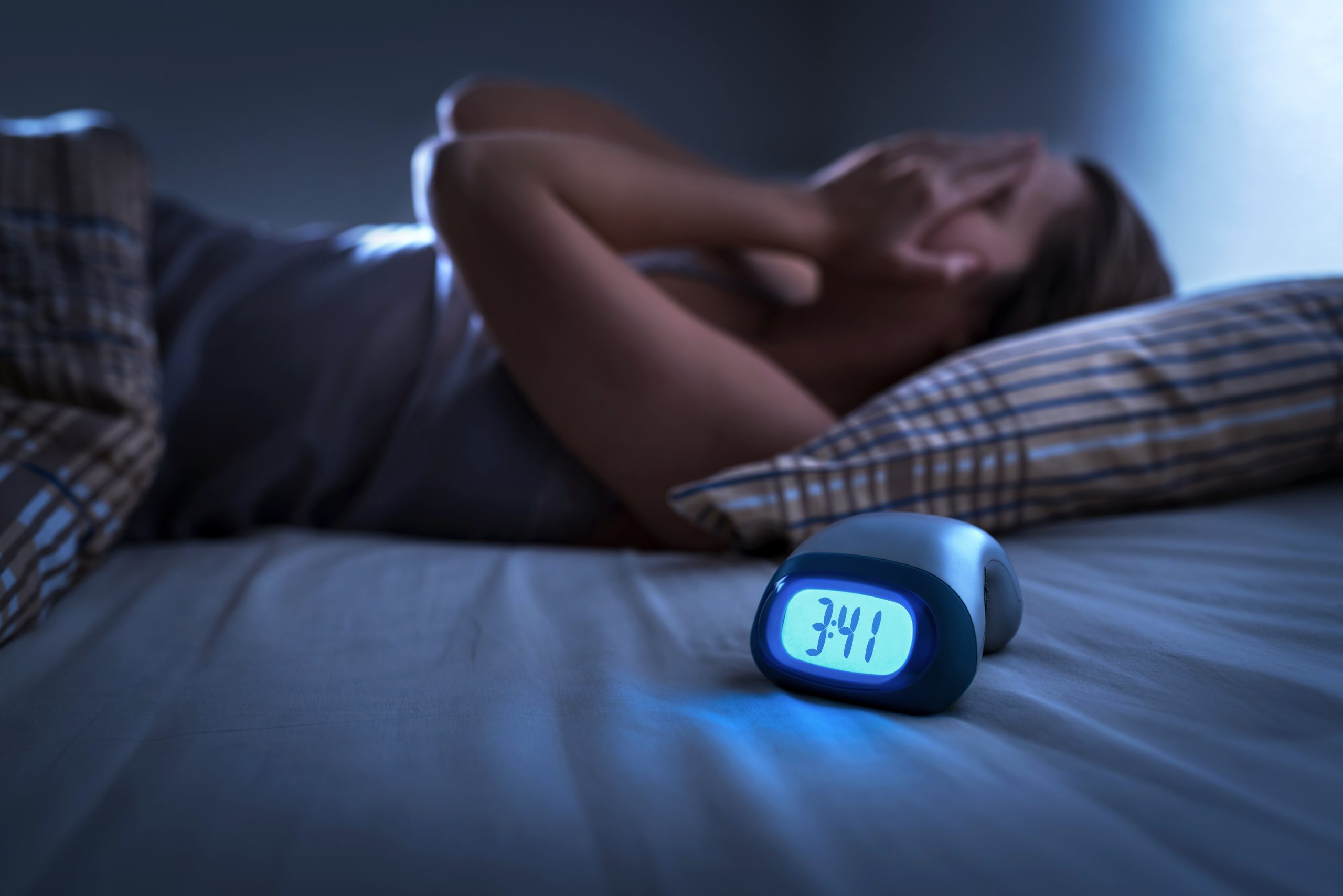

A groundbreaking study reveals that disrupted sleep patterns and weakened daily rhythms could serve as early warning signs for dementia, offering families a new tool to detect cognitive decline before it’s too late.
Story Highlights
- Major study of 2,183 older adults links weak circadian rhythms to 2.5 times higher dementia risk
- Simple wearable monitors tracked participants for 12 days, then followed cognitive health for three years
- Those with disrupted body clocks and later daily activity peaks showed 45% elevated dementia rates
- Researchers identify potential early intervention through light therapy and consistent daily routines
Massive Study Links Body Clock Disruption to Dementia Risk
Researchers at UT Southwestern Medical Center analyzed data from 2,183 participants with an average age of 79, none showing dementia symptoms at the study’s start. Using chest monitors for 12 days, scientists tracked rest-activity patterns with unprecedented precision. Over three years of follow-up, 176 participants developed dementia. The results published in Neurology revealed striking differences: those with the weakest circadian rhythms experienced 106 dementia cases compared to just 31 in the strongest rhythm group.
Later Activity Peaks Signal Higher Cognitive Risk
The study identified specific timing patterns that predict dementia development. Participants whose daily activity peaked at 2:15 p.m. or later showed a 45% higher risk of cognitive decline compared to those peaking between 1:11-2:14 p.m. Lead researcher Dr. Wendy Wang noted each standard deviation drop in rhythm strength corresponded to a 54% increased dementia risk. These findings suggest our internal biological clocks may serve as powerful predictors of brain health, even after accounting for age, blood pressure, and other health factors.
A weak body clock may be an early warning for dementia
— The Something Guy 🇿🇦 (@thesomethingguy) January 4, 2026
Your daily rhythm may matter more for brain health than previously thought. Older adults with weaker, more disrupted activity patterns were far more likely to develop dementia than those with steady routines. A later daily…
Meet My Healthy Doc – instant answers, anytime, anywhere.
Sleep Disruption Threatens Brain’s Natural Defenses
The research builds on decades of evidence linking sleep quality to cognitive function. Studies show 25-66% of Alzheimer’s patients experience sleep disruptions before diagnosis, correlating with amyloid plaque accumulation and brain inflammation. Sleep deprivation interferes with the brain’s natural cleaning processes that remove toxic proteins associated with dementia. Wang’s team theorizes that circadian disruptions may accelerate this harmful buildup while weakening the brain’s inflammatory defenses.
Mouse studies by Dr. Erik Musiek at Washington University demonstrate how rhythm disruption reprograms 41 Alzheimer’s-risk genes in brain cells responsible for clearing plaques. This suggests circadian health directly influences the brain’s ability to protect itself from neurodegenerative damage. The suprachiasmatic nucleus, our brain’s master clock, shows significant neuronal loss in Alzheimer’s autopsies, creating a vicious cycle of sleep disruption and cognitive decline.
Got a health question? Ask our AI doctor instantly, it’s free.
Early Detection Opens Door for Prevention Strategies
Unlike genetic factors beyond our control, circadian rhythms represent modifiable risk elements that families can address proactively. The study’s use of simple wearable technology suggests affordable screening methods could identify at-risk individuals years before symptoms appear. Wang advocates for intervention trials using light therapy, consistent sleep schedules, and daily routine optimization to strengthen biological rhythms and potentially prevent dementia onset.
This research empowers families with actionable knowledge about protecting cognitive health through lifestyle choices. Rather than waiting helplessly for genetic destiny to unfold, older adults can now monitor their circadian strength and take corrective measures. The findings represent hope that simple, cost-effective interventions might significantly reduce dementia incidence across aging populations, though researchers emphasize the need for controlled intervention studies to prove causation.
Watch:
Your instant doctor companion – online 24 hours a day.
Sources:
A weak body clock may be an early warning for dementia
Irregular Circadian Rhythms Linked to Dementia
Alzheimer’s disrupts circadian rhythms of plaque-clearing brain cells