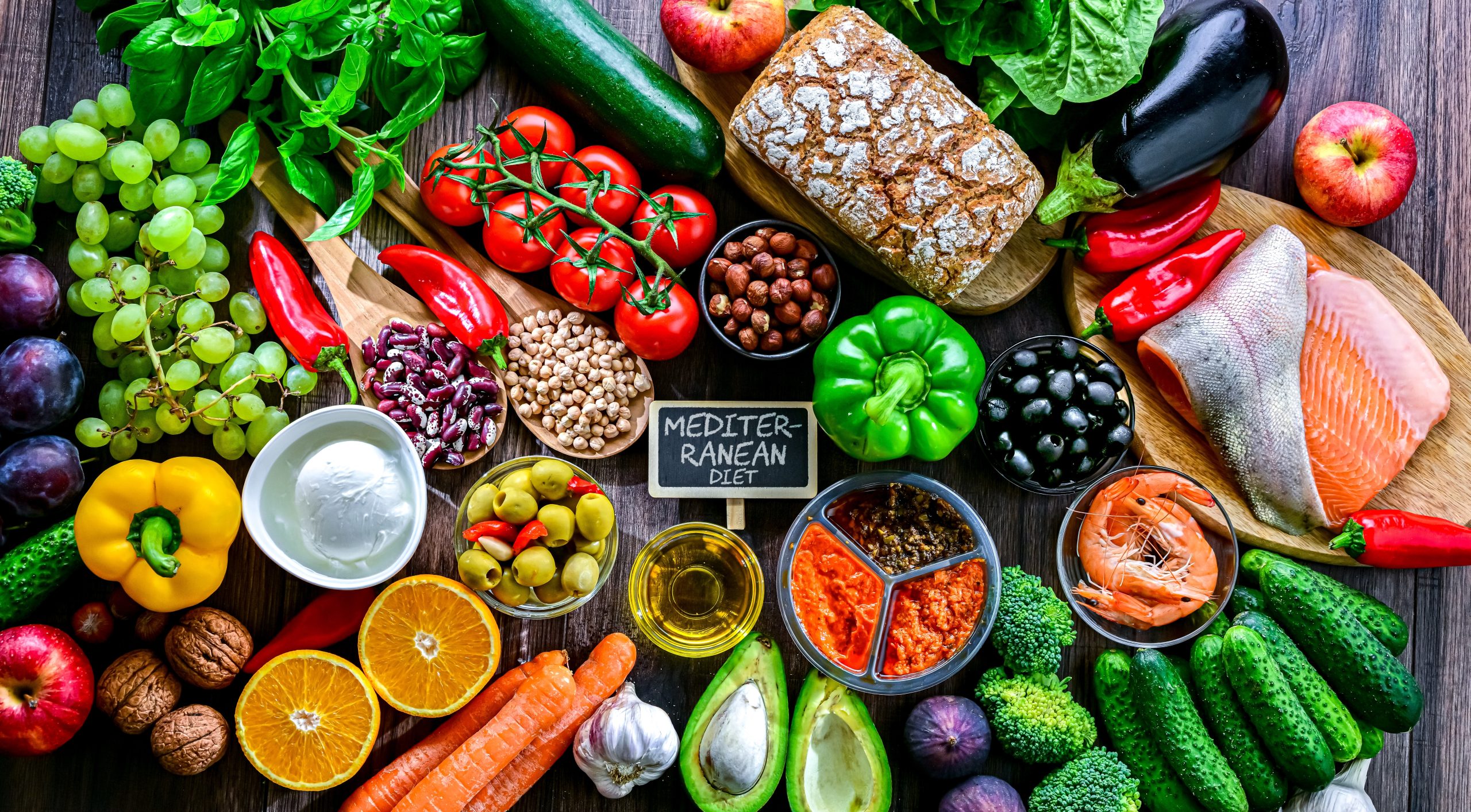

Could a shift in your diet significantly slash your risk of developing dementia?
Key Points
- A Mediterranean diet may reduce dementia risk by up to 23%.
- The diet emphasizes whole grains, fruits, vegetables, fish, and olive oil.
- Even those with a genetic predisposition to dementia can benefit.
- The study highlights correlation, not causation, necessitating further research.
The Mediterranean Diet and Dementia
A groundbreaking study from Newcastle University has unearthed a compelling link between the Mediterranean diet and a reduction in dementia risk. Over a decade-long examination of more than 60,000 individuals revealed that those who adhered most closely to this diet experienced up to a 23% decrease in their likelihood of developing dementia. This impressive figure has prompted health experts to advocate for the Mediterranean diet as a viable strategy for enhancing brain health.
The Mediterranean diet, renowned for its heart-healthy attributes, emphasizes the consumption of vegetables, fruits, whole grains, beans, nuts, olive oil, and fish, while minimizing red and processed meats, sugary foods, and highly processed products. This dietary pattern has long been associated with a host of health benefits, and now it appears to play a significant role in maintaining cognitive function as well.
Watch:
Genetic Predisposition and Diet
One of the most remarkable findings of the study is that the benefits of the Mediterranean diet extend even to individuals with a high genetic predisposition for dementia. This suggests that diet can potentially mitigate inherited risk factors, offering a glimmer of hope for those who might otherwise feel resigned to their genetic fate. While the study does not establish causation, it provides compelling evidence that diet can exert a powerful influence on brain health.
These findings align with longstanding public health advice to adopt a Mediterranean-like diet, not only for cardiovascular benefits but also as a means to support long-term cognitive health. By focusing on whole, minimally processed foods, individuals can take proactive steps toward reducing their dementia risk.
Start your health journey now.
Correlation, Not Causation
While the Newcastle University study presents promising results, it is essential to emphasize that it demonstrates correlation, not causation. More research is needed to definitively prove that the Mediterranean diet directly prevents dementia. However, the study’s findings add to a growing body of evidence supporting the health benefits of this dietary pattern, making it an attractive option for those looking to enhance their overall well-being.
The emphasis on whole, natural foods and the reduction of ultra-processed items is a key strategy highlighted by experts. Moving away from heavily processed foods not only benefits brain health but also contributes to improved physical health, making it a win-win situation for anyone looking to make positive dietary changes.
Get fast, reliable health advice from your AI doctor now.
Practical Steps Toward Brain Health
The Mediterranean diet’s potential to reduce dementia risk underscores the importance of making informed dietary choices. Incorporating more fruits, vegetables, whole grains, and healthy fats into one’s diet can be a practical and effective way to support brain health. This approach is not only accessible but also sustainable, offering a realistic path for individuals to follow.
While more research is needed to fully understand the relationship between diet and dementia, the evidence thus far is compelling. The Mediterranean diet offers a delicious and healthful way to potentially safeguard cognitive function, making it an appealing choice for those seeking to improve their long-term health.
Watch;
Your new health companion is online, ready when you are.
Sources: