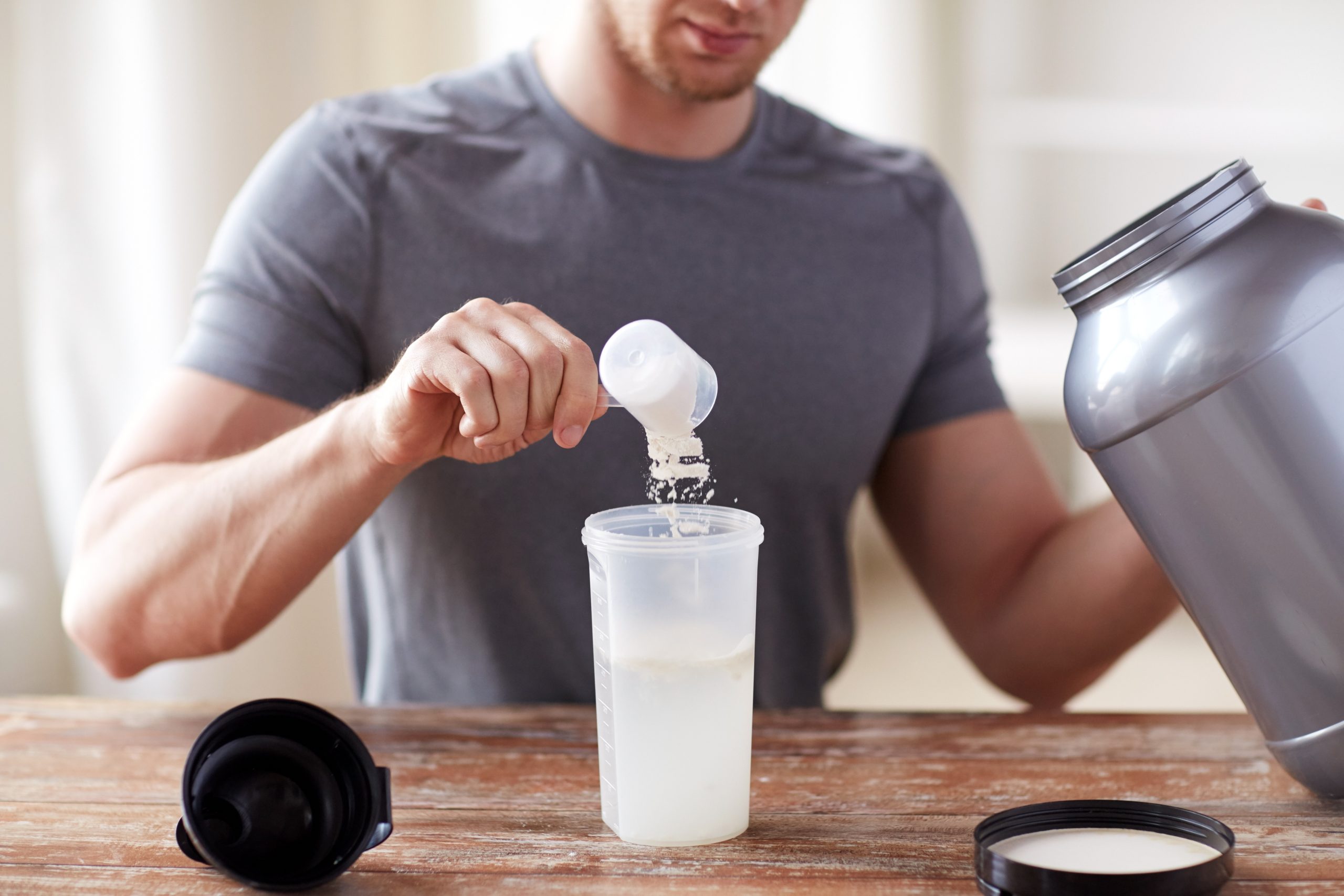

Imagine defying the odds and building more muscle at 50 than you had at 30—sounds like a fantasy, right? The “Max Muscle at 50” program promises just that.
At a Glance
- Age-related muscle loss can be countered with the right training.
- The “Max Muscle at 50” program is tailored for men over 50.
- It emphasizes safety, joint health, and effective muscle-building.
- Structured resistance training and protein intake are key.
Understanding Age-Related Muscle Loss
Sarcopenia, or age-related muscle loss, starts around age 30 and accelerates with age. Muscle mass declines at about 3-5% per decade. This isn’t just a minor inconvenience; it’s a major health risk, increasing the likelihood of falls, fractures, and metabolic disorders. But don’t worry, all hope isn’t lost. Resistance training is the superhero in this story, and it’s been proven as the most effective way to combat muscle loss in older adults.
The challenge, however, is that traditional high-intensity workouts can be risky for those over 50. That’s where the “Max Muscle at 50” program comes in. Developed by fitness expert Bryan Krahn, who himself is over 50, this program offers a safe, effective way to build muscle without the worry of injury.
Watch: How To Avoid Age-Related Muscle Loss 💪🏻
The “Max Muscle at 50” Program Explained
The program is a four-week, gym-based regimen designed with safety and efficacy in mind. It includes four core training days focusing on different muscle groups and an optional fifth day for arm exercises. Instead of risky barbell lifts and heavy loads, it relies on controlled, moderate-intensity resistance exercises. This approach not only builds muscle but also protects joints and prevents injuries, making it ideal for older adults.
Participants are encouraged to focus on consistency and proper form, rather than just lifting heavier weights. The program also includes detailed exercise instructions and tracking tools, making it accessible even to those without advanced training knowledge. This is about training smart, not hard.
The Science Behind the Gains
What makes the “Max Muscle at 50” program effective is its grounding in scientific research. Studies show that men aged 50–83 can achieve significant gains in lean body mass through structured resistance training, with an average 2.4-pound increase in muscle mass. The program emphasizes the combination of progressive resistance training and adequate protein intake, both of which are crucial for muscle maintenance and growth in older adults.
Experts from Harvard Health and other reputable sources advocate for progressive resistance training as the gold standard for muscle maintenance. They also caution against over-reliance on hormonal supplements like testosterone, highlighting the potential adverse effects and lack of FDA approval for muscle-building in older men.
Watch: Does Increasing Protein Intake Slow Age-Related Muscle Mass Loss?
Impact and Implications
The “Max Muscle at 50” program is more than just a workout plan; it’s a movement. In the short term, participants can expect improved muscle mass and strength, reducing fall risk and enhancing quality of life. In the long run, this could lead to reduced healthcare costs related to falls, fractures, and metabolic diseases associated with sarcopenia.
Beyond personal benefits, the program is setting a precedent for age-specific fitness initiatives. It encourages innovation and research in the fitness industry, promoting age-inclusive, evidence-based programs. This could eventually influence public health guidelines and aging policy, highlighting the importance of resistance training for older adults.