
Despite being the most abundant protein in the human body, collagen falls short of qualifying as a complete protein due to its missing essential amino acid tryptophan—yet this hasn’t dampened its popularity in the health and wellness market.
At a Glance
- Collagen is not a complete protein as it lacks tryptophan, one of the nine essential amino acids needed for protein synthesis
- Despite being incomplete, collagen provides valuable structural support for skin, joints, bones, and connective tissues
- Collagen production naturally decreases with age, contributing to wrinkles and joint discomfort
- Supplements are available but unregulated by the FDA; a balanced diet and healthy lifestyle can support natural collagen production
Understanding Collagen’s Role in the Body
Collagen serves as the fundamental building block for much of the human body, accounting for approximately one-third of its protein composition. This structural protein provides essential support for skin elasticity, joint function, bone strength, and muscle integrity. Its triple-helix structure, comprised primarily of the amino acids glycine, proline, and hydroxyproline, creates a robust framework that allows tissues to withstand stretching while maintaining their form. As we age, our natural collagen production begins to decline—typically starting around age 25—leading to the familiar signs of aging: wrinkles, sagging skin, and joint discomfort.
This essential protein comes in at least 28 different types, though types I, II, and III make up 80-90% of the collagen in the human body. Type I collagen, found abundantly in skin, tendons, organs, and bone tissue, provides tremendous tensile strength—gram for gram, it’s stronger than steel. Type II predominates in cartilage, supporting joint health, while Type III supports the structure of muscles, organs, and blood vessels. Understanding these different types helps explain why collagen supplements are marketed for such a wide range of benefits, from skin health to joint pain relief.
Why Collagen Is Not a Complete Protein
For a protein to be considered “complete,” it must contain all nine essential amino acids that the human body cannot produce on its own: histidine, isoleucine, leucine, lysine, methionine, phenylalanine, threonine, tryptophan, and valine. While collagen contains most of these, it lacks sufficient tryptophan, the amino acid necessary for serotonin production and mood regulation. This deficiency classifies collagen as an incomplete protein, despite its other valuable properties. Most complete proteins come from animal sources like meat, fish, dairy, and eggs, or from specific plant combinations like rice and beans.
Though collagen’s amino acid profile is imbalanced compared to whey or plant-based complete proteins, it still offers unique benefits. Its high concentrations of glycine, proline, and hydroxyproline specifically support connective tissue health in ways that other proteins don’t. These amino acids provide the building blocks for collagen synthesis, potentially enhancing skin elasticity, joint function, and wound healing. For this reason, many nutritionists recommend incorporating collagen as a supplement to, rather than a replacement for, complete protein sources in the diet.
Many of us lean on supplements to bridge nutritional gaps and bolster our health. However, of the top 10 most popular supplements, 4 are a complete waste of your money and a couple are downright harmful. Let's debunk some myths surrounding these supplements!
— Dr Brad Stanfield (@BradStanfieldMD) October 1, 2023
Full video breakdown…
Collagen Supplements: Benefits and Limitations
The collagen supplement industry has exploded in recent years, with products claiming to improve everything from skin texture to joint pain. These supplements typically come as hydrolyzed collagen or collagen peptides, which have been broken down for easier absorption. While some research supports certain benefits, it’s important to approach these claims with a critical eye. Studies suggest collagen supplements may improve skin elasticity and hydration, reduce joint pain in osteoarthritis patients, and support bone density in postmenopausal women, though results vary considerably between individuals.
An important limitation to consider is that collagen supplements are not regulated by the FDA, meaning quality can vary significantly between brands. Some may contain contaminants like heavy metals or fail to provide the advertised amount of collagen. Additionally, most collagen supplements are derived from animal sources—commonly bovine, porcine, or marine—making them unsuitable for vegetarians and vegans. For those seeking a complete protein source, collagen supplements alone won’t meet all nutritional needs, though some newer products are being fortified with tryptophan to address this limitation.
Supporting Natural Collagen Production
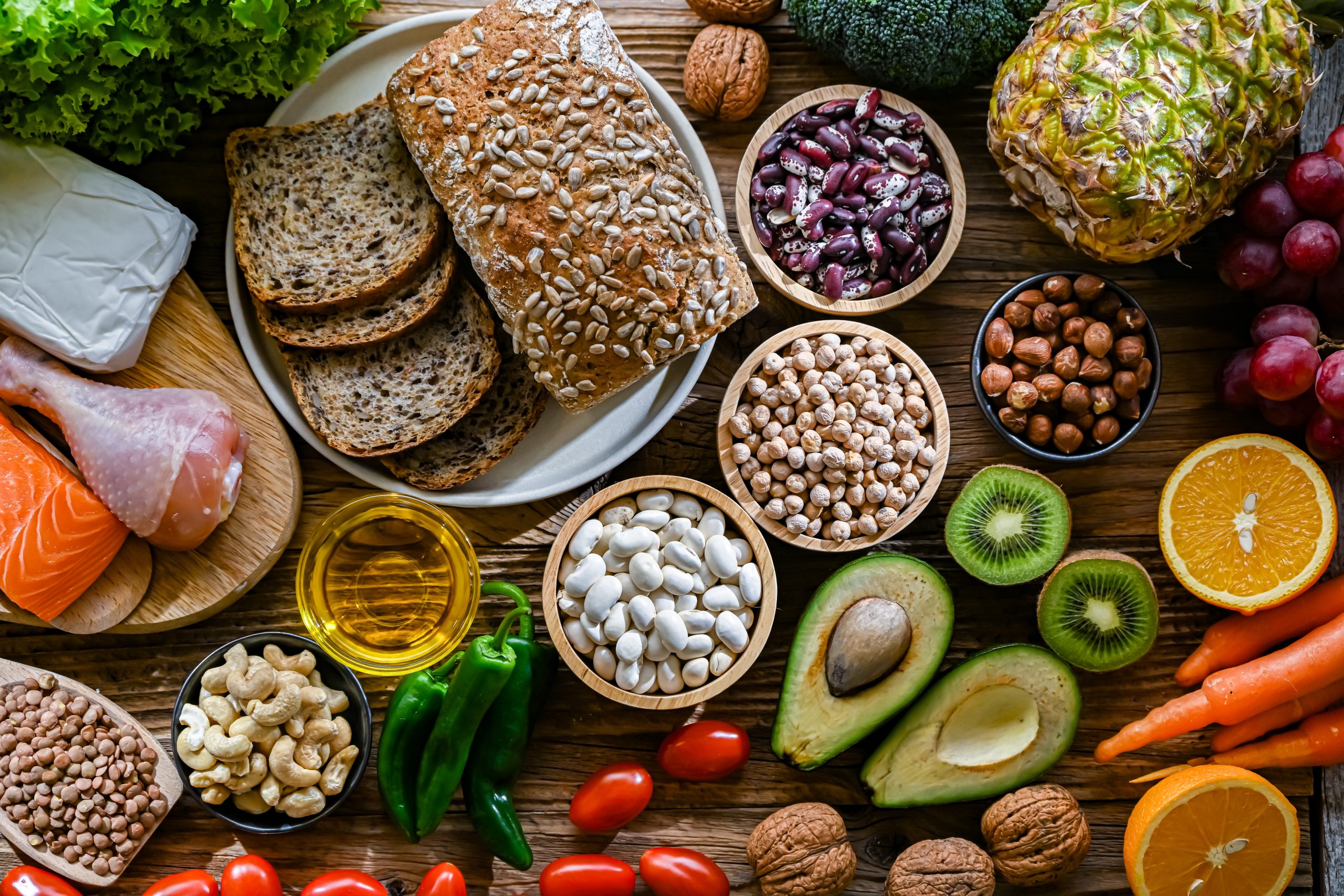
Rather than relying solely on supplements, many health experts recommend focusing on a balanced diet and healthy lifestyle practices to support natural collagen production. Several nutrients play essential roles in collagen synthesis, including vitamin C, which is required for the hydroxylation of proline and lysine amino acids during collagen formation. Foods rich in these collagen-boosting nutrients include citrus fruits, bell peppers, leafy greens, bone broth, fish, chicken, egg whites, and berries. Consuming these foods provides the building blocks your body needs to produce collagen naturally.
Lifestyle factors also significantly impact collagen levels. Sun exposure accelerates collagen breakdown, making daily sun protection crucial for preserving skin collagen. Smoking damages collagen and elastin while decreasing vitamin C levels, creating a double blow to collagen production. High sugar consumption creates advanced glycation end products (AGEs) that damage collagen fibers. Getting sufficient sleep, managing stress, and engaging in regular exercise all support optimal collagen synthesis. These holistic approaches may prove more beneficial and cost-effective than supplements for many individuals.
Who knew that mastering intake of amino acids and general nutrition could lead to you gaining height in your spine?
— _aestheticprimal_ (@aestheticprimal) March 4, 2024
You can grow a long spine at any possible age and here is how:
Anatomy of the spine for better understanding:
If you have ever looked at a picture of a spine… pic.twitter.com/fjZIaytUm8
Making Informed Choices About Collagen
When deciding whether collagen supplements deserve a place in your health regimen, consider your specific goals and overall dietary patterns. If you already consume adequate complete proteins but want targeted support for skin, joint, or bone health, collagen supplements might offer additional benefits. The recommended dosage typically ranges from 2.5 to 15 grams daily, with results usually appearing after 4-12 weeks of consistent use. Look for products that clearly disclose their collagen source, type, and manufacturing practices to ensure quality and safety.
For those concerned about collagen’s incomplete protein status, combining it with tryptophan-rich foods like turkey, chicken, eggs, cheese, or even dark chocolate can create a more balanced amino acid profile. Alternatively, simply ensure your diet includes various complete protein sources alongside your collagen supplement. Remember that while collagen may offer specific benefits, it works best as part of a comprehensive approach to nutrition—not as a miracle solution. Consulting with a healthcare provider before starting any supplement regimen is always advisable, especially for individuals with existing health conditions.
Sources:
https://www.amymyersmd.com/blogs/articles/is-collagen-a-complete-protein
https://www.mdanderson.org/cancerwise/should-i-take-a-collagen-supplement.h00-159462423.html