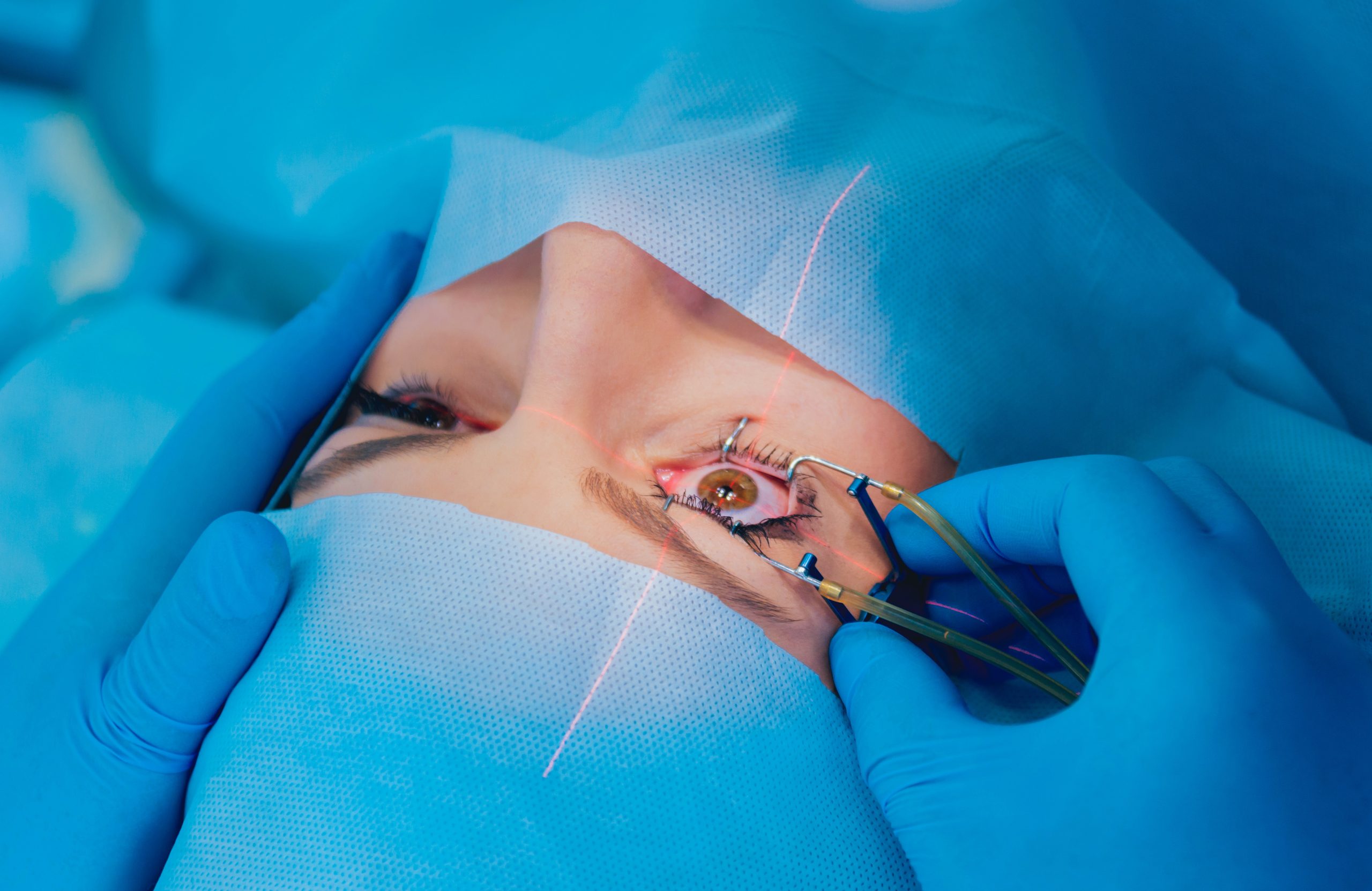

Libya just wiped out a disease that has stolen sight from its people for over a century, and it did so while its nation teetered on the edge of chaos.
Story Snapshot
- Libya becomes the 28th country globally to eliminate trachoma as a public health problem, validated by WHO on February 18, 2026
- Achievement comes despite over a decade of political instability, displacement crises, and compromised water and sanitation infrastructure
- Three-year surgical campaign in southern districts brought trichiasis cases below WHO thresholds by 2025
- Libya now joins seven other Eastern Mediterranean nations in conquering a bacterial infection that causes preventable blindness
A Century-Old Scourge Finally Defeated
Trachoma haunted Libya for more than 100 years, a bacterial eye infection caused by Chlamydia trachomatis that turns eyelashes inward, scraping corneas until blindness sets in. Repeated infections across generations made this neglected tropical disease a grim inheritance in communities already struggling with limited healthcare access. The disease thrives where water is scarce and sanitation falters, conditions that political upheaval since 2011 only worsened. Yet Libya’s Ministry of Health made trachoma elimination a national priority in 2017, launching a blindness prevention strategy when few would have bet on success.
The Battle Plan That Worked Against the Odds
Libya’s approach combined surveillance, surgery, and capacity building in a coordinated offensive against trachoma. In 2022, surveys across six southern districts revealed that active trachoma rates in children aged one to nine had dropped below two percent, and trichiasis in adults over 15 had fallen under 0.2 percent in most areas. One exception remained: Wadi Al Hayaa and Ghat districts, where trichiasis cases still clustered stubbornly above WHO thresholds. The Ministry launched a targeted surgical campaign from 2022 to 2025 to correct in-turned eyelashes, training eye health workers and expanding access despite displacement pressures from conflict and migration.
Incredible achievement for the people of Libya. @WHO validates the elimination of trachoma as a public health issue in Libya. https://t.co/Sm3qQN0kSa
— Jeremy Farrar (@JeremyFarrar) February 18, 2026
Validation Amid Humanitarian Crisis
By 2025, follow-up surveys confirmed Libya had met WHO elimination criteria across all districts. The World Health Organization validated the achievement on February 18, 2026, making Libya the eighth nation in the Eastern Mediterranean Region to reach this milestone. Dr. Tedros Adhanom Ghebreyesus, WHO Director-General, called it a reflection of Libya’s determination, proof that progress against neglected tropical diseases is possible everywhere. Dr. Hanan Balkhy, WHO Regional Director for the Eastern Mediterranean, credited strong regional coordination and Libya’s perseverance. Acting Libyan Health Minister Dr. Mohamed Al-Ghoj declared the validation a source of pride, highlighting the commitment of health workers who delivered results in impossible conditions.
The context makes Libya’s success remarkable. Political fragmentation, humanitarian crises, and strained water and sanitation systems created an environment where neglected tropical diseases typically thrive. Displacement and migration added complexity, with vulnerable populations moving through districts that required continuous surveillance. Yet the national program integrated evidence-based interventions, built local capacity, and maintained data integrity despite institutional instability. Libya became the 59th country globally and the 10th in the region to eliminate at least one neglected tropical disease, a testament to what focused public health strategy can achieve when national commitment meets international support.
What This Means for Future Generations
Short-term, Libya protects its citizens from a preventable form of blindness, reducing treatment costs and boosting health worker morale in a system desperate for wins. Long-term, the elimination prevents generational cycles of blindness, improving workforce productivity and social equity in eye health. Politically, it enhances Libya’s health governance image at a time when its legitimacy on the global stage remains contested. Economically, fewer resources will drain into treating advanced trachoma cases, freeing capacity for other health priorities. The broader implication extends beyond Libya’s borders: this serves as a blueprint for fragile states facing similar neglected tropical disease burdens.
The WHO’s 2021–2030 roadmap for neglected tropical diseases gains momentum with Libya’s validation. Nine countries achieved similar milestones in 2025 alone, signaling accelerating global progress. Libya’s model underscores that even conflict settings can integrate surveillance, expand surgical access, and train health workers to sustain elimination. The emphasis on water, sanitation, and hygiene integration addresses root causes, not just symptoms. For conservatives who value self-determination and resilience, Libya’s achievement demonstrates that nations can solve their own health crises when they prioritize strategic planning over dependency.
Watch:
Sources:
WHO validates elimination of trachoma as a public health problem in Libya
WHO declares elimination of trachoma in Libya as a public health problem
WHO declares elimination of trachoma in Libya as a public health problem
WHO declares Libya free of trachoma as public health threat
Libya ends century-long battle with trachoma, WHO confirms
Libya Eliminates Trachoma, Protecting Future Generations from Blindness