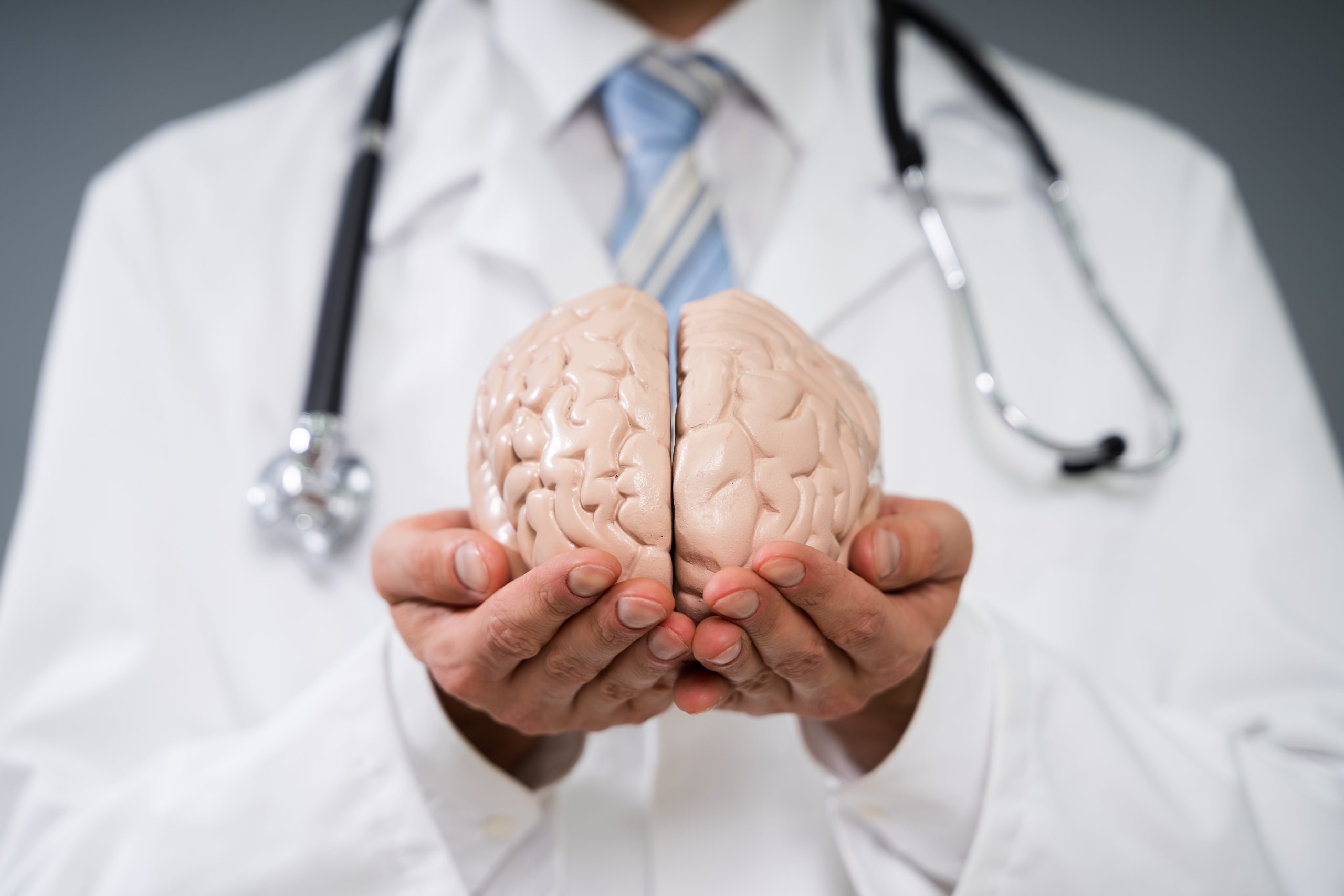

Brains are getting bigger, but our collective memory is fading—why does a species with larger brains face more dementia than ever before?
Quick Take
- Recent studies confirm average human brain size has increased across generations, suggesting improved early-life conditions.
- Larger brains theoretically offer more “brain reserve,” believed to delay or reduce dementia symptoms.
- Dementia rates are still rising worldwide, primarily due to aging populations and longer life expectancy.
- The paradox highlights the complex interplay of genetics, environment, education, and lifestyle in brain health and disease risk.
Bigger Brains, Better Beginnings—but at What Cost?
Between 1930 and 1970, children in the U.S. and Europe experienced better nutrition, healthcare, and education than their parents. Decades later, MRI scans from the Framingham Heart Study reveal a striking trend: people born in later decades have measurably larger brains. This phenomenon, described in a 2024 JAMA Neurology report, is attributed to improved early-life environments, which foster more robust brain development and, in theory, increase resilience to neurodegenerative diseases like Alzheimer’s. Yet, this apparent biological triumph raises a disturbing question—why, in an age of bigger, better brains, are dementia diagnoses still soaring?
Global dementia prevalence is expected to triple by 2050. While age-specific incidence of dementia has declined in some high-income countries, the ballooning population of older adults means more people than ever are at risk. This disconnect between individual-level gains in brain reserve and population-level increases in dementia makes the story of the modern brain a paradox. The answer, experts suggest, lies not just in biology but in the shifting sands of society itself.
The Brain Reserve Hypothesis—Promise and Limitations
Researchers, including Dr. Charles DeCarli at UC Davis, have long championed the “brain reserve” hypothesis: the bigger the brain, the more neurons and connections available to buffer against disease. Larger premorbid brain size has been linked to a delayed onset of dementia symptoms, even if underlying pathology is present. However, the hypothesis is not a cure-all. Cognitive reserve—shaped by education, mental engagement, and social factors—plays an equally vital role. Together, these reserves determine not just if, but when, dementia symptoms manifest, suggesting a delicate interplay between structure and experience.
Societal improvements from the mid-20th century—better prenatal care, vaccination, and early education—are credited with boosting average brain size, but those gains are unevenly distributed. The Framingham data, while robust, primarily reflect affluent, predominantly White populations. Public health experts caution that findings may not generalize to more diverse or disadvantaged groups, where both brain development and dementia risk may look very different.
Why Dementia Still Rises—The Weight of Demographics
The most straightforward explanation for rising dementia rates is simple arithmetic. As life expectancy climbs, so does the number of people living into their 70s, 80s, and beyond—the ages most associated with neurodegenerative disease. The protective effect of larger brains, while real, is outpaced by the demographic tidal wave of aging. Even as age-specific risk falls in some regions, absolute case numbers surge worldwide, straining families, healthcare systems, and economies.
Population-level statistics obscure significant disparities. In many low- and middle-income countries, gains in brain reserve are less pronounced, and risk factors like high blood pressure, diabetes, and low education remain common. The Alzheimer’s Association warns against overinterpreting the “bigger brain” findings, noting the urgent need for research in underrepresented populations. The hope is that understanding what builds brain and cognitive reserve can inform targeted interventions—early childhood nutrition, lifelong learning, and cardiovascular health programs—that slow the rising tide of dementia everywhere.
Expert Perspectives—A Puzzle with Moving Pieces
Dr. DeCarli and his peers argue that brain reserve is a promising, if incomplete, defense against dementia. Ozama Ismail, PhD, from the Alzheimer’s Association, highlights the importance of social determinants and the limitations of current data. Academic commentary stresses that while larger brains and greater cognitive reserve delay symptoms, they do not halt the underlying disease process. The most effective buffer may be an ongoing investment in both brain structure and function, from cradle to grave.
Debate persists over the relative importance of genetic factors, early-life conditions, and adult lifestyle. Some experts point to education and socioeconomic status as key levers, others to midlife heart health. What is clear: The causes of dementia are many, and the solutions will require coordinated action across medicine, policy, and society. The challenge is not just to build bigger brains, but to sustain them as we live longer lives.